Crayfish Farming Site Construction Methods and Technical Key Points
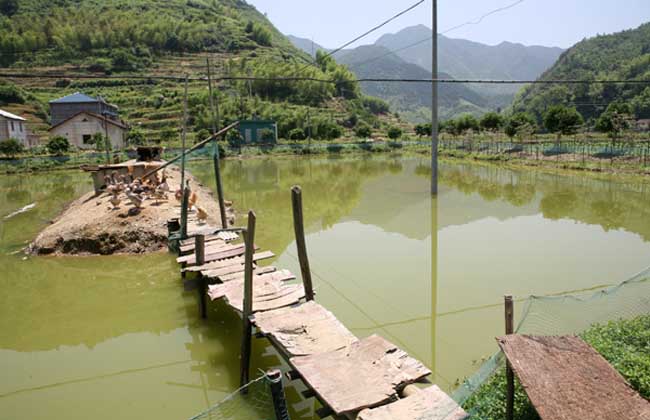
Crayfish have very strong adaptability. Based on survey findings, they can survive in lakes, rivers, ponds, canals and paddy fields alike, and can even survive in water bodies where some fish species struggle to live. They have a strong tendency to follow water currents, prefer fresh and flowing water, swim upstream against the current, and like to live in groups, often gathering in clusters around the water inlet in farming ponds. Let us now take a look at crayfish farming site construction!
Farming Environment
A crayfish farming site should be chosen in a well-ventilated, sunny location with a quiet environment, abundant and pollution-free water sources, rich bait sources, convenient drainage and irrigation, and convenient transportation and power supply. Water from rivers, lakes, reservoirs and ponds can be used as water sources, and well water and spring water can also be used. The pH of the water should be around 6 to 8.
Pond Environment
Crayfish farming ponds can be large or small, with a water depth of 0.6 to 1.5 m. It is best for the pond to run east-west and face the sun. The inside of the pond should have a slight slope around the perimeter, and the pond bottom should be flat, sloping slightly toward the drainage outlet side to make it easier to drain the pond completely. The perimeter of the pond must have earthen embankments, mainly so that crayfish can burrow and rest, allowing them to survive the winter safely. The pond ridge should rise 40 to 50 cm above the water surface, and the ridge width should reach 1 m, mainly to prevent crayfish from burrowing through and causing water seepage. If the pond area exceeds 10 mu, 1 to 2 additional ridges can be built inside the pond, arranged evenly in field, well or cross shapes, mainly to let crayfish burrow and rest and to spawn and reproduce. Crayfish like to move at night and crawl along the ground, so a 50 cm high escape-prevention wall should be built around the outer perimeter of the pond ridge using asbestos tiles, plastic film and the like, with wooden stakes as supports, with the bottom buried about 30 cm into the soil and sealed tightly to ensure no crayfish can escape.
Pond Disinfection
The commonly used disinfection method for crayfish farming ponds is quicklime disinfection. During disinfection, only 5 to 10 cm of water is left in the pond. Quicklime is mixed into a slurry and evenly sprinkled into the pond water to dissolve. The usual amount of quicklime is 25 to 40 kg per mu. On the second day after applying quicklime, use an iron rake to stir the pond bottom so that the lime slurry and mud mix thoroughly. Do not drain the water after disinfection; keep it in the pond. Start adding water the next day until the water level meets the rearing requirements. At the same time, crayfish molt during growth and must take in sufficient calcium. Quicklime has a calcium content of more than 50% (theoretical value 71.4%), and it is cheap and effective to use.
Water Quality Fertilization
After the crayfish farming pond reaches the water level required for rearing, apply organic fertilizer (fermented animal manure such as pig, cattle and chicken manure). If the water depth is between 60 and 120 cm, apply 250 to 350 kg of fertilizer per mu. After three days, if the pond water is not fertile enough, splash fermented farmyard manure several times in small amounts to gradually convert the pond water to an appropriate fertility, keeping the water transparency at 25 to 35 cm, preferably clear green. Plankton will gradually appear in the pond, and brood crayfish can be introduced five days after disinfection.