What are the biological characteristics of crayfish? This article takes you through them
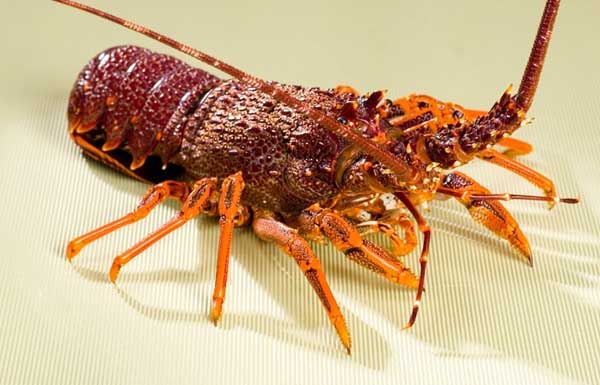
Crayfish, also known as large shrimp, dragon-head shrimp, and others, has the scientific name Procambarus clarkii, also called the red swamp crayfish, and is commonly known among the public as the king of shrimp. Its head and thorax are relatively large, its shell is hard, and its colors are varied. Its body length is generally between 15 and 20 cm, and its weight can reach more than 200 grams. It closely resembles a marine lobster, and is mainly produced in Australia, hence it is called the Australian freshwater lobster.
Crayfish are omnivorous animals, with a particular preference for animal-based feed, and crayfish are naturally greedy with a large food intake, so attention must be paid to the feeding method. For adult crayfish farming, ground rice bran, soybean cake, wheat bran, miscellaneous fish, snail and mussel meat, silkworm pupae, earthworms, slaughterhouse offal or compound feed can be fed directly, keeping the feed protein content at around 25%, with a daily feeding amount of 4-10% of the shrimp body weight, adjusted according to season, weather, water quality, and the physiological condition of the shrimp. A water temperature of 10-30°C is suitable, and this is the period of vigorous growth for the shrimp. Generally, feed twice a day, at 9-10 a.m. or around sunset or at night, with a daily feeding amount of 5-8% of the shrimp body weight, or supplement with one feeding the next morning depending on the feeding situation. When feeding, note that more should be fed in clear and fine weather, less should be fed during high-temperature, muggy, continuously rainy days or when the water is too fertile, less should be fed when a large number of shrimp are molting, and more should be fed after molting.
In the process of crayfish farming, under suitable temperature and sufficient feed, juvenile shrimp can generally grow to market size in 60-90 days. Sell the large and keep the small, carry out rotational harvesting and stocking, so as to achieve the goal of high yield and high efficiency.