What kinds of feed are there for freshwater crayfish?
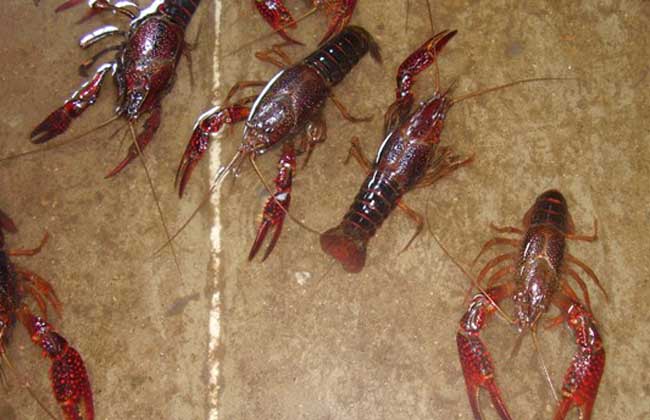
The freshwater crayfish is a typical omnivorous animal; it eats green grass and aquatic plants, and also eats grain feed and animal feed. If you use purely natural organic feed such as artificially bred aquatic organisms, small animals, and cultivated aquatic plants, it is more palatable, nutritious, fresh and tasty than purchased commercial feed. You can completely avoid buying compound feed, which can avoid excessive harmful substances such as hormones in commercial feed, ensure the commercial crayfish is green and pollution-free, and also save a large amount of feed investment every year.
Crayfish feed ratio
The feed ratio for crayfish farming is generally about 60% plant-based bait and about 40% animal-based bait. Among the plant-based bait, fruit types and grass types each account for half, about 30%. During the feeding process, according to the actual situation of large, medium, and small (juvenile shrimp), the above animal and plant feeds should be reasonably matched and appropriately adjusted.
Animal-based feed
There are many animal-based feeds that crayfish like to eat, especially dead fish, pig, beef, chicken, duck, fish intestines and other scraps with a strong fishy smell, which crayfish love most. In addition, snails, mussels, earthworms, tubifex, etc. in ditches and river branches are also relatively good live animal feeds that crayfish like to eat. Of course, animal-based bait also includes dried small miscellaneous fish, fish meal, shrimp meal, snail meal, silkworm pupa meal, pig blood, pig liver and lungs, etc.
Plant-based bait
Plant-based bait includes phytoplankton, tender parts of aquatic plants, duckweed, grains, soybean cake, rice bran, soybean powder, wheat bran, rapeseed cake, plant oils and fats, beer lees, etc. Among plant-based bait, beans are a high-quality plant protein source, especially soybeans, whose crude protein content reaches as high as 38%-48% of dry matter, and the digestible protein content in soybean cake can also reach about 40%. As a high-quality plant protein source for shrimp, it is not only because soybeans have high protein content and a wide range of sources, but more importantly because their amino acid composition is relatively close to the amino acid composition of the shrimp body. Because soybean meal contains trypsin inhibitor, it needs to be destroyed by organic solvents and physical methods. For cultivating shrimp larvae, soybean milk made from soybeans is an extremely important bait, and when used together with unicellular algae, yeast, plankton, etc., it becomes a good comprehensive initial protein source.
Artificial compound feed
Artificial compound feed is feed made by determining a relatively suitable formula for animal-based bait and plant-based bait according to the nutritional needs of freshwater crayfish, then mixing and processing them according to the formula. Some minerals, vitamins, and disease-preventing drugs can also be appropriately added as needed, and pellets of different sizes can be made according to the different developmental stages and individual sizes of freshwater crayfish. In the feed processing technology, it must be noted that the freshwater crayfish has a chewing-type mouthpart, unlike the swallowing-type mouthpart of fish, so the compound feed must have a certain viscosity and be made into strips or flakes to facilitate feeding by the freshwater crayfish. Artificial compound feed formula for freshwater crayfish: the protein content of juvenile shrimp feed is required to reach more than 30%, and the protein content of adult shrimp feed is required to reach more than 20%.
1. Juvenile shrimp feed: The crude protein content of juvenile shrimp feed is 37.4%. The proportions of various raw materials are Peruvian fish meal 20%, fermented blood meal 13%, soybean cake 22%, cottonseed meal 15%, wheat middlings 11%, corn meal 9.6%, bone meal 3%, yeast powder 2%, multivitamin premix 1.3%, molting hormone 0.1%, starch 3%, plus an aquatic feed binder accounting for 0.6% of the total to increase the feed's water resistance time.
2. Adult shrimp feed: The crude protein content of adult shrimp feed is 30.1%. The proportions of various raw materials are Peruvian fish meal 5%, fermented blood meal 10%, soybean cake 30%, cottonseed meal 10%, wheat middlings 25%, corn meal 10%, bone meal 5%, yeast powder 2%, multivitamin premix 1.3%, molting hormone 0.1%, starch 1.6%. Among them, soybean cake, cottonseed meal, wheat middlings, corn, etc. are crushed again before premixing, and after granulation they are dried for more than 2 days to prevent the feed from deteriorating, plus an aquatic feed binder accounting for 0.6% of the total to increase the feed's water resistance time.