What are the characteristics of the living habits of crayfish
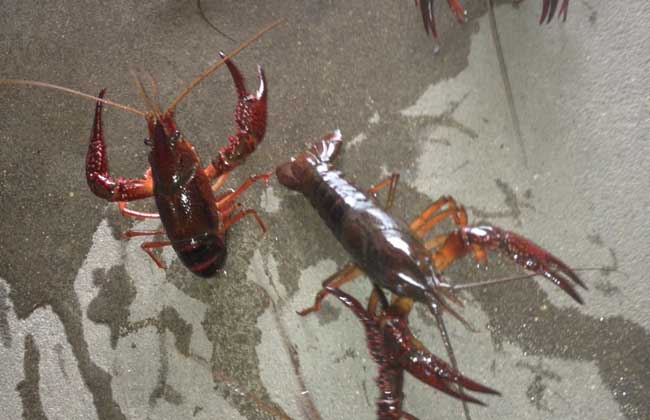
Crayfish are not demanding regarding their aquatic environment. They can survive in water with a pH of 5.8-8.2, a temperature of -15°C to 40°C, and a dissolved oxygen content of no less than 1.5 mg/L, and they can overwinter naturally in most parts of our country. The water conditions most suitable for crayfish growth are a pH of 7.5-8.2, a dissolved oxygen content of 3 mg/L, and a water temperature of 20-30°C.
Crayfish prefer warmth and avoid light, and show an obvious phenomenon of vertical diurnal movement. When the light is intense, they sink into the water body or hide in burrows; when the light is weak or dark, they begin to be active. They usually cling to aquatic plants or suspended matter in the water body and lie on their sides at the water surface, and they have the habit of digging burrows, with the burrows they dig being 50-80 cm deep.
Crayfish are omnivorous animals. Various tender aquatic plants, benthic animals in the water body, mollusks, large zooplankton, fish and shrimp carcasses, and the carcasses of their own kind are all foods they like to eat, and they also very much like to eat artificially supplied feed.
After the larvae molt for the first time, they begin to feed on phytoplankton and small cladoceran larvae, rotifers, and so on. Crayfish are rather greedy feeders. When food is insufficient, they will cannibalize one another, with the large eating the small, and soft-shelled crayfish that are molting or have just molted are the most easily eaten by their own kind.