Can You Eat Hermit Crabs? A Guide to Their Food Safety
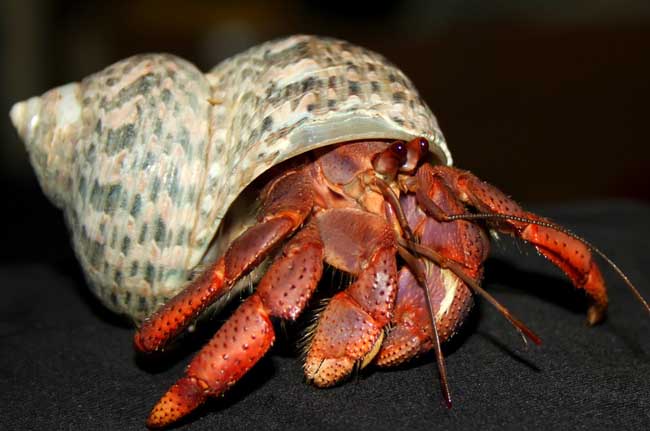
Can you eat hermit crabs? Actually, hermit crabs can be eaten, but they do not taste very good, so it is best not to eat them. After being cooked, hermit crabs often give off a very strong rotten smell. In our local area, hermit crabs and sea snails are sometimes mistakenly used together to make soup, which often gives the broth a faint rotten smell; the more hermit crabs there are, the stronger the rotten smell becomes.
Nutritional Value of Hermit Crabs
Hermit crabs are rich in protein, trace elements and other nutrients, and have a good nourishing effect on the body. Research has found that hermit crabs also have an anti-tuberculosis effect, and eating hermit crabs is greatly beneficial to recovery from tuberculosis. It is generally believed that freshwater crabs are better for medicinal use, while seawater crabs can only be eaten as food. Traditional Chinese medicine holds that crabs have the effects of clearing heat and detoxifying, replenishing bone and marrow, nourishing tendons and invigorating blood, dredging meridians, benefiting the limbs and joints, healing severe injuries, nourishing liver yin, and replenishing gastric fluids. They have a certain dietary therapeutic effect on conditions such as blood stasis, injuries, jaundice, soreness and pain in the waist and legs, and rheumatoid arthritis.
Hermit crab meat is cold in nature and salty in taste. It has the effects of relaxing tendons and boosting qi, regulating the stomach and promoting digestion, dredging meridians, dispersing various heat, clearing heat, and nourishing yin, and can treat bruises, tendon injuries and fractures, and allergic dermatitis. In addition, hermit crabs have relatively good therapeutic effects on high blood pressure, arteriosclerosis, cerebral thrombosis, high blood lipids, and various cancers. Hermit crabs are high in cholesterol and purines, so people with gout should exercise self-restraint when eating them, and people suffering from colds, hepatitis, or cardiovascular diseases should not eat crabs. China has a tradition of eating crabs around the Mid-Autumn Festival. Because traditional Chinese medicine considers crabs cold in nature, ginger paste, perilla and other seasonings are often prepared for eating crabs.
Precautions for Eating Hermit Crabs
1. Do not eat dead crabs
Parasitic bacteria in dead crabs will multiply and spread into the crab meat, causing protein to break down and produce histamine. The longer a crab has been dead, the more histamine accumulates in its body and the greater the toxicity. Even if a dead crab is cooked thoroughly, the toxin is still not easily destroyed, and eating it will cause nausea and vomiting, flushing of the cheeks, and a rapid heartbeat.
2. Do not eat overnight crabs
Hermit crabs are a food relatively rich in histidine. Under the action of certain vitamins, the histidine in leftover overnight crabs will break down into histamine. Reheating can kill pathogenic microorganisms, but it cannot destroy the toxin, thus causing histamine poisoning. Therefore, crabs are best steamed and eaten fresh, generally not kept for more than 4 hours.
3. Do not eat raw crabs or wine-soaked crabs
Hermit crabs contain various pathogenic microorganisms in their bodies. In particular, the larvae and eggs of lung flukes in their bodies have a very high infection rate and strong resistance, and soaking them in yellow rice wine or baijiu alone cannot kill them. Eating raw crabs or wine-soaked crabs can very easily cause paragonimiasis, leading to coughing and coughing up blood. If the virus enters the brain, it can also cause paralysis.
4. Do not eat the four "parts"
The body surface, gills, and gastrointestinal tract of hermit crabs are filled with bacteria, viruses and other pathogenic microorganisms. Therefore, when eating them, the crab gills, crab intestines, crab heart (commonly known as the hexagonal plate), and crab stomach (that is, the small triangular bony sac containing sand) must all be removed.
5. Do not eat them together with tea, persimmons, peanuts, or cold drinks
The reason is that tea dilutes gastric juice, and tea and persimmons contain relatively large amounts of tannic acid, which causes the protein in crab meat to coagulate, making it difficult to digest. The coagulated substance can remain in the intestinal tract for a long time, and after fermentation and spoilage, it can cause abdominal pain, vomiting, and diarrhea. However, as long as you do not eat too much, there is generally no problem for those with a healthy digestive system. Peanut kernels have a fat content as high as 40%, and eating greasy foods together with cold-natured crabs can easily lead to diarrhea. Cold water, ice cream and other cold foods reduce gastrointestinal function, and eating them together with crabs can very easily cause diarrhea. Likewise, tomatoes should not be eaten together with crabs, as both are cold-natured foods, and eating them together can easily cause diarrhea.
How to Store Hermit Crabs
1. Store hermit crabs in a refrigerator. If the number of hermit crabs purchased is not large and they can be eaten within about three days, storage is relatively simple. Choose hermit crabs with strong vitality, tie up their legs to reduce their physical exertion, then place them in the refrigerator's cold storage compartment, keep the temperature at 5°C-10°C, and cover them with a wet towel. Each day when eating, first pick out the ones with weak vitality to eat, and the hermit crabs with strong vitality can continue to be stored.
2. Choose hermit crabs with strong vitality, prepare a plastic bucket or basin 30-50 cm high, put the crabs in it without stacking them; then add water to half the height of the hermit crabs' bodies, mainly to keep them moist. Do not bury the hermit crabs completely, because it is unlikely that you have oxygenation equipment, and if the water is too deep, the hermit crabs will suffocate and die from lack of oxygen. The bucket or basin does not need a lid. Check the hermit crabs every day, and promptly eat the ones with weak vitality. Using this method to store Yangcheng Lake crabs, when the temperature is not high, the hermit crabs can be kept for more than 5 days.
3. If you have purchased a large number of hermit crabs and cannot finish them in three to five days, the best storage method is to use your bathtub as a temporary holding pool. First let it out for the hermit crabs to enjoy, because the walls of a bathtub are smooth and the crabs cannot escape. Gently pour the crabs into the bathtub, add water until it just covers the hermit crabs, so that when the hermit crabs stand up on their eight legs they can breathe at the water surface, and according to the storage time and quantity, put in a small amount of small fish and shrimp. Using this method to store Yangcheng Lake crabs can generally keep them for more than 7 days or longer, and for good-quality crabs the survival rate during storage can reach more than 95%. In addition, check the hermit crabs every day, and promptly eat the ones with weak vitality.