What are the causes of river crab deaths in autumn?
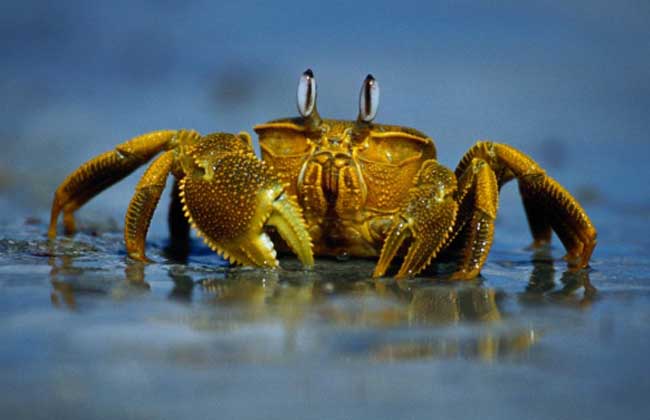
Autumn is a very important stage in the whole year's river crab farming production. This stage is not only the season when river crabs mature and are harvested, but also a period when river crabs are extremely prone to death. If farmers relax even slightly at this stage and fail to pay attention to strengthening management, it often leads to mass deaths of river crabs, bringing unnecessary losses to farming production and making the whole year's farming production fall short at the final hurdle, with all previous efforts wasted. Therefore, how to strengthen autumn farming management of river crabs and prevent accidental deaths is a key to ensuring the annual economic benefits of river crab farming. The main three factors causing autumn deaths of river crabs are as follows:
Large day-night temperature differences cause river crabs to catch a “cold”, leading to death
Because day-night temperature differences become large after the beginning of autumn, water body temperature differences also change greatly. Especially in autumn, there is a lot of rainy weather, and after rain the water temperature difference can sometimes even reach about 9—10℃. Some river crabs with poor constitutions often find it very difficult to adapt to such relatively large temperature difference changes, and are extremely prone to catching a “cold”, which then causes poor appetite and death from breathing difficulty. For this phenomenon, attention should be paid in daily production to regulating water level in a timely manner, controlling drastic changes in water temperature, and appropriately deepening the water level when the weather changes greatly. In addition, leaving more floating plants on the water surface, such as water hyacinth and alligator weed, can also help to a certain extent with heat preservation and temperature control.
Deaths caused by improper bait feeding
After the beginning of autumn, day-night temperature differences are large, and changes in air pressure and water temperature increase accordingly, so the appetite of river crabs also changes accordingly. Overfeeding plant-based feed easily causes indigestion and death, resulting in the so-called “death by bloating” phenomenon. At this time, feeding should be increased with small fish, river snails and other baits with relatively high protein content that are easy to digest, supplemented with a small amount of plant-based feed, which is not only beneficial to the digestion and absorption of river crabs but also helpful for fattening them; at the same time, take care not to feed unclean bait, so as to avoid causing gastrointestinal diseases in river crabs.
Harvest in a timely manner to prevent and reduce natural deaths
During the growth and development of river crabs, as they molt again and again, their volume becomes larger and their body weight increases. Entering autumn, from September to November, especially around “Frost's Descent” (October to November), there will be a batch of two-year-old river crabs whose gonads mature, molting from “yellow crabs” into “green crabs”. Because the internal osmotic pressure of river crabs with mature gonads rises, it stimulates adult crabs to migrate downstream to shallow seas to reproduce. This is what the saying goes, “When the west wind rises, the crab's feet itch.” If they are not harvested and brought to market in time at this time and continue to be kept in a freshwater environment, it is extremely easy to cause river crabs to escape and to be unable to adapt to the low osmotic pressure of freshwater, leading to physiological disorder and death. Nowadays, some farmers, one-sidedly pursuing benefits, often store river crabs that have already matured and reached market size, waiting to sell them when market volume is low and prices are high. At this time, even more attention should be paid to timely sorting, catching and selling sexually mature “green crabs”, so as to avoid unnecessary economic losses caused by natural deaths.