Effective methods to prevent escape of river crabs in lake aquaculture
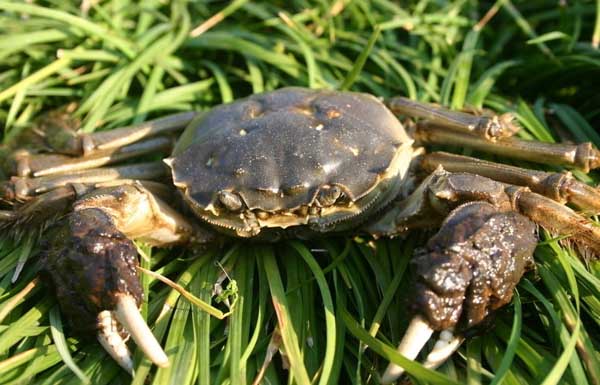
In large open lakes, it is impossible to set up escape-prevention facilities for river crabs, and their escape causes considerable economic losses. River crab escapes have certain causes; if these are correctly understood and appropriate measures are taken at the same time, losses can be greatly reduced.
Harvest in time to prevent escape due to physiological maturity
River crabs have the habit of living and growing in fresh water and migrating to estuaries connected to the sea or shallow seas to reproduce. Every autumn when the west wind blows, sexually mature river crabs leave the fresh water where they normally live and move to brackish water to mate, then enter the sea to spawn. Even in large open waters where sea-entry conditions do not exist, river crabs will still blindly climb ashore and flee because of the need for "physiological maturity." Therefore, harvesting must be done in a timely manner.
Provide sufficient bait to prevent escape due to insufficient bait
River crabs are omnivorous, but they like animal-based bait best and also eat plant-based bait such as aquatic plants. If too many seedlings are stocked in the water body and natural bait cannot meet demand, river crabs will escape in search of food. Therefore, when stocking seedlings, the bait resources in the water area must be analyzed to achieve a reasonable stocking density.
Provide a good environment to prevent escape due to a poor environment
Generally speaking, river crabs have strong adaptability to the water environment, but escape can also occur when conditions exceed their tolerance range. First, water pollution, low dissolved oxygen, and high concentrations of harmful substances force river crabs to move out; second, there is no aquatic vegetation or too little of it. As the fishing proverb says, "The size of the crab depends on the aquatic plants." Aquatic plants are important to river crabs in three ways:
1. Directly serving as bait.
2. Indirectly providing bait: where aquatic plants are abundant, there are many small fish, shrimp, and benthic animals, which are easy for crabs to prey on.
3. Providing crabs with a good living environment for shelter, rich dissolved oxygen, and cooling during hot weather.
4. Escape-prevention measures
① When stocking seedlings, first place them in net cages or net enclosures for temporary rearing for several days so they adapt to the new water environment, then open the cages and remove the nets to let the crabs enter the lake and move freely.
② If there are no aquatic plants or very few, artificially transplant tape grass, alligator weed, and so on, and also use rice straw, branches, and leaves to make artificial "crab nests" for crabs to hide in.
Set up light sources to prevent escape induced by lighting
River crabs have extremely strong phototaxis, to the point that they may even crawl toward lights regardless of the danger of being caught. Therefore, in large open waters, it is common for river crabs to escape toward surrounding villages, towns, factories, mines, and farmhouses. Setting up several strong lights about 1 m above the water surface in the center of the water area can offset the attraction of outside lights. If the light intensity is strong, it can not only prevent escape but also lure crabs that have climbed ashore back.