Key Technical Points and Precautions for Mud Crab Polyculture Explained
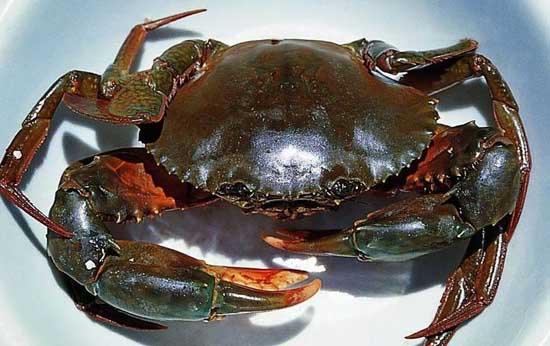
In recent years, mud crab monoculture has become rare. Especially in intertidal zone enclosure culture, polyculture of multiple species is practiced, and the polyculture combinations are relatively complex. The basic principle is that by appropriately polyculturing other economically valuable species, the substrate can be purified, a suitable biological structure within the pond can be formed and maintained, and an ecological environment can be created that is suitable for the mud crab and the polycultured species to live and grow together. Currently, there are more than 10 polyculture species including fish, shrimp, shellfish, and algae.
Mud Crab Polyculture Techniques
1. Shrimp. Species such as Chinese white shrimp (Penaeus chinensis), long-haired prawn (Penaeus penicillatus), black tiger shrimp (Penaeus monodon), kuruma prawn (Penaeus japonicus), greasyback shrimp (Metapenaeus ensis), and the naturally reproducing ridgetail white prawn (Exopalaemon carinicauda) in the pond. Shrimp fry should be stocked at a size of over 3 cm after temporary rearing. The stocking density is generally around 1000-2000 individuals per mu. Growth rate is faster than in shrimp ponds in the supratidal zone. When water temperature is suitable, harvesting can begin 1 month after stocking.
2. Fish. The main species include: mullet, Liza fish, black sea bream (Acanthopagrus schlegelii), mudskipper, etc. The organic matter accumulated in the pond serves as excellent feed for these fish. The general stocking density ranges from 20-500 individuals per mu.
3. Shellfish. Mainly benthic shellfish are polycultured, such as razor clam (Sinonovacula constricta), mud cockle (Tegillarca granosa), blood cockle (Scapharca subcrenata), Philippine clam (Ruditapes philippinarum), and Chinese venus clam (Cyclina sinensis). Taking razor clam polyculture as an example, the stocking tidal flat area should preferably be kept below 20% of the pond area. The shellfish rearing flat surface should be rotated and rested annually. Select a flat central tidal surface, deep plow and level it before stocking. The suitable stocking rate is 30-50 kg per mu of flat surface.
4. Algae. In Taiwan, China, polyculture of mud crab with Gracilaria (called "dragon whisker vegetable" in Taiwan, China) is relatively common. Polyculturing an appropriate amount of algae can absorb and consume large amounts of dissolved organic matter in the water, and can increase dissolved oxygen in the water, which is more conducive to the growth of mud crabs and other economically valuable animals in the pond.
Polyculture Precautions
1. Polyculture density should not be too high, and the number of species should not be too many. Mud crab should be the primary culture species, and daily management methods should also follow those for mud crab culture. If other polycultured species are too diverse and the density is too high, the secondary species will overshadow the primary species and affect mud crab growth.
2. When selecting polyculture species, consideration should be given to pond conditions, especially whether the pond bottom substrate type is suitable for the habitat of the cultured species. Species requiring cross-year culture are not advisable, especially fish species, which generally cannot overwinter in enclosure ponds. The mortality from relocation would be very high. The only option is to increase the stocking size, and those that can be harvested before the arrival of low temperatures meet the conditions for polyculture.