Crab Farming Methods and Management Tips for Hot Weather
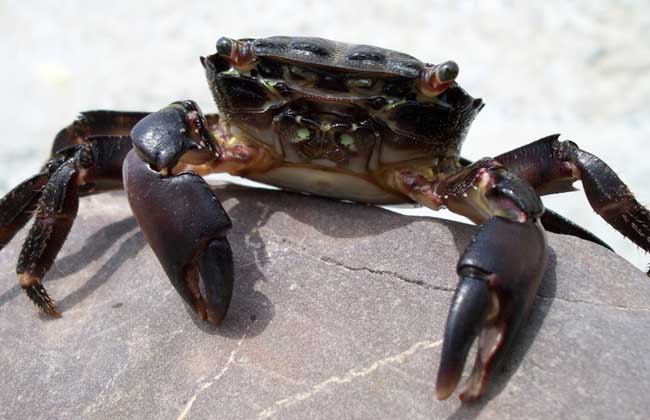
In the hot summer season, when the weather is scorching and water temperatures are high, river crab farming and management should focus on four key points: having an adequate amount of aquatic plants, ensuring clean water quality, paying attention to bait quality, and preventing escape, pests, and disease. The details are as follows.
Have an adequate amount of aquatic plants
In summer, some aquatic plants such as water peanut and duckweed should be stocked in the crab pond, or some emergent plants such as reeds and wild rice stem should be planted, to provide a cool habitat for river crabs. The area of the crab pond set aside for or planted with aquatic plants generally accounts for about 30% of the entire pond area; if there is too much, it should be harvested promptly, and if too little, it should be replenished promptly. At the same time, rotten aquatic plants should be removed promptly to avoid deteriorating water quality and breeding pathogens.
Ensure clean water quality
In crab ponds, water quality should be checked frequently, new water should be changed frequently, and leftover food and debris should be removed promptly to keep the pond water clean. The water depth must always be kept above 1 m to prevent hot water from scalding the crabs' bodies. Water changes are generally carried out from evening to 10 a.m. the next day, once every 3-5 days, with each water change about 5 cm deep. The water source must be clean and pollution-free. During the molting period of river crabs, the calcium ion content of the water should be increased; generally, 5-10 kg of quicklime per mu of water surface is dissolved in water and splashed over the entire pond, once every 15-20 days, to promote healthy growth of the river crabs.
Pay attention to bait quality
River crabs are omnivorous animals; they eat both meat and plants and prefer animal-based feed, such as mussels, snails, and small trash fish and shrimp. Generally, from May to August each year, it is advisable to put live snails into the crab pond, about 200 kg per mu, for the river crabs to eat. In addition, during hot periods, the proportion of plant-based bait put in should be appropriately increased, such as putting in some duckweed and aquatic plants that river crabs like to eat. For pond crab farming, bait is generally put in once a day, in the evening, to suit the river crabs' habit of hiding by day and coming out at night. When putting in bait, the feed should be placed 1-2 m from the shore; the amount of bait should be increased or decreased accordingly based on the water temperature that day, the weather, and the river crabs' feeding situation after the previous day's baiting, and it is best if it is eaten up that evening.
Prevent escape, pests, and disease
During hot periods, the crab pond must be inspected every day. Through pond inspection, understand the river crabs' feeding and activity situation, check the escape prevention facilities, and see whether there are diseases and predators. If there are signs of river crabs escaping, promptly plug the holes in the embankment and replace damaged escape prevention facilities and net covers at the water inlet and outlet. In strong wind and heavy rain weather, even more attention should be paid to preventing escape. Pay attention to preventing predator invasion, and promptly capture and kill predators such as water rats in the crab pond. Artificially farmed river crabs have more diseases; quicklime, chlorine dioxide, xianchongjing, and other drugs may be applied irregularly to prevent and treat bacterial diseases and ciliate diseases of river crabs.