Key technical points for preventing molt failure syndrome in river crabs
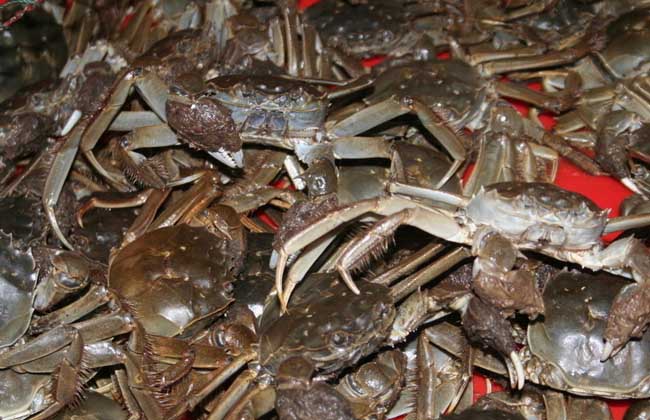
There are roughly three reasons for failure to molt: first, the crab is injured or diseased and cannot molt smoothly; second, inadequate nutrition, with a long-term deficiency of essential elements such as calcium and iron, leads to poor shell growth and difficulty molting; third, the lack of a suitable molting environment, such as hypoxia, poor water quality, and the absence of the shallow-water areas (molting zones) and quiet, sheltered places needed for molting. River crabs that contract disease often die from failed molting, so disease prevention and treatment must be attended to at every stage of river crab farming.
Feed scientifically and supplement nutrition; feeding is key in river crab farming
The farming process is basically divided into three stages: early, middle, and late. In the early and late stages, fine feed is mainly used, while in the middle stage, coarse and fine feeds are combined. In terms of feeding quantity, the early-stage proportion is large, the middle-stage proportion is next, and the late-stage proportion is small (by body weight ratio). If feed quality is poor, a certain nutrient component will be lacking after long-term feeding, and the river crab will become diseased. For example, a lack of vitamin C leads to black gill disease and black body disease; a lack of calcium leads to soft-shell disease; and if feed is insufficient, they will kill one another. Therefore, whether the feed variety, quality, and quantity are scientific directly affects the growth and molting of river crabs.
At present, many farming households simply feed wheat bran and oilseed cakes, which is far from ideal. During molting, river crabs need large amounts of feed containing calcium, iron, and phosphorus, and a certain amount of essential amino acids should also be added to the feed. Normally, quicklime should be splashed into the pond regularly to increase the calcium ion concentration in the water while also serving a disinfecting function. During the molting period, nutrition should be strengthened so the crabs eat their fill and eat well; do not feed well one meal and poorly the next, or full one meal and hungry the next. Feeding is generally carried out at 5-6 pm.
Create a suitable molting environment and keep the water level relatively stable, with both shallow-water areas and deep-water areas
Cultivate floating plants and submerged plants in shallow water or on shallow shoals of the pond to help river crabs hide and remain free from outside disturbance. The cultivation area should preferably be 1/5-1/3 of the water surface. When routine feeding is insufficient, aquatic plants can also serve as supplementary feed; in addition, aquatic plants can improve water quality and improve the ecological environment.
Pay attention to regulating water temperature. Pond-farmed river crabs usually live in relatively small water bodies, so the pond water temperature varies greatly, especially in high-temperature seasons. Cooling work should be done well, keeping the water temperature at 19-28°C.
Strengthen pond patrols and record-keeping
Patrol the pond 3 times a day at fixed times, once in the morning, once at noon, and once in the evening, and frequently observe the feeding situation of the river crabs and check the activity of molting crabs, promptly clearing away molted crab shells and dead crabs. Measure water temperature and air temperature once each morning and afternoon, and also keep track of the average water temperature and air temperature for each month. Measure the body weight and carapace width of river crabs after molting, and keep proper records for river crab farming.