Key Technical Points for Farming Chinese Mitten Crab During High-Temperature Periods
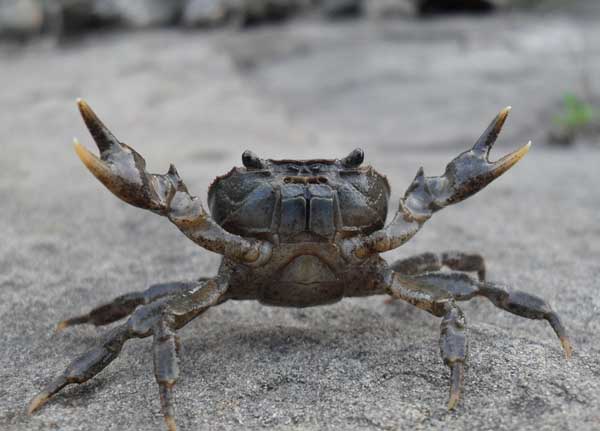
In summer, the weather is hot and the water temperature is relatively high. To ensure that river crabs safely pass through the summer and to improve the survival rate, the following measures must be taken:
Ensure an adequate supply of aquatic plants
In summer, some aquatic plants such as alligator weed, duckweed, reeds and wild rice stem should be planted in crab ponds to provide a cool habitat for the river crabs. In addition, a large amount of tender aquatic plants such as hydrilla and equisetum should be kept available in the crab pond so that the river crabs can feed and hide from predators. The aquatic plants used for shade should not cover the entire pond surface; about 1/3 of the pond surface should be left as open activity space. Thoroughly remove rotten and dirty aquatic plants to avoid deteriorating water quality and breeding pathogens.
Ensure the water quality is fresh, clean and nutritious
Crab ponds should be checked regularly for water quality, and leftover feed and debris should be promptly removed to keep the pond water transparency above 5 cm. Frequently add water and replace it with fresh water. The water source must be hygienic and clean, free of pollution and toxins. Use biological preparations to adjust and improve the water.
Pay attention to bait feeding
During high temperatures, the feeding of plant-based bait should be appropriately increased, while the feeding of animal-based bait should be reduced. Wheat, pumpkin and rapeseed cake are all plant-based feeds that river crabs like to eat. The feeding amount should be adjusted accordingly based on the day's water temperature and the river crabs' feeding situation the previous day, generally about 10% of the total body weight of the crabs in the pond, and it is advisable to have a slight amount left over two hours after feeding. Feeding should be carried out at 4-5 pm each day to suit the river crab's habit of resting by day and coming out at night.
Do a good job in preventing escape, harm and disease
During high-temperature periods, crab ponds must be patrolled every day. Through pond patrols, understand the feeding and activity conditions of the river crabs, check the condition of escape-prevention facilities and whether there are diseases and predators. If there are signs of river crabs escaping, promptly replace damaged escape-prevention facilities. Promptly capture harmful organisms such as frogs and water rats in the crab pond to eliminate their harm to the pond crabs. Disease prevention work must be done effectively, and fungicides and other drugs can be applied periodically for prevention and control. If diseased or dead crabs appear, the cause should be identified immediately and treatment should be carried out promptly.