Prevention and Control Techniques for Predators and Diseases in River Crab Farming
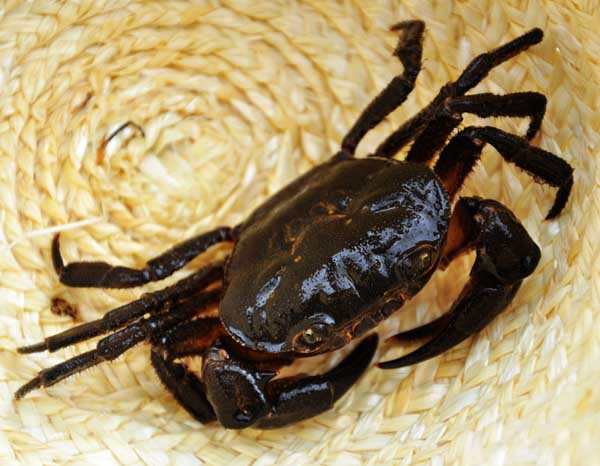
The main predators in river crab farming include water rats, frogs, birds and others, among which water rats cause the greatest harm. River crabs are active around the pond slopes at night, especially newly molted soft-shell crabs, which often move slowly for several days and are most vulnerable to attack. Control methods include poison bait and manual capture.
There are several common diseases in river crab farming. At the crab seedling and juvenile crab stages, there are infestations of Epistylis and Carchesium; in severe cases, they affect the normal activity and feeding of the larvae. At the juvenile crab and adult crab stages, there are parasitic Sacculina and red worms. The former parasitizes in the abdomen, with white dot-like worm bodies inside the crab's apron; in severe cases, the meat smells foul and is inedible. The latter parasitizes inside the body and is visible to the naked eye. In addition, there is shell dissolution disease, in which holes appear in the crab shell, and black spot disease, in which black spots appear on the crab body.
Once river crabs become sick, they are very difficult to treat, so prevention must come first, with prevention as the priority. Before stocking river crabs, the pond must be thoroughly cleared and disinfected to kill pathogens. During the rearing process, new water should be added frequently and quicklime should be splashed, which can achieve relatively good results.