The rise in wheat prices is only reasonable; take this year's market calmly
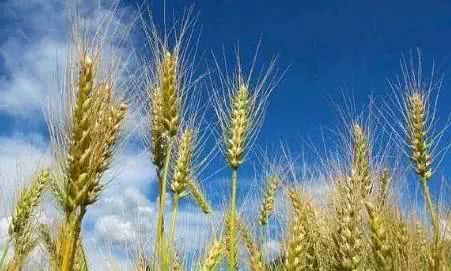
Since this year's wheat harvest up to now, the increase in wheat prices has indeed been substantial. From the perspective of increasing farmers' income, a rise in wheat prices is only natural, but we still need to look at this issue of rising wheat prices from a market perspective. To sum up, this year's wheat market supply is relatively tight, and recently wheat prices have already shown signs of halting their rise and stabilizing.
As China's main grain crop, wheat is tied to farmers' economic income. Judging from the current comparison between farmers' labor input and income, grain prices are clearly not proportional to the cost of planting. In recent years, the cost of agricultural inputs has grown higher and higher, especially chemical fertilizers, whose prices have risen by as much as 50 percent; yet looking at grain prices in recent years, the increase is clearly out of proportion to agricultural inputs. Some grain prices have even declined.
This year's rise in wheat prices is also not much related to the goal of raising farmers' income; at most it merely maintains the trend of keeping income unchanged. The driving force behind this year's wheat price rise comes largely from a shortage of high-quality grain sources on the market. Affected by winter frost damage and continuous rainy weather at harvest time, this year's wheat production cut is especially obvious, and worse still, wheat quality has also declined sharply.
Affected by the above factors, prices rose sharply after the wheat harvest. However, as a staple grain, wheat's market price really cannot keep rising indefinitely, especially since China's wheat prices are already much higher than international wheat prices. In mid-June, domestic wheat prices overall showed a stabilizing trend.
Recently, temperatures in China's main wheat-producing areas have been getting higher and higher, and with increased rainfall in some areas, it has become harder for farmers to store grain, farmers' enthusiasm for selling grain has increased somewhat, and market grain supply is relatively sufficient. This year's wheat minimum-price purchase standard is also stricter: in major wheat-producing areas such as Henan, Anhui and Jiangsu, wheat with excessive vomitoxin content will be directly rejected. The above reasons have also directly blocked any further rise in wheat prices.
However, fellow farmers need not worry too much; wheat still has room to rise this year, since high-quality grain sources on the market this year are relatively scarce, and demand from flour processing enterprises is strong. Next, September and October will bring the Mid-Autumn Festival and National Day holidays, and flour processing enterprises will be more active in purchasing wheat, so perhaps August will bring another market turnaround for wheat.