How to Prevent and Treat Cytomegalovirus Infection in Guinea Pigs
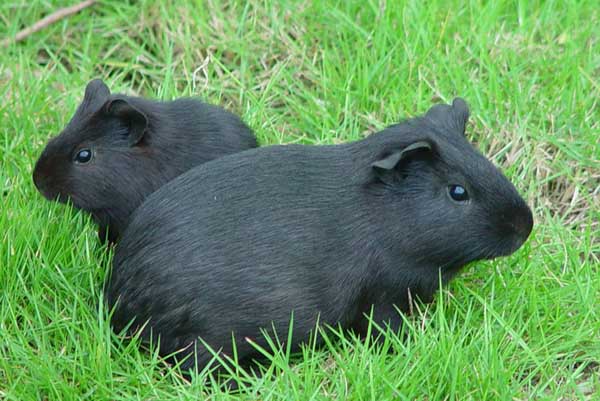
Guinea pig cytomegalovirus mostly causes inapparent infection in guinea pigs, and its infection characteristics and pathogenic mechanism are very similar to human cytomegalovirus infection, so it is often used as an animal model for the study of human cytomegalovirus infection.
Pathogen
Guinea pig cytomegalovirus belongs to the family Herpesviridae, subfamily Betaherpesvirinae, and is a double-stranded DNA virus. CMV is relatively stable to ether and repeated freeze-thaw cycles. It can be stored long-term at -70°C.
Epidemiology
CMV can be transmitted through contact and blood-borne routes, and can also be transmitted vertically through the placenta. It has strict species specificity; animals such as rats and mice are not susceptible.
Clinical Symptoms
After infection, guinea pigs are mostly in an inapparent state and show no clinical symptoms. Under experimental conditions, symptoms such as rough fur and stunted growth may be seen.
Pathology
Necropsy reveals splenic congestion and enlargement, enlarged salivary glands, and retarded thymus development in affected guinea pigs. Histologically, degeneration of salivary gland duct cells and eosinophilic inclusions in the nuclei can be seen; there is extensive infiltration of monocytes and lymphocytes around the ducts. The spleen shows scattered focal hemorrhage and neutrophil infiltration. Thymic T cells are reduced.
Diagnosis and Prevention
The diagnosis of this disease should be based on histological observation of specific eosinophilic inclusions within salivary gland duct cells. Virus isolation can also be performed using guinea pig embryo cells, followed by serological testing for CMV antigen. For prevention of this disease, an attenuated CMV vaccine can be used to inoculate guinea pigs to produce immunity, and then cesarean section techniques can be used to establish a clean CMV-free guinea pig colony. Subsequently, strict feeding and management measures should be relied upon to maintain the CMV-free status of the guinea pigs. Antibiotics can also be administered, such as: chlortetracycline, oxytetracycline, sulfamethoxazole-trimethoprim, or tylosin, for 14 consecutive days of medication.