Detailed Guide to the Prevention and Treatment of Internal Parasites in Guinea Pigs
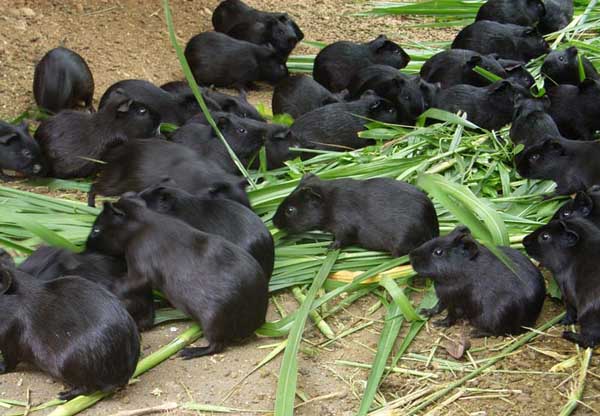
The common internal parasites of guinea pigs include 2 species: Eimeria caviae and Paraspirura uncinata. Let us take a look below at what the prevention and control measures for common internal parasites in guinea pigs are!
Eimeria caviae
This coccidium is the only Eimeria species parasitic in guinea pigs, and it readily becomes epidemic among young guinea pigs. Infected guinea pigs develop diarrhea and may even die. Necropsy reveals enteritis, intestinal hemorrhage, thickening of the cecal mucosa, patchy hemorrhagic spots, and white spots containing the parasites. Factors such as vitamin C deficiency and long-distance transport can trigger this disease.
[Treatment methods]
Diclazuril, a broad-spectrum benzeneacetonitrile anticoccidial drug, mixed at 100 g of 1/1000 diclazuril premix per 100 kg of feed; robenidine hydrochloride, mixed at 15 g of drug per 100 kg of feed. Rotate the above two drugs: after using diclazuril for 7-8 months, switch to robenidine hydrochloride for 4-5 months. The above drugs can also be used for treatment, generally at 2~3 times the preventive dose. When treating guinea pig coccidiosis, you can use 1/1000 diclazuril premix, adding 400-500 g per 100 kg of feed and mixing well, withdraw other feed and forage, and administer the drug continuously for 2-3 days; after the outbreak is brought under control, change to the normal preventive dose.
It is worth noting that if guinea pigs are fed both feed and grass, when using drugs to prevent guinea pig coccidiosis, the dosage in the feed should be increased; otherwise, coccidiosis may still occur in guinea pigs even after anticoccidial drugs are used. Among the many anticoccidial drugs, preparations of various dosage forms containing maduramicin must not be used on guinea pigs, otherwise poisoning and death will occur.
Paraspirura uncinata
It is a common helminth of guinea pigs. The worms parasitize the cecum and colon. The eggs are oval, with a thick shell and an albuminous coat. Guinea pigs become infected by ingesting infective eggs. The eggs develop into adults after about 60 days. Its life cycle is direct, with no complicated migration process within the body.
Infected guinea pigs become emaciated but show no specific symptoms. Finding and identifying the worms and eggs can confirm the diagnosis of this disease.
For the prevention of internal parasites in guinea pigs, disinfection of feed and bedding should be done well to prevent contamination of feeding utensils, feed, and bedding.
[Treatment methods] Feeding with "Animal Internal and External Deworming King" mixed into the feed can solve the problem.