What are the advantages of guinea pig farming? A full analysis of the value of specialty farming
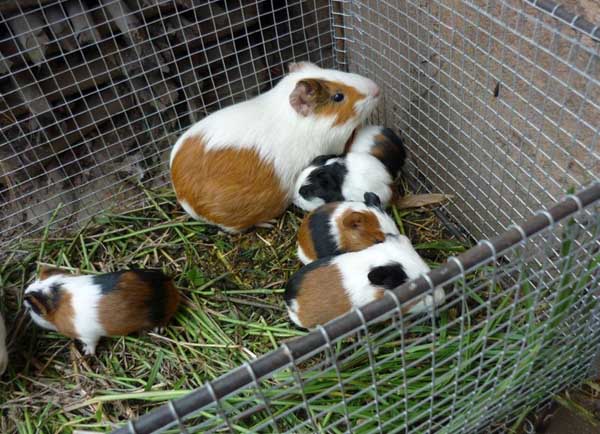
What are the advantages of guinea pig farming
1. Guinea pigs are a wild economic animal that the state permits to be farmed and whose market is open, so they can circulate smoothly in the market.
2. Guinea pig meat is delicious, on par with masked palm civet, and guinea pigs in particular are herbivores, making them a green food, with market demand constantly rising.
3. Guinea pig farming has low feeding costs and is not very technically difficult; the feeding cost is only one-sixth that of masked palm civet, and the technical difficulty is one-tenth that of masked palm civet. Farming one commercial guinea pig weighing 500-800 grams has a comprehensive cost of only about 4 yuan.
4. Guinea pig farming is technically simple, with few diseases and no plagues; even with extremely simple farming methods, the survival rate is over 90%. Unlike farming rabbits, chickens, ducks and other economic animals, where an outbreak of plague means heavy losses.
5. Guinea pig farming brings quick results and good returns: farming 10 pairs of guinea pigs can produce over 300 offspring per year, with a net profit of over 3000 yuan, and one person's management capacity can handle 400 pairs of breeding guinea pigs. The daily feed expense for 200 pairs is only the daily food intake of one sow, and the rest is all grass feed.
Explanation of some issues in guinea pig farming
1. Do not believe in guaranteed buyback for guinea pigs; the guinea pigs you raise yourself need to be sold by yourself. Why is there no guaranteed buyback? There are several reasons: the selling price of guinea pigs is not high. For example, if you are 1000 kilometers away from the breeding stock supplier, the transport, packaging, and quarantine costs for one kilogram of guinea pigs alone amount to half your farming cost. After transporting them to the breeding stock supplier, how much profit do you have left? Therefore, selling any animal in small quantities over long distances carries high costs. Those who advertise selling breeding stock with buyback never mention the transport issue at buyback time, and farmers, upon seeing buyback, think they have taken a reassurance pill. They are precisely exploiting this psychology: after farmers raise the animals and transport them to the seller of breeding stock for buyback: farming cost + packaging and transport cost + failing to meet their requirements at a low price……, and in the end it is the farmers who suffer all the losses.
2. Regarding the preparatory work and investment before guinea pig farming: first make sure there is enough green feed and build guinea pig farming pens. Guinea pig farming pens are very simple, a square pen 20 cm high, with an area of one square meter. Facility investment is very low among animal farming operations. Building a 100-square-meter pen area costs less than 2000 yuan (not including the building). The farming building only needs to keep out wind and rain in winter and keep out rain and provide ventilation in summer. No heating is needed in winter, and installing some fans in summer is enough. Plant some forage grass in advance. If there is an abundance of vegetable scraps and other green feed locally, you can start farming directly. We have promoted guinea pig farming extensively in China, and the farming has basically all been successful. Some farmers have brought very good business to their restaurants through guinea pig specialty dishes.
3. Guinea pig farming requires enough green feed, which can be scraps from various vegetables, corn leaves, sugarcane leaves, an abundance of various tree leaves (over 95% of tree leaves are food for guinea pigs), carrots, sweet potatoes, and so on. But it is recommended to plant some forage grass as a supporting measure. Generally speaking, farming 200 breeding guinea pigs together with their offspring requires planting at least 3 mu of forage grass.
4. The best time to introduce guinea pigs is in the three seasons of spring, autumn, and winter. It is not recommended to introduce them during high-temperature seasons.