What points should be noted in black guinea pig farming? These key points must be mastered
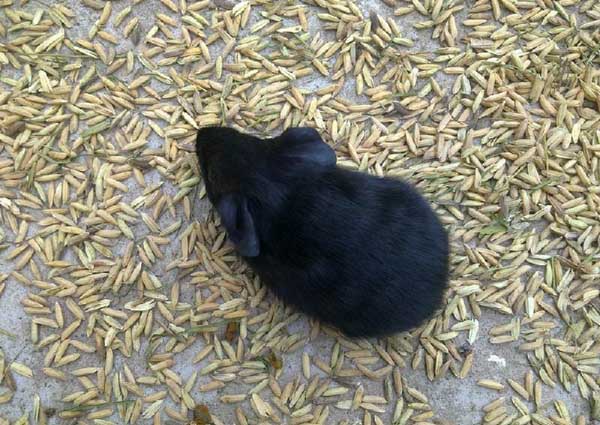
At present, black guinea pig farming is mostly focused on selling breeding guinea pigs, with a very low level of processing. Most operations use the tactic of buying back at high prices to lure farmers into introducing breeding stock. Therefore, before introducing breeding stock, farmers should first ascertain the source of the stock, buy from breeding supply farms with a certain scale and technical strength, and ask for detailed materials such as relevant archives and pedigrees.
Feeding and management are the key to raising black guinea pigs well. The rearing room should always be kept quiet and dry, warm in winter and cool in summer, with the room temperature kept at 18°C-25°C and the relative humidity at 45%-55%. Therefore, the keeper must be conscientious and responsible, pay attention to observation, and deal with problems promptly when they are found.
Under strict feeding and management conditions, artificially farmed black guinea pigs rarely become ill, but if the feed spoils, the nutrition is incomplete, or management is careless, disease can occur. Common diseases include bloat and emaciation.