What are the predisposing causes of pneumonia in guinea pigs?
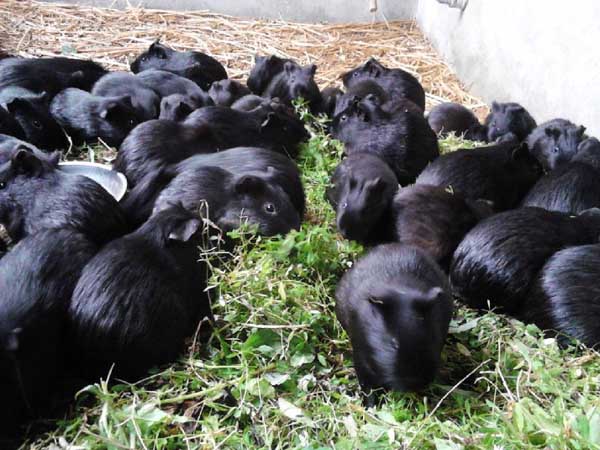
Pneumonia in guinea pigs can be caused by a variety of pathogenic bacteria, such as Streptococcus pneumoniae, Bordetella bronchiseptica, Klebsiella pneumoniae, and others. Among these, Bordetella bronchiseptica is the most harmful.
Streptococcus pneumoniae is a Gram-positive coccus, without flagella, and does not form spores. Under normal circumstances, the human upper respiratory tract often carries this bacterium, making it a potential source of infection. After guinea pigs are infected, the pathogen can reside in the upper respiratory tract, and disease is triggered when stress factors such as transport cause a decline in the body's resistance. This bacterium is transmitted through direct contact and respiratory droplets.
Bordetella bronchiseptica is Gram-negative, a short rod, without spores, and motile. It is transmitted through direct contact or contact with contaminated objects and respiratory droplets. A deficiency of vitamin C in guinea pig feed and a decline in the body's resistance can cause this bacterium to proliferate massively and lead to disease in the animals.
Klebsiella pneumoniae is a Gram-negative rod, often occurring in pairs or short chains. It is widely distributed in nature, such as in soil, water, agricultural products and forest products, and is also commonly found in the intestinal tract and respiratory tract of humans and animals. It is a typical opportunistic pathogen, often causing explosive outbreaks when the resistance of animals declines.
Pneumonia in guinea pigs generally occurs concurrently with streptococcal disease. Streptococcal pneumonia in guinea pigs is an infectious disease of guinea pigs caused by Streptococcus pneumoniae, characterized by invasion of the respiratory organs and abdominal cavity of guinea pigs.