Environmental control methods and technical key points for bamboo rat farming
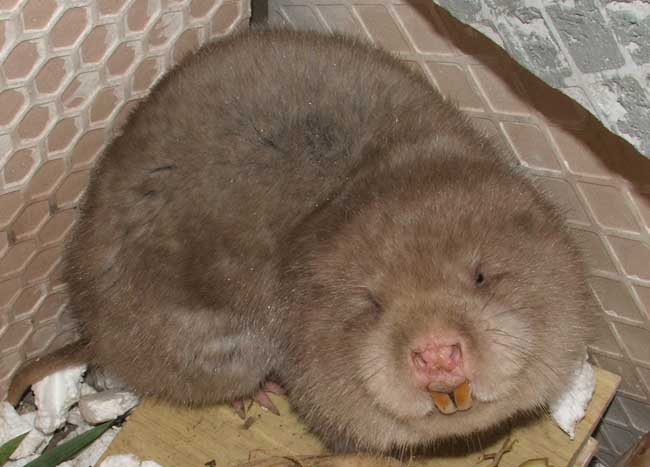
Bamboo rat farming is an emerging specialty breeding industry. Because of its large body and abundant meat, delicious taste, rich nutrition, and thick, soft fur, it has high economic and medicinal value. It has now been farmed on a large scale and has become one of the breeding industries with economic benefits. Below, the editor of Qiannong Network will introduce to you the environmental control and management principles for bamboo rat farming!
Keep it quiet and reduce stress
Timid as a mouse also applies to bamboo rats. Once disturbed, handled improperly, moved to another pool, or exposed to high-decibel noise, they will become restless, lose appetite, and even become ill and die. Bamboo rats frequently disturbed will have significantly lower weight gain and litter size than those raised in a quiet environment. Therefore, in daily management, keep movements light and steady, and avoid outside noise and sudden loud sounds. Prevent harassment by cats, dogs, and house rats, and keep the overall environment quiet. As long as bamboo rats have a comfortable living environment, they will bring you unexpected gains.
Keep it hygienic and dry
Dirty and damp bamboo rat pools, and ammonia and other harmful gases caused by feces and urine, are the main causes of disease and transmission in bamboo rats. Therefore, cleaning, hygiene, and dryness in the rat house are among the key measures for raising bamboo rats well. Be sure to clean feces promptly, replace bedding promptly, handle moisture-proofing of the rat pools, and clean and disinfect feed trays. Prevent a damp environment, especially in the rainy season, and be sure to ensure ventilation. Every few days, scatter lime or rice straw ash in the rat house to increase its dryness and prevent disease.
Raise in zones to adapt to each stage of bamboo rats and different uses
Management should be divided into zones: the breeding zone, mating zone, open-female rat zone, young rat zone, replacement breeder rat zone, and commercial rat zone. Reasonable zoning should be based on the characteristics of rats at each stage, weight gain, sex determination, and health status determination, avoiding mixed raising of different sizes and of males and females. This reduces the chance of disease transmission and injuries from fighting and biting. Create a good living and reproductive environment, and provide good pen conditions for scientific management and reasonable feeding. It also facilitates the identification and culling of sick rats, subhealthy rats, pregnant female rats, estrous rats, and breeding rats, laying a good foundation for building a healthy rat colony.
Control temperature and humidity
It is advisable to keep the temperature below a high of 30°C and above a low of 5°C. Humidity should not exceed 80% at the highest and should not be lower than 40% at the lowest. Only in this way can the occurrence of bamboo rat diseases be reduced as much as possible and a good breeding environment be created.