What exactly is the market prospect for bamboo rat farming?
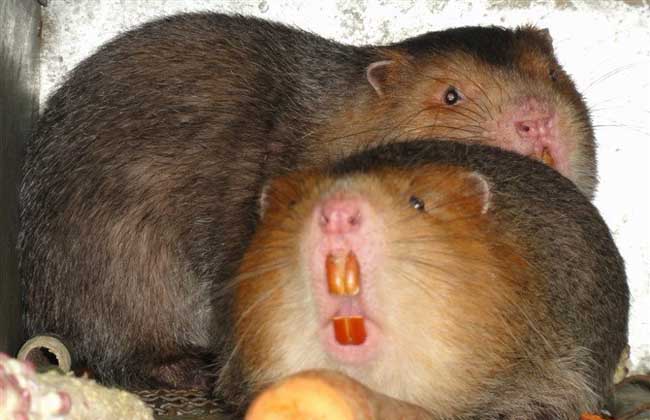
There is strong domestic demand
In China, bamboo rats have already entered the consumer markets of large and medium-sized cities and towns in southern and western China, and demand is increasing at a rate of 3% per year. In large and medium-sized coastal cities such as Shenzhen, Zhuhai, Hong Kong, China, Guangzhou, Hainan, and Shanghai, sales of commercial bamboo rats have consistently been strong, with prices remaining firm, at 80-100 yuan per kilogram. A 1-kilogram roasted bamboo rat sells for more than 200 yuan.
Especially around the Spring Festival, bamboo rat sales are even stronger, prices rise, and supply is tight. According to incomplete statistics, Sichuan, Yunnan, Guizhou, Hunan, Jiangxi, Guangxi, Guangdong, Hainan, Hong Kong, China, Fujian, Shanghai, and other places consume more than 6 million bamboo rats each year, while at present, the country's total bamboo rat production is far from meeting the rapidly growing market demand. Over the past two years, China's bamboo rat farming industry has gradually heated up, showing a momentum like a prairie fire, and many farmers have rushed to introduce breeding stock and start farming, which in turn requires the supply of large numbers of bamboo rat breeding stock.
Selling well in international markets
Bamboo rats and their products have long sold well in international markets, with nearly 500,000 bamboo rats exported to Southeast Asian countries each year. The U.S. state of Alaska needs to import 300 tons of bamboo rat meat from China each year.
A pair of leather shoes made from bamboo rat skin sells for 2,000-2,500 yuan on the international market, and a reversed-fur bamboo rat coat sells for 4,000-5,000 yuan, and both are in great demand. Bamboo rat whiskers sell for 40,000 yuan per kilogram, and high-end writing brushes made from the whiskers are a traditional Chinese export commodity that has long sold well in the Japanese market.