How long is the breeding cycle of bamboo rats generally?
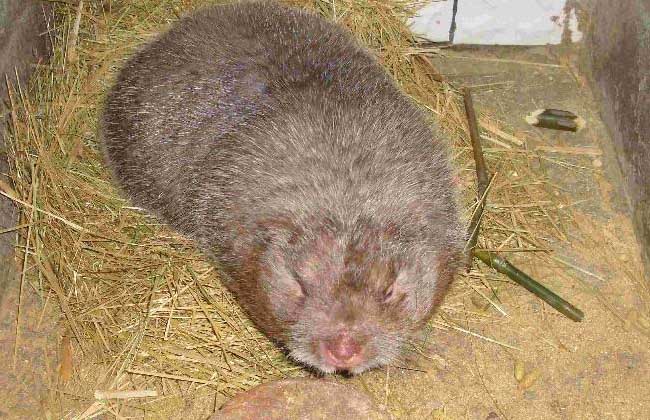
For bamboo rat farmers, besides the breeding market, the breeding cycle of bamboo rats is also an important factor in farming. So what exactly is the bamboo rat breeding cycle like? Below we will give a brief analysis of this question.
The first year
Introduction of breeding stock -- growth -- maturity -- estrus and mating -- farrowing and nursing.
1. During this period, some will eat their young, and some females will abandon their young.
2. Due to temperament issues, there will also be males and females that do not mate; those are usually rather aggressive and refuse to change despite repeated correction.
3. Male rats with poor sexual performance can also be listed for culling.
The second year
Entering the peak production period -- second selection of breeding stock
1. Those that eat their young, abandon their young or produce few young are culled.
2. Those with poor constitutions are also culled.
3. Those with poor reproductive capacity are included as well.
The third to fifth year
After careful selection, the superior adult breeding rats begin to yield relatively good economic returns, but during this period, the issue of reserving backup breeding stock must be considered, otherwise after two or three years the farm will face a “running out of supplies” problem.
The sixth year
The sexual performance of the breeding rats begins to decline; use backup breeding stock to gradually cull these rats as commercial rats, ensuring the number of high-yield breeding rats. From the above six-year cycle analysis, we draw the following conclusions for everyone's reference:
1. The bamboo rat industry is not one where you can see returns immediately after investing. To put it simply, this industry requires some long-term vision and courage! Do you have such vision and courage?? If so, hurry up and get started; if not, just take a look, don't daydream! Hehe.
2. The initial introduction of breeding stock should not be too few. We usually recommend twenty pairs or more than ten groups, because only then do you have a base for the second selection. If you only introduce just a few in total, you might cull them all in one round, and then there would be nothing left to breed! Ha!! Also, when introducing breeding stock, you should introduce stock from bamboo rat farms that have two licenses (namely the wildlife breeding license and the wildlife business utilization license). This way, not only is the quality of the breeding source guaranteed, but after-sales service (technical support, consultation on difficult issues, etc.) will also be correspondingly better. Of course, you can also introduce stock from farms you are familiar with and trust. In any case, you must ensure the quality of the breeding source. Only by keeping a good gate on the breeding source can you lay the foundation for the smooth progress of future production and do a good job in bamboo rat farming.
3. Once on a normal development track, backup breeding stock should be reserved every year to ensure that the production capacity gap left after breeding rats are sold as commercial rats can be filled.