Are Yeasts Fungi? Understanding the Classification of Yeasts in One Article
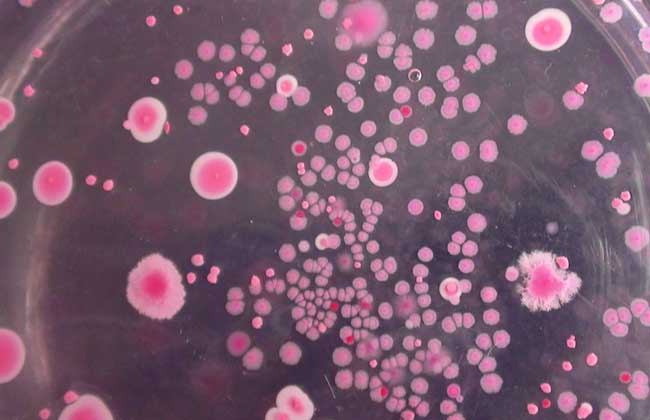
Yeasts are the earliest microorganisms used by humans in the history of civilization. They can survive in both aerobic and anaerobic environments and are facultative anaerobes. They are widely distributed in nature, mainly growing in slightly acidic, moist, sugar-containing environments. Based on their ability to produce spores (ascospores and basidiospores), yeasts can be divided into three categories. Let us take a look below at whether yeasts are fungi!
Are Yeasts Fungi?
Yeasts are fungi. Yeasts are some single-celled fungi and are not a unit of systematic evolutionary classification. They are a general term for several families of single-celled fungi such as ascomycetes and basidiomycetes, generally referring to various single-celled fungi capable of fermenting sugars. They belong to the fungal class of higher microorganisms and, like the cells of higher plants, have a nucleus, cell membrane, cell wall, mitochondria, the same enzymes and metabolic pathways.
Reproductive Modes of Yeasts
1. Sexual reproduction: When nutritional conditions are poor, some yeasts capable of sexual reproduction will form spores (generally four), which germinate again when conditions are suitable.
2. Asexual reproduction
① Budding: A mature yeast cell first grows a small bud. When the bud cell grows to a certain extent, it detaches from the mother cell and continues to grow, eventually forming a new individual.
② Fission: A small number of yeast species, like bacteria, reproduce by transverse cell division.
③ Bud fission: The mother cell always buds at one end and forms a septum at the base of the bud, with the daughter cell appearing flask-shaped. This method is rare.
Growth Conditions of Yeasts
1. Nutrition: Yeasts, like other living organisms, require similar nutrients. Like bacteria, they have a set of intracellular and extracellular enzyme systems to break down macromolecular substances into small molecules that can be easily utilized by cell metabolism, making them heterotrophic organisms.
2. Acidity: Yeasts can grow within a pH range of 3.0 to 7.5, with an optimal pH of 4.5 to 5.0.
3. Moisture: Yeasts, like bacteria, must have water to survive, but yeasts require less water than bacteria. Some yeasts can grow in environments with very little water, such as honey and jam, which indicates that they have a fairly high tolerance to osmotic pressure.
4. Temperature: Yeast cells generally cannot grow below the freezing point of water or above 47°C, with the optimal growth temperature generally between 20 and 30°C.
5. Oxygen: Yeasts can grow in both aerobic and anaerobic environments, meaning yeasts are facultative anaerobes. In the presence of oxygen, they break down sugars into carbon dioxide and water and grow faster. In the absence of oxygen, yeasts break down sugars into alcohol and carbon dioxide.