What are the functions and uses of yeast?
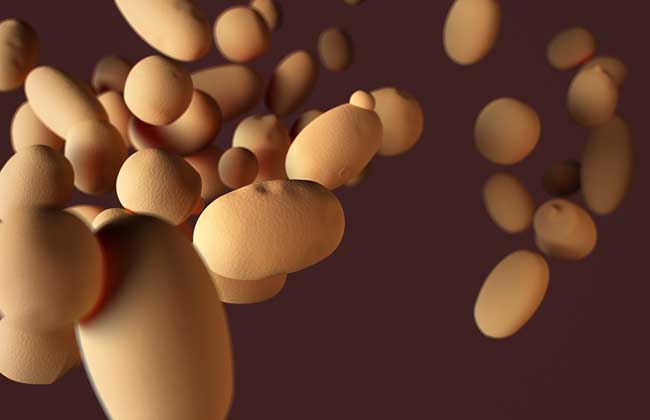
Yeast is the earliest microorganism applied in the history of human civilization. It is a general term for single-celled fungi of several families such as Ascomycetes and Basidiomycetes, and can survive in oxygen-deprived environments. More than 1,000 species are currently known, and they are widely distributed in nature, mainly growing in slightly acidic, moist, sugar-containing environments. Let us take a look below at what yeast does!
What does yeast do?
1. Making leavened dough: Yeast leavening of dough is accomplished through the biological process of yeast fermentation and improves nutritional value. It is divided into two types, fresh yeast and dry yeast, and is an edible, nutrient-rich single-celled microorganism. In nutrition it is called the “inexhaustible source of nutrition”. Besides protein, carbohydrates and lipids, yeast is also rich in a variety of vitamins, minerals and enzymes.
2. Protecting the liver: Yeast contains a very strong antioxidant that can protect the liver and has a certain detoxifying effect. Minerals such as selenium and chromium in yeast can resist aging, resist tumors, prevent arteriosclerosis, and improve human immunity. After fermentation, phytic acid in flour, which affects the absorption of elements such as calcium, magnesium and iron, can be broken down, thereby improving the human body's absorption and utilization of these nutrients.
3. Making products porous: During dough fermentation, yeast produces a large amount of carbon dioxide, and because of the formation of the gluten network structure, it is retained within the network, making baked goods porous and increasing their volume. It also increases gluten extensibility, so that the carbon dioxide produced during fermentation can be retained in the dough, improving the dough's gas-holding capacity.
4. Improving flavor: During fermentation, dough undergoes a series of complex biochemical reactions, producing the fermentation aroma unique to bread products. At the same time, the unique aromatic, rich, appetite-stimulating baking aroma of bread products is formed.
5. Increasing nutrition: The main component of yeast is protein, accounting for almost half of the dry matter content of yeast, and it is rich in essential amino acids for the human body, especially lysine, which is relatively lacking in grains. On the other hand, it contains large amounts of vitamin B1, vitamin B2 and nicotinic acid. Therefore, yeast can improve the nutritional value of fermented foods.
What harm does yeast do?
1. Candida: It can cause infectious diseases such as thrush and urethritis. In humans, Candida albicans mainly appears on the mucous membranes of the oral cavity, intestinal tract and urethra, with a small portion living on the skin surface. Under normal circumstances, Candida exists in the yeast cell form and is not pathogenic. Under the induction of some factors, such as immune deficiency and excessive use of antibiotics, Candida albicans massively transforms into the hyphal growth form and multiplies in large numbers, invading the patient's mucosal system and causing inflammation and disease.
2. Cryptococcus albidus: Cryptococcus albidus is a budding yeast that is generally harmless to humans, but in people with immune system defects it may infect the patient and cause a disease called cryptococcosis. In addition, there are cases showing that after a patient undergoing immunosuppressive therapy suffered infection of the lungs by Cryptococcus albidus, symptoms of acute respiratory distress syndrome appeared.
3. Saccharomyces cerevisiae: It is generally not considered an opportunistic pathogen, but a small number of reports have shown that Saccharomyces cerevisiae has pathogenic ability.
What are the uses of yeast?
1. Food use: Food yeast is a dry yeast powder or granular product that has no fermentation ability but has reproductive capacity, and is for human consumption. It can be obtained by recovering yeast slurry from breweries or by specially culturing and drying it for human nutritional requirements. Yeast autolysate can be used as an additive for meats, jams, soups, cheese, bread-type foods, vegetables and seasonings, and as a food nutritional fortifier in infant foods and health foods.
2. Medicinal use: Yeast is rich in physiologically active substances such as proteins, vitamins and enzymes. In medicine it is made into yeast tablets such as shimusheng tablets, used to treat indigestion caused by unreasonable diet. After people with weak constitutions take it, it can play a certain role in regulating metabolic function. During yeast culture, if some special elements are added to make yeast containing trace elements such as selenium and chromium, it has a certain therapeutic effect on some diseases.
3. Feed use: Feed yeast is usually made from Candida or Kluyveromyces fragilis through culture and drying. It has no fermentation ability, and the cells are in a dead state in powder or granular form. It is rich in substances such as proteins, B vitamins and amino acids, and is widely used as a protein supplement in animal feed. It can promote animal growth and development, shorten the feeding period, increase meat and egg yields, improve meat quality and increase lean meat percentage, improve the glossiness of fur, and enhance the disease resistance of young poultry and livestock.