What is the difference between yellow mealworms and dark mealworms?
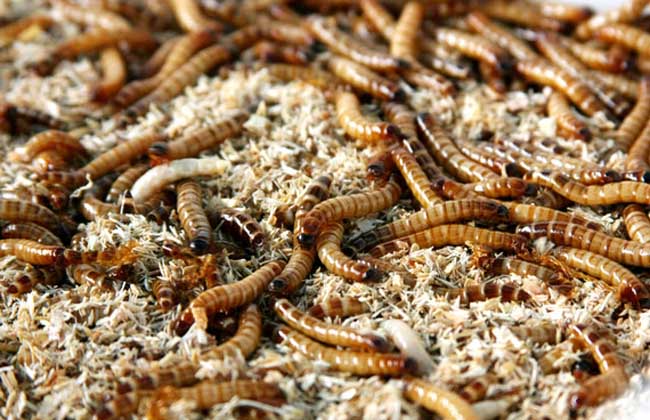
Yellow mealworms and dark mealworms are fairly similar in their biological characteristics and feeding habits, because both have a certain nutritional value, both are special breeding species, and the breeding methods for these two insects are similar, so telling them apart is not easy either. In fact, the main difference between the two is their body color. Let's take a look below at what the differences between yellow mealworms and dark mealworms are!
Difference one: The various segments of the yellow mealworm larva's body, the middle of the back and the front and rear margins are yellowish brown, while the abdomen and the areas between segments are pale yellowish white. The various segments of the dark mealworm larva's body are dark brown, while the areas between segments and the abdomen are yellowish brown.
Difference two: The adult yellow mealworm has a relatively round and smooth body, reddish brown and glossy. The adult dark mealworm has a relatively flat body, deep black and lusterless.
Difference three: The yellow mealworm's terminal segment is longer than wide, and the third segment is shorter than the sum of the first and second segments. The dark mealworm's terminal segment is wider than long, and the third segment is greater than the sum of the first and second segments.
Difference four: Yellow mealworms are distributed in the northern regions of our country, and can often be collected in warehouses in areas north of the Yellow River. Dark mealworms have a broader adaptability and occur throughout the country.
Difference five: Dark mealworms are more active by nature than yellow mealworms, are negatively phototactic (prefer darkness), and crawl quickly and hurriedly. They generally have 1 generation every 6 to 18 months. Females lay a large number of eggs, with the most reaching more than 860, but the survival rate is relatively low, and the results of artificial breeding are not as good as those of yellow mealworms.