What is the difference between pasteurization and high-temperature sterilization?
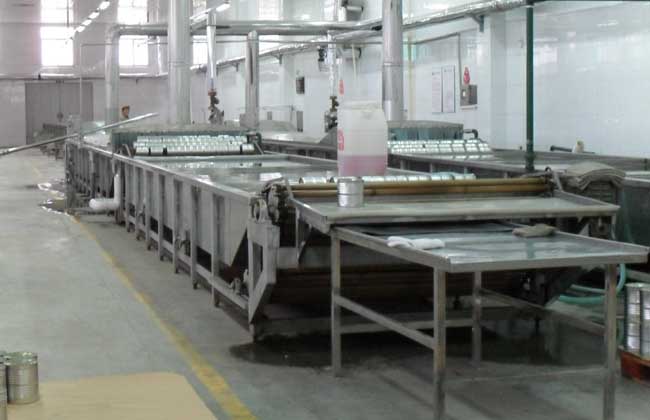
Pasteurization, also called low-temperature disinfection or cold sterilization, is a disinfection method that uses a relatively low temperature to kill pathogens while keeping the nutrients and flavor of the item unchanged. It is often broadly used to define heat treatment methods that need to kill various pathogenic bacteria. Let's take a look below at the difference between pasteurization and high-temperature sterilization!
How pasteurization works
Pasteurization involves heating the mixed raw material to 68-70°C, holding it at this temperature for 30 minutes, and then rapidly cooling it to 4-5°C. Because the lethal point for general bacteria is a temperature of 68°C and a time of 30 minutes or less, treating the mixed raw material with this method can kill the pathogenic bacteria and the vast majority of non-pathogenic bacteria in it. After heating, the mixed raw material is suddenly cooled, and the abrupt change from heat to cold can also promote the death of bacteria.
The difference between pasteurization and high-temperature sterilization
1. Sterilization temperature and time: Pasteurized milk uses a lower sterilization temperature, while ultra-high-temperature (UHT) sterilized milk is sterilized at above 135°C for a few seconds.
2. Flavor: Pasteurized milk tastes fresh and close to raw milk, while UHT sterilized milk has a cooked-milk taste or a boiled taste.
3. Nutrition: Pasteurized milk causes little nutrient destruction, while UHT sterilized milk causes more nutrient destruction, mainly of trace nutrients such as vitamins, but there is no major difference in the main nutrients such as protein, fat and lactose.
4. Storage conditions and shelf life: Pasteurized milk can be stored at 2-8°C for 3-10 days, while UHT sterilized milk can be stored at room temperature for 3-6 months, and bagged UHT sterilized milk can also be stored for 1.5 months.
5. Consumption abroad: Pasteurized milk is the main type consumed, while UHT sterilized milk is secondary or consumed in smaller amounts.
Alternative methods to pasteurization
1. Ultra-high-temperature sterilization: With advances in technology, people also use ultra-high-temperature sterilization (UHT ultra-high-temperature flash sterilization, above 100°C, but with a very short heating time and little nutrient destruction) to treat milk. Milk treated this way has a longer shelf life, and most of the carton-packed milk we see uses this method.
2. Sterilization storage technology: This uses the biological effects of pulsed discharge in a liquid medium to sterilize. The sterilization equipment generally consists of two main parts: a pulsed discharge power supply that provides energy and a sterilization chamber where the liquid material is directly sterilized. Working principle: during pulsed discharge sterilization, the liquid material is placed as a dielectric in the gap between the two electrodes of the sterilization chamber or flows continuously through the gap between the two electrodes of the sterilization chamber. When a pulsed electric field of a certain intensity and frequency is applied to the two electrodes, extremely strong biological effects are produced in the liquid material, killing the bacteria in it.
3. Electrolytic sterilization: In a conductive solution, this occurs due to oxidation-reduction reactions caused by the exchange of electrons at the interface between the electrodes and the solution. This technology's reactions are divided into 2 types: one occurs under the action of external electrical energy, and the other occurs without an external power supply but is instead excited by external light energy, heat energy or other forms of energy.
4. Alternating-current sterilization: This generally refers to a method of killing microbial bacteria by passing low-frequency alternating current below several hundred hertz through liquid materials such as fruit and vegetable juices. One extended method of use takes advantage of the thermal effect of alternating current and is also called resistance heating technology. It uses the resistive thermal effect of a continuously flowing conductive liquid to heat it, thereby achieving the purpose of sterilization.
5. Ultrasonic sterilization: This uses a series of reactions of ultrasound as it propagates through solids, liquids and gases, including cavitation effects, mechanical effects, chemical effects, thermal effects, dispersion effects, acoustic flow effects, capillary effects and thixotropic effects, to achieve the purpose of sterilization.
6. Laser sterilization: Laser is a kind of electromagnetic wave and also a kind of energy flow (photon flow). It sterilizes by using some special biological effects produced when it acts on organisms (chemical reactions, thermal effects, electronic effects, pressure effects and biological stimulation effects).
7. Pulsed strong light sterilization: This uses the technology of intense white light flashing to sterilize. This technology is generally used for surface sterilization of food and can extend the shelf life of prepackaged foods with transparent materials.
8. Magnetic field sterilization: Both constant magnetic fields and pulsed magnetic fields can effectively inhibit the growth of certain microorganisms and bacteria. When a certain magnetic field intensity is reached, it inhibits the free radical activity in food, affects the activity of proteins and enzymes, and causes biological macromolecules such as enzymes, amino acids, nucleic acids and proteins to lose activity, killing bacteria.
9. Microwave sterilization
① Thermal effect of microwave energy: Under the action of a microwave field of a certain intensity, insects and bacteria in food absorb microwave energy and heat up due to molecular polarization, thereby denaturing their proteins and losing biological activity. The thermal effect of microwaves mainly plays a role in rapid heating and sterilization.
② Non-thermal effect of microwave energy: The high-frequency electric field also changes the membrane potential and the structure of polar molecules, causing proteins and physiologically active substances in microorganisms to mutate and lose vitality or die. It plays a special role in sterilization that conventional physical sterilization does not have, and is also one of the causes of bacterial death.