What Is the Difference Between White Ginseng and Red Ginseng? A Full Analysis of the Main Differences
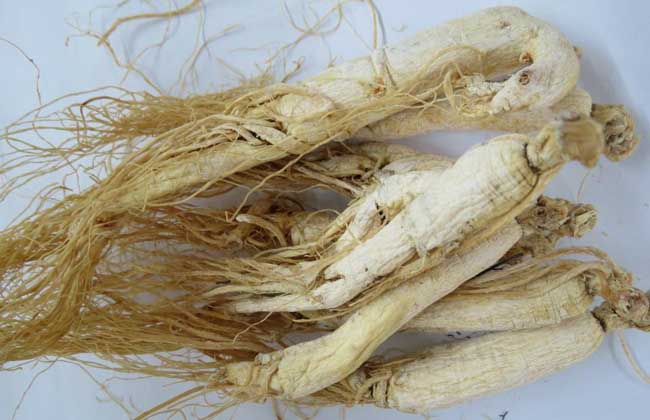
White ginseng refers to all processed ginseng products other than red ginseng, such as sun-dried ginseng, sugar ginseng, and white dried ginseng, generally collectively called white ginseng. Usually the harvested ginseng is air-dried, the best quality roots are selected and processed into red ginseng, and the rest are processed into white ginseng. Although both red ginseng and white ginseng are ginseng, there are still certain differences between them. Let's take a look below at the differences between white ginseng and red ginseng!
The Difference Between White Ginseng and Red Ginseng
1. Processing difference: White ginseng is made by directly drying fresh ginseng (raw ginseng). Red ginseng is made by steaming fresh ginseng (75% moisture) or white ginseng (12% moisture) under certain processing conditions.
2. Physical property difference: Compared with white ginseng, red ginseng has denser and firmer tissue structure and better storability. Red ginseng generally has a shelf life of 10 years, while white ginseng is about 2 years.
3. Composition difference: Red ginseng and white ginseng share common components. During steaming, red ginseng undergoes chemical reactions due to heat treatment, and its composition changes, generating new components not found in fresh ginseng or white ginseng, namely the physiologically active substances unique to red ginseng such as G-Rh2, Panaxytriol, and maltol. G-Rh2 and Panaxytriol have the effect of inhibiting cancer cell growth, and maltol has an antioxidant effect.
4. Efficacy difference: Red ginseng is superior to white ginseng in pharmacological activities such as antioxidant activity related to inhibiting aging, the effect of improving blood circulation, the effect of increasing the anticancer activity of anticancer agents, and effects on animal growth and development.
5. Application difference: Since ancient times, ginseng has been used to replenish qi, nourish yin, enrich blood, and promote body fluid production, and has effects such as strengthening the heart, invigorating the stomach, and calming the mind. These effects do not differ strictly between red ginseng and white ginseng, but in terms of tonifying deficiency, red ginseng is generally considered stronger than white ginseng.
Medicinal Effects of White Ginseng
1. Greatly tonifies primordial qi: Suitable for collapse of primordial qi.
① Qi deficiency about to desert, with symptoms of pale complexion, restlessness and palpitations, incessant spontaneous sweating, and a pulse so faint it is about to cease.
② Qi desertion with yang collapse, with the above symptoms plus cold sweating, and cold limbs. Often used together with aconite.
2. Tonifies the spleen and benefits the lungs: Can treat qi deficiency of the spleen and lungs.
① Weakness of the spleen and stomach, with little food intake and loose stools, fatigue and lack of strength, vomiting and diarrhea, pale tongue and slow pulse.
② Insufficient lung qi, with cough and asthma and lack of strength, worsening on exertion, spontaneous sweating and weak pulse, and susceptibility to wind-cold.
3. Promotes body fluid production and quenches thirst: Used for thirst due to fluid damage and for wasting-thirst.
① Thirst due to fluid damage, with heat damaging qi and yin, fever and vexing thirst, sweating and bodily fatigue, and a large but weak pulse; often used together with gypsum and anemarrhena.
② Internal-heat wasting-thirst, with unremitting vexing thirst and a rapid but weak pulse, belonging to internal heat with insufficient qi and yin. Often used together with yin-nourishing and heat-clearing medicines.
4. Calms the mind and boosts intelligence: Mainly treats mental restlessness, insomnia and forgetfulness caused by insufficient qi and blood, often combined with mind-nourishing and spirit-calming medicines. It can also be used to treat blood deficiency, impotence, and healthy qi deficiency with exuberant pathogenic factors, all taking advantage of this product's ability to generate blood when qi is vigorous, to strengthen yang when qi is vigorous, and to support healthy qi and dispel pathogenic factors.
Contraindications for Taking Ginseng
1. Not suitable to take when having a cold with fever: This is because during fever the body experiences severe palpitations, and after taking ginseng the blood circulation speed in the body increases, which at this time will worsen the palpitations, make the cold and fever problem more serious, and is not conducive to recovery, but may instead lead to worsening of the condition.
2. Not suitable for wheezing and dry throat: If wheezing suddenly occurs, or if there is dryness of the throat caused by internal dryness-heat, then we also do not recommend using ginseng. In addition, if there is vomiting of blood caused by a momentary emotional flare-up, and so on, then it is best not to use ginseng either.
3. Abdominal swelling and edema caused by damp-heat: This is because ginseng has a certain anti-diuretic effect, and after taking it, not only can it not relieve the edema, but it will instead worsen the condition, so it is not recommended. In addition, if there is reduced urine output caused by renal insufficiency, it is also not recommended to take ginseng to treat the illness.
4. Patients with insomnia, frequent dreams, and irritability are not recommended to take it: After taking ginseng, the spirit becomes more excited, which not only leads to worse sleep but also makes it difficult to achieve a calming effect.
5. Do not take ginseng together with grapes: Experts tell us that if ginseng and grapes are taken together, the nutritional value contained in ginseng will be damaged. This is because grapes contain a certain amount of tannic acid, and this substance combines with the protein contained in ginseng and produces a precipitate, which affects our body's absorption of nutrients.
6. Avoid eating radish and seafood after taking it: Ginseng is a greatly tonifying medicinal material, and after taking it, it has a very good effect of nourishing primordial qi. It is recommended that after taking ginseng, one must absolutely not eat radish, including white radish, carrot, and green radish. This is because radish has the effect of promoting digestion and diuresis, and if the two are taken mixed together, it will greatly reduce the nourishing effect of ginseng on the body. Besides radish, seafood is also best not taken immediately; these all affect the medicinal effect.
7. Avoid drinking tea after taking it: If tea is drunk after taking ginseng, the tea polyphenols contained in the tea will combine with ginseng, which reduces the nourishing effect of ginseng.
8. Avoid using metal cookware: When decocting ginseng, whether for stewing or for decocting medicine to take, never use metal cookware, otherwise it will affect the final medicinal effect of ginseng.
9. Do not abuse ginseng: With the continuous improvement of living standards, ginseng has also entered the homes of ordinary people. Many people regard ginseng as a medicinal material for nourishing and health preservation, believing that to obtain the best effect, it must be taken frequently and in large amounts. In fact, this is a very wrong idea. If ginseng is abused, not only can it not provide the best nourishing effect on the body, but it will instead cause excessive excitation of the central nervous system, leading to insomnia, itching, dizziness, and so on. Therefore, taking ginseng daily must be done gradually and step by step.
Summary: Both red ginseng and white ginseng have the functions of tonifying deficiency, supporting healthy qi, benefiting qi, strengthening the body, and prolonging life, but the two have differences within their similarities and similarities within their differences. In short, red ginseng is a warm-tonifying medicine, rich in flavor and odor, slightly bitter and sweet, warm in nature, with functions leaning toward warm nourishment, mainly used for syndromes of deficiency-cold of the spleen and kidneys and decline of true yang. White ginseng is a clear-tonifying product, sweet and neutral in nature and flavor, slightly bitter and slightly cold, able to tonify qi and also nourish yin, mainly used for syndromes of dual deficiency of qi and yin. Both red ginseng and white ginseng are suitable for diseases of qi deficiency, but for disease syndromes of qi deficiency combined with cold signs, red ginseng should be chosen, while for disease syndromes of qi deficiency combined with heat signs, white ginseng must be chosen.