What is the difference between mustard greens and Chinese kale? A quick guide to telling them apart
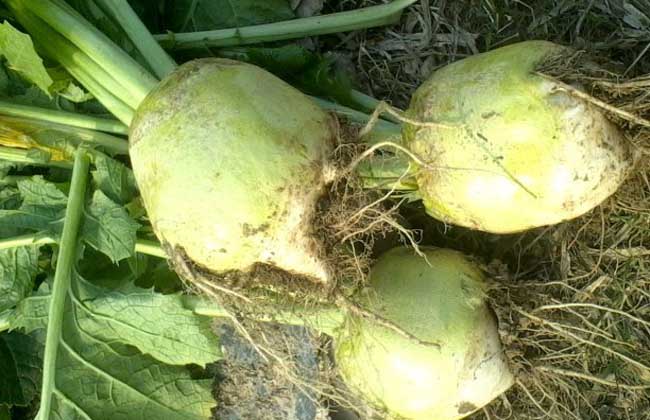
Mustard greens are a famous specialty vegetable of China, also known as gai cai, gua cai and so on. They are commonly cultivated throughout the country, mostly distributed across the provinces south of the Yangtze River. Chinese kale is also one of China's specialty vegetables, also known as white-flowered Chinese kale, green-leaf cabbage, gai lan, Chinese kale greens, gai cai and so on. Its tender flowering stems and young leaves are eaten. Let's take a look below at the difference between mustard greens and Chinese kale!
The difference in family and genus between mustard greens and Chinese kale
1. Mustard greens: Mustard greens are an annual or biennial herbaceous plant in the plant kingdom, Angiospermae, Dicotyledoneae, Dilleniidae, Capparales, Brassicaceae, Brassiceae, Brassica.
2. Chinese kale: Chinese kale is an annual herbaceous plant in the plant kingdom, Angiospermae, Dicotyledoneae, Dilleniidae, Capparales, Brassicaceae, Brassiceae, Brassica.
The morphological difference between mustard greens and Chinese kale
1. Mustard greens: The mustard green plant is 30-150 cm tall, usually hairless, sometimes with bristles on young stems and leaves, covered with a waxy bloom, with a pungent taste. The stem is erect and branched. The basal leaves are broadly ovate to obovate, the lower stem leaves are smaller, and the upper stem leaves are narrowly lanceolate. The raceme is terminal and elongates after flowering, the flowers are yellow, the sepals are pale yellow, the petals are obovate, the siliques are linear, and the seeds are spherical and purplish brown. The flowering period is March to May, and the fruiting period is May to June.
2. Chinese kale: The Chinese kale plant is 0.5-1 m tall, often 30-40 cm, hairless, with a waxy bloom. The stem is erect and branched. The basal leaves are ovate, the stem leaves are ovate or round-ovate, and the upper stem leaves are oblong. The raceme is long and erect, the flowers are white or pale yellow, the sepals are lanceolate, the petals are oblong, the siliques are linear, and the seeds are convexly spherical and reddish brown. The flowering period is March to April, and the fruiting period is May to June.
The difference in producing areas between mustard greens and Chinese kale
1. Mustard greens: Mustard greens have no distribution boundary in China. Apart from alpine and arid regions, mustard greens are cultivated from the eastern coastal provinces in the east, to the ** Uygur Autonomous Region in the west, to Sanya City in Hainan Province in the south, and to Mohe City in Heilongjiang Province in the north.
2. Chinese kale: Chinese kale is one of the more nutritious vegetables among the cabbage-family vegetables. It has a long history of cultivation in China. The main producing areas include Guangdong, Guangxi, Fujian and Taiwan, China, with a small amount of cultivation in coastal areas and the suburbs of large northern cities.
The difference in benefits between mustard greens and Chinese kale
1. Mustard greens: Mustard greens contain a large amount of ascorbic acid and have the effect of refreshing the mind and relieving fatigue. Mustard greens have the function of detoxifying and reducing swelling, can resist infection and prevent the occurrence of disease, inhibit the toxicity of bacterial toxins, and promote wound healing. Mustard greens also have the effect of stimulating the appetite and aiding digestion, can promote the digestive function of the stomach and intestines, and increase appetite, so they can be used to whet the appetite and help digestion. Finally, they can also improve eyesight, soothe the diaphragm, and loosen the bowels to relieve constipation, and can prevent and treat constipation.
2. Chinese kale: Chinese kale is one of the more nutritious vegetables among the cabbage-family vegetables. It can be stir-fried, cooked in soup, or used as a side dish. It has the effects of promoting diuresis and resolving phlegm, detoxifying and dispelling wind, removing pathogenic heat, relieving fatigue, calming the heart and improving eyesight. However, eating Chinese kale over a long period has the side effect of consuming one's vital energy and will inhibit the secretion of sex hormones.