What Happens If You Eat Preservatives? Understanding Their Impact on Health
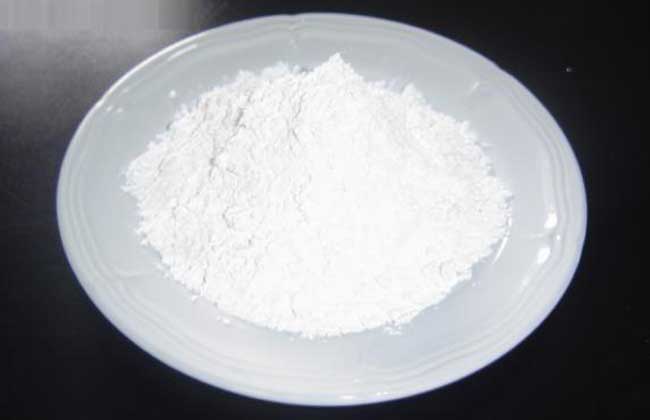
Preservatives are food additives used to maintain the original quality and nutritional value of food. Their main function is to inhibit the growth and reproduction of microorganisms, prevent food from spoiling, and extend the storage time of food. The preservatives approved for use include benzoic acid, sodium benzoate, sorbic acid, potassium sorbate, calcium propionate, and others. Let's take a look below at what happens if you eat preservatives!
What happens if you eat preservatives?
Many preservatives, such as benzoic acid and sorbic acid, are acidic substances. Drinking too many acidic substances directly increases the acidity of the body and can also cause excessive consumption and loss of iodine, iron, calcium, and other substances in the human body. Moreover, any preservative is harmful to health when consumed over the long term. So far, China has only approved 32 types of food preservatives for use, all of which are low-toxicity, relatively safe varieties. As long as the variety, quantity, and scope of food preservatives used by food manufacturers are strictly controlled within the scope specified by the national standard "Hygienic Standard for the Use of Food Additives" (GB2760-96), they will absolutely not cause harm to human health, and people can consume them with peace of mind. For example, foods seen on the market usually have preservatives such as potassium sorbate and sodium benzoate added. After these two most widely used preservatives are ingested by the human body, they are generally excreted with urine and do not accumulate in the human body.
What are the harms of preservatives?
Food preservatives are a “double-edged sword” that may bring certain troubles to people's health. The vast majority of preservatives used in food production in China are artificially synthesized. Improper use can have certain side effects, and some preservatives even contain trace toxins. Long-term excessive intake can cause certain harm to human health. Take the widely used food preservative benzoic acid as an example. Internationally, there has always been controversy over its use. For example, because there have been reports of cumulative poisoning from benzoic acid and its sodium salt, the European Community Child Protection Group believes it is not suitable for use in children's food, and Japan has also imposed strict restrictions on its use. Even sorbic acid and potassium sorbate, which are among the internationally recognized safe preservatives, can affect the balance of human metabolism if consumed in excess.
Precautions for using preservatives
1. Before adding preservatives, it should be ensured that the food has been completely sterilized and that a large number of organisms should not be present; otherwise, the addition of preservatives will not achieve the desired effect. For example, potassium sorbate will not only fail to preserve the food, but will instead become a nutrient source for microbial reproduction.
2. The toxicity and scope of use of various preservatives should be understood, and they should be added according to the safe usage amount and scope of use. For example, sodium benzoate, because of its relatively strong toxicity, has been banned in some countries, while China has also strictly determined that it can only be used in sauces, jams, pickled vegetables, canned foods, and some alcoholic beverages.
3. The effective use environment of various preservatives should be understood. Acidic preservatives can only be used in acidic environments to have a strong and effective preservative effect, but they have little effect when used in neutral or slightly alkaline environments, such as potassium sorbate and sodium benzoate. However, among ester-type preservatives, parabens can also be used between pH 4 and 8, and the effect is also quite good.
4. The types of microorganisms that various preservatives can inhibit should be understood. Some preservatives are effective against molds, and some are effective against yeasts. Only by mastering this characteristic of preservatives can the right remedy be applied. Generally, composite preservation and freshness-keeping are mostly carried out in compound forms, such as products like Jianying Anti-Corrosion King and anti-mold freshness preservatives.
5. According to the different processing techniques of various foods, factors such as the price and solubility of preservatives and whether they affect the flavor of food should be considered. After comprehensively weighing their advantages and disadvantages, they should then be added and used flexibly.