How are food preservatives used? A detailed guide to correct usage
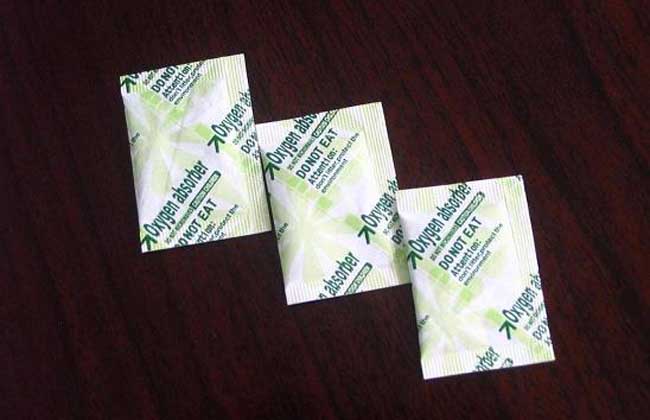
Food preservatives are additives that can prevent spoilage and deterioration caused by microorganisms and extend the shelf life of food. Because they also help prevent food poisoning caused by microbial growth, they are also called antimicrobial agents. Their main function is to inhibit the growth of microorganisms in food. Common ones include benzoic acid, sodium benzoate, potassium sorbate, and others. Let us take a look below at how food preservatives are used!
Mechanism of action of food preservatives
1. Food preservatives can coagulate or denature the proteins of microorganisms, thereby interfering with their growth and reproduction.
2. Food preservatives act on the microbial cell wall and cell membrane. Because they can destroy or damage the cell wall, or interfere with the mechanism of cell wall synthesis, they cause intracellular substances to leak out, or affect the electron transport system of the respiratory chain related to the membrane, thereby having an antimicrobial effect.
3. Food preservatives act on genetic material or the structure of genetic particles, thereby affecting the replication, transcription, and protein translation of genetic material, among other processes.
4. Food preservatives act on the enzyme systems within microorganisms, inhibiting enzyme activity and interfering with their normal metabolism.
How are food preservatives used?
1. pH value and water activity: Some preservatives exist in water in an ionization equilibrium state, such as acid-type preservatives. The particles that exert their preservative effect mainly rely on the action of the undisassociated acid, and this type of preservative works better when the pH value is low. High water activity is favorable for the growth of bacteria and molds. Generally, the water activity for bacterial survival is above 0.9, while for molds it is generally below 0.7. Reducing water activity is favorable for the preservative effect of preservatives.
2. Combined use of preservatives: Various preservatives have a certain scope of action. No single preservative can inhibit all spoilage microorganisms, and many microorganisms may also develop resistance, so preservatives with different scopes of action should be used in combination. The combined use of preservatives may have three effects: one is a synergistic or cooperative effect, one is an additive or cumulative effect, and another is an antagonistic effect.
3. Timing of preservative use: The same preservative may have different effects depending on the occasion and time of addition. It is essential to first ensure that the food itself is under good hygienic conditions, and to add the preservative during the induction phase of bacteria. If bacterial proliferation has entered the logarithmic phase, the effect of the preservative will be poor. Preservatives generally should be added early; the earlier they are added, the better the effect and the smaller the amount needed. The more severe the microbial contamination of the food, the worse the effect of the preservative. If the food has already spoiled, no preservative can reverse it.
4. Influence of food components: The action of preservatives is affected by the raw materials and components of food. For example, flavoring agents, seasonings, and emulsifiers in food have antimicrobial effects. Salt, sugars, and ethanol can reduce water activity. Some components in food react with preservatives, possibly causing the preservatives to partially or completely lose effectiveness, and they may also be decomposed by microorganisms in food. Sorbic acid can be reduced by lactic acid bacteria to sorbitol, which can become a carbon source for them.
Precautions for the use of food preservatives
1. Before adding preservatives, it should be ensured that the food has been completely sterilized and that a large number of organisms are not present; otherwise, the addition of preservatives will not achieve the desired effect. For example, potassium sorbate will not only fail to preserve the food, but will instead become a nutrient source for microbial reproduction.
2. The toxicity and scope of use of various preservatives should be understood, and they should be added according to safe usage amounts and scope of use. For example, sodium benzoate, because of its relatively strong toxicity, has been banned in some countries, while China has also strictly determined that it can only be used in sauces, jams, pickled vegetables, canned foods, and some alcoholic beverages.
3. The effective use environment of various preservatives should be understood. Acidic preservatives can only be used in acidic environments to have a strong and effective preservative effect, but they have little effect in neutral or slightly alkaline environments, such as potassium sorbate and sodium benzoate. However, among ester-type preservatives, parabens can also be used between pH 4 and 8, and their effect is also quite good.
4. The types of microorganisms that various preservatives can inhibit should be understood. Some preservatives are effective against molds, and some are effective against yeasts. Only by mastering this characteristic of preservatives can the right remedy be applied. Generally, comprehensive preservation and freshness retention are mostly carried out in compound forms, such as products like Jianying Anti-Corrosion King and mold-proof freshness preservatives.
5. According to the different processing techniques of various foods, consideration should be given to factors such as the price and solubility of preservatives, and whether they affect the flavor of the food. After comprehensively weighing their advantages and disadvantages, they should then be added and used flexibly.