What are the differences between sardines and Pacific saury?
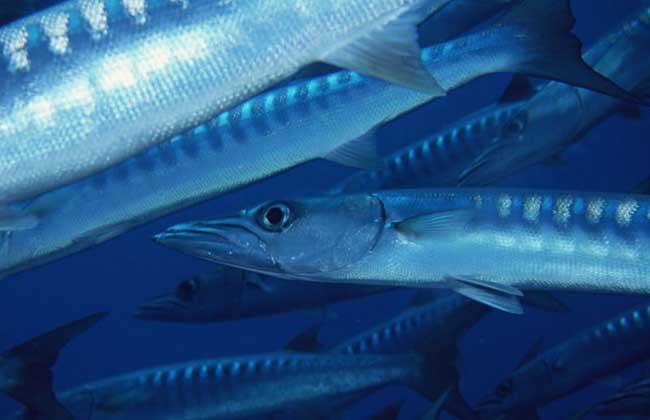
Sardine is a collective term for certain edible fish in the class Osteichthyes, order Clupeiformes, family Clupeidae, genera Sardina, Sardinella and Sardinops, while Pacific saury is one of the important edible fish, also known as the saury pike, and is a very common fish species in the cuisine of some East Asian regions. Let us take a look below at what differences there are between sardines and Pacific saury!
Differences in family and genus between sardines and Pacific saury
1. Sardine: Sardine is a collective term for certain edible fish in the animal kingdom, phylum Chordata, subphylum Vertebrata, class Osteichthyes, subclass Actinopterygii, order Clupeiformes, family Clupeidae, genera Sardina, Sardinella and Sardinops.
2. Pacific saury: Pacific saury is the only fish species in the animal kingdom, phylum Chordata, subphylum Vertebrata, class Osteichthyes, subclass Actinopterygii, order Beloniformes, suborder Belonoidei, family Scomberesocidae, genus Cololabis.
Differences in morphology between sardines and Pacific saury
1. Sardine: Sardine is a slender silver small fish, with a short dorsal fin and only one of them, no lateral line, no scales on the head, body length about 15-30 cm, the lower jaw slightly longer than the upper jaw, teeth not prominent, dark back and white belly, delicious meat, mostly used to make canned food.
2. Pacific saury: The Pacific saury has a slender, round, stick-shaped body, with 5-6 small fins behind the dorsal fin and 6-7 free small fins behind the anal fin. The two jaws have many protrusions, but they are not in a long ridge shape, and the teeth are thin and weak. The back of the body is dark blue, the belly is silvery white, the tip of the snout and the rear part of the caudal peduncle are slightly yellow, and the body length can reach 35 cm.
Differences in production areas between sardines and Pacific saury
1. Sardine: The Far Eastern sardine is distributed in eastern Honshu of Japan, southwestern Kyushu, the Sea of Japan and the Korea Strait; the California sardine is produced along the coast of California in the United States and western Canada; the South American sardine is produced along the coasts of Chile and Peru in South America; the Australian sardine is produced in Australia and New Zealand; the South African sardine is distributed along the coasts of southern Africa, Angola and Namibia; the genus Sardinella is distributed in the western Indian Ocean, the Pacific Ocean and the various sea areas of the Atlantic Ocean; the genus Sardina is distributed in the northeastern Atlantic Ocean and along the Mediterranean coast.
2. Pacific saury: The Pacific saury is distributed in the North Pacific region, including the Sea of Japan, Alaska, the Bering Sea, California, Mexico and other sea areas. From 67 to 18 degrees north latitude, and from 137 degrees east longitude to 108 degrees west longitude, the preferred water temperature is 15-18 degrees Celsius, and in our country it is mainly distributed in the Yellow Sea and the east coast of Shandong.
Differences in nutrition between sardines and Pacific saury
1. Sardine: Sardine is amazingly rich in nutritional value, rich in phospholipids, namely OMEGA-3 fatty acids, protein and calcium. This special fatty acid can reduce the production of triglycerides (harmful fatty acids that cause blood clots), and has the magical effect of gradually lowering blood pressure and slowing down the speed of atherosclerosis. At the same time, the phospholipids in sardines have a beneficial effect on promoting fetal brain development.
2. Pacific saury: The body of the Pacific saury contains rich protein and fatty acids, with a protein content of 20.7%, and contains unsaturated fatty acids indispensable to the human body such as eicosapentaenoic acid (EPA) and docosahexaenoic acid (DHA). EPA and DHA have the effect of suppressing high blood pressure, myocardial infarction and arteriosclerosis.