10 plants and flowers cats must not touch, cat owners should take note
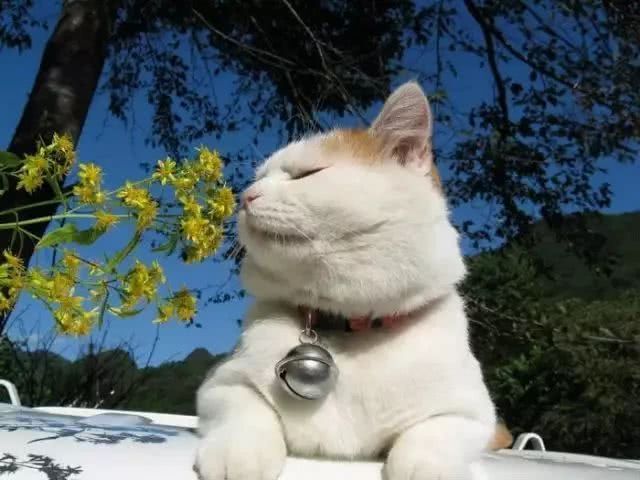
Cats love to nibble on plants and flowers, and they are especially drawn to plants with slender, flexible stems and leaves (like a cat teaser wand) and those that are chew-resistant (like a rubber tail mouse bar). Some cats will even dig plants out of the soil to see what their roots look like.
Many cat owners serve both their feline masters and their plants at home, and can afford to offend neither side. They can't hit or scold them, and can only clean up the mess with mixed feelings. Sometimes they really suffer from being caught in the middle between their cats and their plants... (Say no more, let me go cry for a bit first)
"I'm just smelling it, not biting..."
But many plants, including indoor plants and garden plants, are harmful or even toxic to cats and must never be within their reach. Unexpectedly, all plants in several genera and families are toxic to cats. Some plants that can be used as medicine are even toxic in their entirety, and even cat owners themselves must carefully avoid them.
The cat is willing, but the flower is not
Many plants are toxic to cats. Among the more toxic ones are: castor bean, rehmannia, lily of the valley, Japanese yew, oleander, rhododendron, and hydrangea (eight-immortal flower). A single castor bean can poison a cat to death, and mistletoe is also fatal.
Morning glory, narcissus, iris, hyacinth, honeysuckle and other plants and flowers are also toxic. Christmas trees (such as fir and spruce), pine needles, and even the water around the base of a Christmas tree can cause inflammation of a cat's mouth, vomiting, diarrhea, lethargy, trembling, and weakness in the hind legs. Poinsettia is not very toxic, but it may cause gastrointestinal irritation and vomiting.
People usually do not list plants in the lily family among common toxic plants, but lily family plants can make cats very seriously ill. Some veterinarians and toxicologists believe that lily family plants are a major cause of acute kidney failure in cats.
Below, let's get to know some common flowers that are toxic to cats.
1? Rhododendron
It irritates a cat's stomach and intestines. Its toxicity can severely affect the central nervous system, causing nausea, vomiting, diarrhea, decreased blood pressure, and rapid breathing in cats. In severe cases, it can lead to cardiovascular collapse, coma, and death.
2? Lily
It is often kept in vases as a cut flower, but lilies are actually nephrotoxic plants. If a cat bites them, it may cause severe kidney damage (such as renal tubular necrosis). If treated within 6 hours, it can usually recover, but once treatment is delayed, it can easily lead to fatal kidney failure.
3? Narcissus
The entire narcissus plant is toxic, mainly concentrated in the bulb. The white sap contains narcissin and narcissine, and the juice in the flowers and leaves also contains them. Narcissus irritates a cat's stomach and intestines, causing vomiting, diarrhea, fever, abdominal pain, lethargy and other symptoms, as well as arrhythmia. In severe cases, it can lead to spasms, paralysis, and death.
4? Tulip
Tulips contain a small amount of toxic alkaloids (such as colchicine), concentrated in the bulb. They irritate a cat's stomach and intestines, causing vomiting, diarrhea, fever, abdominal pain, lethargy, arrhythmia and other symptoms. If a cat digs tulips out of a flowerpot and chews their roots, it can easily be poisoned!
5? Cyclamen
The toxicity is mainly concentrated in the roots. If ingested, it will not only cause allergic reactions on a cat's lips, but also irritate the intestines, causing severe vomiting, and in serious cases, death.
6? Dieffenbachia
Dieffenbachia has been listed as a toxic plant in the "Chinese Plant Atlas Database", and the whole plant is toxic. After its sap is swallowed by a cat, the toxic components in it will cause severe oral and throat irritation, and can also damage blood vessels and cause bleeding. Symptoms include drooling, vomiting, throat paralysis, abdominal pain, diarrhea, and in more serious cases, even kidney failure, gradually leading to coma and death.
7? Alocasia
Also called taro, the entire plant should not be allowed to come into contact with cats. The white sap in the stem is the most toxic, and the dripping water is also toxic. If the white sap contacts a cat's eyes, it can cause blindness; contact with the lips will cause itching and discomfort; ingesting the sap will cause discomfort in the throat and mouth, a burning sensation in the stomach, and in severe cases, it can also cause a cat to suffocate due to throat swelling, and even lead to death from cardiac paralysis.
8? Monstera
The sap is irritating and corrosive. After a cat bites it, it will feel pain, and eye contact will also be irritated. The unripe fruit contains calcium oxalate needle crystals. After a cat eats it, it will burn the mouth.
9? Maidenhair fern
The whole plant contains toxins that cause diarrhea and vomiting in cats. If ingested, it will cause gastrointestinal inflammation and symptoms of central nervous system paralysis, resulting in unsteady walking, blood in the urine, diarrhea, and dehydration.
10? Poinsettia
The sap strongly irritates a cat's lips and eyes. If a cat bites the stem, leaves, or stamens, symptoms such as vomiting and diarrhea will occur.
While enjoying the happiness of playing with their feline masters, cat owners must pay extra attention to ensure their masters' safety!