Is lemon an acidic or alkaline food?
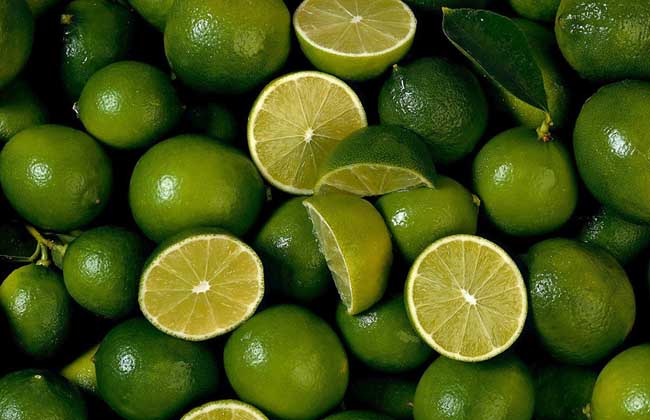
Lemon is a plant of the genus Citrus in the family Rutaceae, also known as ningguo, yangningmeng, yimuguo, etc. Because its taste is extremely sour, pregnant women with liver deficiency like to eat it most, so it is called yimuguo or yimuzi. It is rich in citric acid, so it is known as the "citric acid warehouse." Many people think lemon is an acidic food because it is indeed very sour. Is that really the case? Let us take a look below at whether lemon is acidic or alkaline!
Is lemon acidic or alkaline?
Lemon is an alkaline food, and among alkaline foods it belongs to the medium-alkaline foods. Most people have a very vague understanding of the acidity and alkalinity of foods, thinking that foods that taste sour are acidic foods and that foods that taste astringent are alkaline foods. Some people also use litmus paper to test food juice and judge acidity or alkalinity based on whether the paper turns red or blue. In fact, it is exactly the opposite. After many sour-tasting foods, such as lemon, citrus, star fruit, and vinegar, enter the human body, the organic acids in the foods decompose into carbon dioxide, water, and mostly cations, and most of the metabolic products are alkaline substances, so they belong to alkaline foods.
What are the common acidic foods?
1. Strongly acidic: egg yolk, cheese, desserts, white sugar, tuna, flounder, etc.
2. Medium-acidic: ham, bacon, chicken, pork, eel, beef, bread, wheat, etc.
3. Weakly acidic: white rice, peanuts, beer, seaweed, octopus, chocolate, macaroni, scallions, etc.
What are the common alkaline foods?
1. Vegetables: water shield, purslane, houttuynia, water spinach, tomato, chayote, zucchini, bottle gourd, calabash gourd, melon, Hami melon, watermelon, snake melon, bamboo shoots, kelp, lotus root, konjac, arrowhead, kudzu root, beet, radish, kohlrabi, celery, amaranth, eggplant, lettuce, wild rice stem, bitter melon, rapeseed, spinach, mushroom, romaine lettuce, cauliflower, enoki mushroom, winter melon, cucumber, loofah, lily, carrot, rutabaga, crown daisy, schizonepeta, Chinese cabbage, cabbage, lion's mane mushroom, wood ear, shepherd's purse, silver ear fungus, sweet potato, potato, taro, kombu, qamgur, Chinese yam, onion, Chinese garlic, Chinese toon, Chinese chives, potherb mustard, cilantro, bell pepper, pumpkin, ginger, scallion, garlic, chili, pepper, dried radish, carrot, etc.
2. Medicinal herbs: Dendrobium, reed root, chrysanthemum, mint, rehmannia, white peony root, American ginseng, adenophora root, cassia seed, polygonatum, gastrodia, codonopsis, poria, licorice, fleeceflower root, amomum, cordyceps, osmanthus, lovage, astragalus, ginseng, angelica, cistanche, eucommia, atractylodes, cinnamon, etc.
3. Fruits: kiwi, persimmon, mulberry, fig, sugarcane, banana, water chestnut, pear, loquat, orange, mandarin, mango, monk fruit, apple, grape, hawthorn, pomegranate, papaya, betel nut, peach, lemon, cherry, lychee, tangerine, longan, chestnut, almond, etc.
4. Other categories: tea leaves, wine, soy milk, milk, honey, salt, vinegar, edible alkali, etc.