Jasmine pruning must be ruthless for blooming to be reliable; with three cuts, new shoots burst out vigorously and it overflows the pot year after year
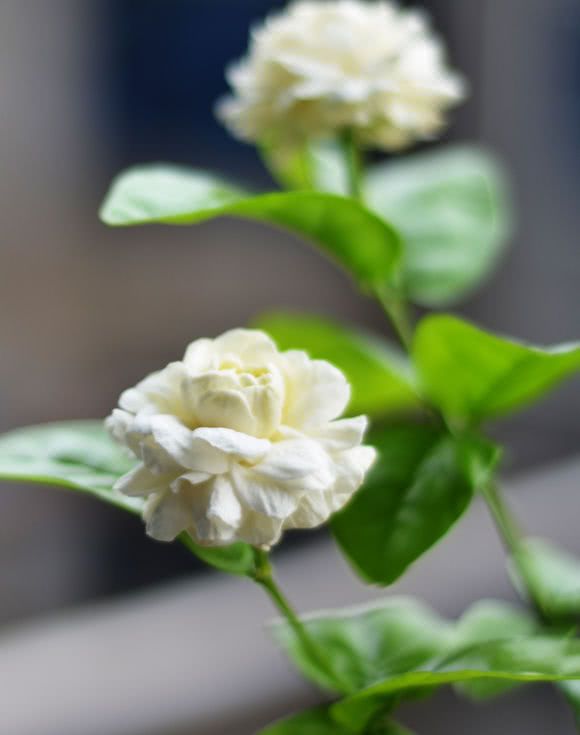
Jasmine, also known as the flower of love and the mother's flower, is a symbol of "love" and "friendship." Placing 1-2 pots of jasmine in a room can not only refresh the mind but also decorate the home, and after blooming the flowers can be dried for tea. It blooms in ordinary people's homes, not born of noble jade yet flawless; the ice-like flower gives its fragrance selflessly, and its snow-white soul and fragrant spirit all go into the tea.
It is now exactly the jasmine flowering season. What does the gardening saying "prune ruthlessly for reliable blooming" mean? It means that in the entire care of jasmine, pruning measures are very important. If you want it to bloom abundantly and have a strong fragrance, you must learn to prune. Jasmine pruning is generally divided into three cuts: heavy pruning in spring, light pruning after flowering, and pruning during the dormant period.
1. Heavy pruning. Jasmine blooms most vigorously as a 3-6 year old plant, after which it ages year by year and must be heavily pruned and renewed in time. Before it sprouts at Spring Festival, the live branches can be appropriately shortened, keeping 10-15 cm at the base, so that many thick new branches grow. If the new branches grow very vigorously, pinch the tips when they reach 10 cm to encourage a second flush of shoots; then it will bloom more, and the plant shape will be compact with high ornamental value.
2. Light pruning after flowering. After jasmine flowers fade, prune promptly after flowering so that new branches can regrow from the pruned branch areas. On the premise of maintaining the jasmine's plant shape, remove some leaves to reduce nutrient consumption. Keep 3-5 nodes on each branch and cut off the top tips to promote new branch growth. After flowering, jasmine will not produce new buds on the original branches; if you do not cut them off, no small ones will grow either, so post-flowering pruning is very important for the care of jasmine.
3. Pruning during the dormant period. Carry it out before sprouting in spring, cutting off diseased and pest-infested branches, weak and thin branches, and leggy branches. Do not be soft-hearted; if you do not prune ruthlessly, blooming will not be reliable.
When pruning, use sharp scissors, preferably disinfected before use. One clean cut leaves no trace; do not let the cut be rough, as it will affect the growth of new shoots. After pruning, if you want an explosion of flowers, fertilizer and water must of course keep up. Jasmine fertilization has its particularities: use organic fertilizer as much as possible and inorganic fertilizer sparingly, as it easily causes the potting soil to compact and alkalinize.
It is now midsummer; is your jasmine quietly budding and blooming? Take good care of it after flowering, and look forward to the next flowering season!