What Do Giant Pandas Eat? An Analysis of Their Feeding Habits and Dietary Behavior
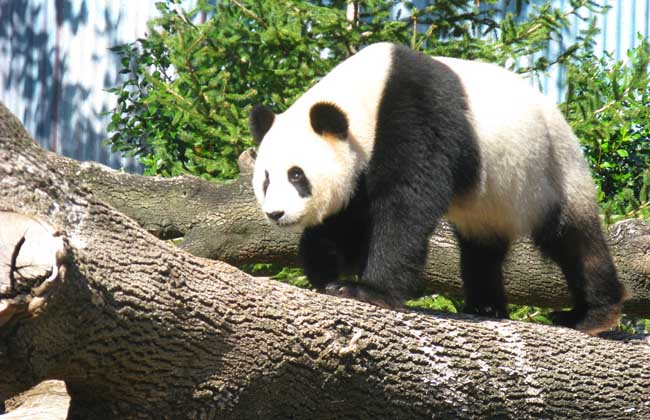
Giant pandas have lived on Earth for at least 8 million years and are known as a “living fossil” and “China's national treasure,” the ambassador of the World Wide Fund for Nature, and a flagship species for global biodiversity conservation. According to the third national survey of wild giant panda populations, there are fewer than 1,600 wild giant pandas in the world, and they are a Class I nationally protected animal in China. Let's take a look below at what giant pandas eat!
What do giant pandas eat?
Giant pandas mainly eat bamboo. 99% of a giant panda's food is bamboo, and there are more than 60 species in 12 genera of bamboo plants that giant pandas can eat. In addition, wild giant pandas occasionally eat some animal carcasses or other plants. There are quite a few kinds of bamboo that giant pandas like to eat, and Fargesia is just one of the more common types. These bamboos grow year-round under the canopy of subalpine dark coniferous forests, montane dark coniferous forests, montane mixed coniferous and broad-leaved forests, and montane evergreen broad-leaved forests, with distributions at elevations ranging from 700 to 3,500 m, and the staple bamboo species differ among giant pandas in different mountain systems. The giant panda's diet varies with mountain system and season, and in different seasons they feed on different kinds of bamboo or different parts of the same bamboo species. In spring and summer they most love to eat different kinds of bamboo shoots, in autumn they mainly feed on bamboo leaves, and in winter they mainly feed on bamboo culms.
Why do giant pandas eat bamboo?
Why giant pandas eat bamboo is actually related to changes in their living environment. After the glaciation, the giant pandas that remained in the Sichuan and Gansu areas could only survive by gradually changing their diet. In the long process of adapting to their environment, giant pandas changed from eating meat to eating bamboo, and their molars also became especially broad and large, suitable for grinding bamboo fibers. Giant pandas love to eat Fargesia, black bamboo, and water bamboo, and especially love to eat bamboo shoots, and every year they arrive on time at a certain place to eat bamboo shoots. Their food intake is very large, and they eat about 20 kg of tender bamboo each day, absorbing nutrients from a large amount of fiber. Because they must digest a large amount of fiber and lignin every day, they are especially fond of drinking water. Of course, giant pandas occasionally eat other small animals as well; if they see a bamboo rat, they kill it with a single slap, then enjoy a fine meal. In their daily life, besides eating, giant pandas sleep, and when they wake up they start eating again. Because bamboo has a cycle of flourishing and decline, flowering and dying about once every 50 to 60 years, at such times giant pandas face a food shortage and their lives are threatened. Now China has established giant panda reserves, and has also organized large-scale activities to rescue giant pandas and carry out artificial breeding, so that this “national treasure” will endure forever.
Do giant pandas eat a lot?
Giant pandas eat a very large amount. Giant pandas still retain the relatively simple digestive tract of carnivores, lacking the complex stomach and large cecum that herbivores have specifically for storing food, and their intestines also lack the symbiotic bacteria or ciliates used to ferment cellulose from plants into nutrients that can be absorbed. To obtain the nutrients they need, the only way is to eat quickly and defecate quickly, and to defecate as they eat. A 100 kg adult giant panda in spring must spend 12 to 16 hours each day eating 10 to 18 kg of bamboo leaves and culms, or 30 to 38 kg of fresh bamboo shoots, while excreting more than 10 kg of feces, in order to maintain the balance of its metabolism.