What kind of rice is japonica rice? What is the difference between it and rice
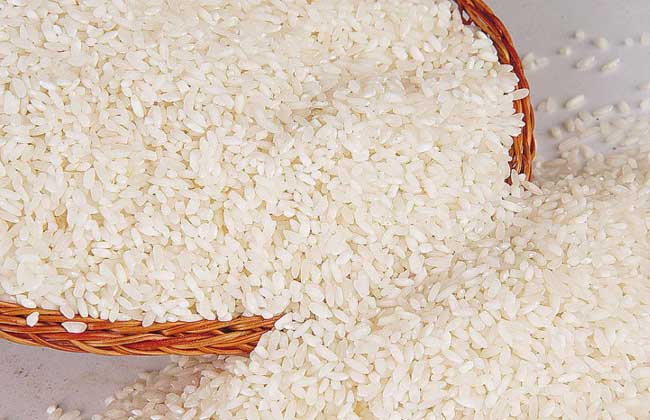
Japonica rice is also known as rice, polished rice, hard rice, white rice, fat boy rice, etc. It is a variety of rice with shorter and rounder grains, stronger stickiness, and low expansion. It is cultivated throughout China, mostly in the north, with three harvests of early, middle, and late, that is, the mature fruit is harvested in June, July, August, September, or October, dried in the sun, and used after grinding off the husk. In fact, japonica rice is just one type of rice that is commonly eaten. Half of the world's population uses it as a staple food, and its porridge has the reputation of being “the best tonic in the world.”
What kind of rice is japonica rice?
Japonica rice is cultivated throughout China, with a planting history of more than 6,900 years. It is one of the specialties of Chinese food culture, mainly produced in Northeast China. Japonica rice is relatively short and thick, and the porridge or rice cooked from it is relatively soft. Common Northeast rice, pearl rice, and Jiangsu round rice all belong to japonica rice. Cooking porridge with japonica rice has the effects of nourishing yin and promoting fluid production, relieving restlessness and quenching thirst, strengthening the spleen and stomach, tonifying middle qi, and securing the intestines to stop diarrhea. When cooking rice porridge with japonica rice, the thick liquid floating on the surface of the pot (commonly known as rice soup or porridge oil) has the effect of tonifying deficiency, and has auxiliary therapeutic effects for people who are weak after illness or childbirth. Brown rice is more nutritious than polished white rice, can lower cholesterol, and reduce the probability of heart attacks and strokes.
The difference between japonica rice and rice
Japonica rice is rice. Rice is divided into japonica rice, indica rice, and glutinous rice. Japonica rice is made by milling non-glutinous rice grains of the japonica type. The grains are generally oval or round. The grains are plump and thick, with a cross-section nearly round, and the ratio of length to width is less than 2. The color is waxy white, transparent or semi-transparent, and the texture is hard yet resilient. After cooking, both stickiness and oiliness are high, and it is soft and delicious, but the cooked rice yield is low. Japonica rice is divided into early japonica rice and late japonica rice according to the harvest season.
The nutritional value of japonica rice
1. The crude fiber molecules in the bran layer of japonica rice help gastrointestinal peristalsis and have very good therapeutic effects on stomach disease, constipation, hemorrhoids, and so on.
2. Japonica rice can improve human immune function and promote blood circulation, thereby reducing the chance of high blood pressure.
3. Japonica rice can prevent diseases such as diabetes, beriberi, age spots, and constipation.
4. Japonica rice contains relatively large amounts of protein, fat, and vitamins. Eating more of it can lower cholesterol and reduce the chance of heart attacks and strokes.
5. Japonica rice can prevent allergic diseases because the red blood cells nourished by japonica rice have strong vitality, and no foreign protein enters the bloodstream, so it can prevent the occurrence of some allergic skin diseases.
How to eat japonica rice
1. Kelp japonica rice porridge
[Ingredients] 50 grams fresh kelp, 150 grams japonica rice, 50 grams mung beans, 5 grams brown sugar.
[Method] 1. Wash the kelp and cut it into shreds 3 cm long and 0.5 cm wide; set aside. 2. Rinse the mung beans and japonica rice clean; set aside. 3. Add an appropriate amount of water, put in the japonica rice and mung beans, bring to a boil over high heat first, then switch to low heat to cook the porridge. 4. When the japonica rice is cooked soft, sprinkle the kelp shreds into the pot and cook for a moment longer. 5. Add the brown sugar to the pot and stir evenly, then it is ready to eat.
2. Japonica rice and chive white porridge
[Ingredients] 30 grams chive white, 100 grams japonica rice
[Method] Wash the chive white, and rinse the japonica rice clean. Put the chive white and japonica rice into a pot, add an appropriate amount of clear water, bring to a boil over high heat, then turn to low heat and cook until the rice is soft and forms porridge.
3. Black sesame japonica rice porridge
[Ingredients] 25 grams black sesame, 50 grams japonica rice.
[Method] Stir-fry the black sesame until cooked, grind into powder, and set aside. Wash the japonica rice clean and cook it together with the black sesame in a pot. After bringing to a boil over high heat, switch to low heat and cook until it becomes porridge. Effects: tonifies the liver and kidneys, nourishes the five viscera. Take twice a day, at breakfast and dinner, suitable for middle-aged and elderly people with weak constitutions, and has the effect of preventing premature aging.
4. Mung bean honey paste
[Ingredients] 100 grams mung beans, 100 grams japonica rice, 100 grams glutinous rice, 50 grams almonds, 100 grams honeysuckle, 200 grams honey.
[Method] 1. Wash the mung beans and soak them in clear water for 1 hour. Wash the almonds, soak them in boiling water for 20 minutes, peel off the skin, and crush them with a grinder. Wash the japonica rice and glutinous rice, soak them in clear water for 1 hour, and crush them with a grinder. Wash the honeysuckle, soak it in boiling water for 1 hour, remove the flowers, and use the liquid. 2. Place a pot on the fire, add the mung beans, pour in 700 grams clear water, and after bringing to a boil, cook the mung beans over low heat until the skins come off, then remove the mung bean skins. 3. Pour the almond powder, rice powder, and honeysuckle liquid into the mung bean soup, stirring constantly. After bringing to a boil, add the honey. When the mung bean and rice paste is thick and fully cooked, remove from the heat and let cool, pour into a flat plate, and put it in the refrigerator until thoroughly chilled, and it is done.
Note: Making japonica rice into porridge makes it easier to digest and absorb, but when making rice porridge, never add alkali, because rice is an important source of vitamin B1 for the human body. Alkali can destroy vitamin B1 in rice, leading to B1 deficiency and causing “beriberi.” When making rice, it must be “steamed,” not “strained,” because strained rice will lose a large amount of vitamins.