What Exactly Is Kudzu Root? A Complete Guide to Understanding Kudzu Root
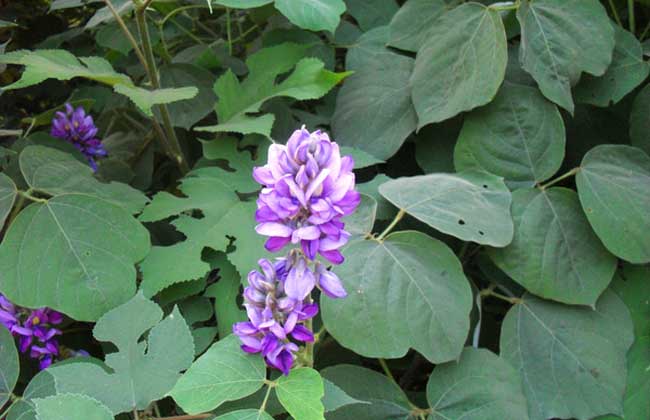
Kudzu root is the dried root of the leguminous plant wild kudzu (Pueraria montana var. lobata), commonly known as wild kudzu. It is harvested in autumn and winter, cut into thick slices or small pieces while fresh, and then dried. Sweet and pungent in flavor, cool in nature, it has the effects of relieving muscle tension and reducing fever, promoting eruption, generating fluids and quenching thirst, and raising yang and stopping diarrhea. It is often used for conditions such as exterior syndrome with fever, stiffness and pain of the neck and back, incomplete eruption of measles, thirst due to febrile disease, yin deficiency with wasting-thirst, heat diarrhea and heat dysentery, and diarrhea due to spleen deficiency.
Wild kudzu is a woody climbing vine with thick, large tuberous roots. Its branches are grayish-brown, with pinnately trifoliolate compound leaves. The raceme inflorescences are axillary, shorter than the leaves, with the peduncle covered in appressed white short pubescence, and the flowers are densely arranged. The pod is oblong, flat, 4 to 10 cm long and about 10 mm wide, densely covered with yellow-brown long stiff hairs, containing 2 to 10 seeds. The flowering period is July to August, and the fruiting period is September to October.
Wild kudzu has strong adaptability. In the wild, it is mostly distributed on sunny and moist hillsides and along roadsides in forest land. It prefers warm, humid environments and has a certain tolerance to cold and drought. It is not very demanding regarding soil. It is produced in most parts of China, mainly distributed in Liaoning, Hebei, Henan, Shandong, Anhui, Jiangsu, Zhejiang, Fujian, Taiwan, China, Guangdong, Guangxi, Jiangxi, Hunan, Hubei, Chongqing, Sichuan, Guizhou, Yunnan, Shanxi, Shaanxi, Gansu and other places.
Wild kudzu has long been used as a food supplement in Asian countries, most commonly taken as tea or medicinal powder. The climate of Southeast Asia is particularly suitable for the growth of wild kudzu. It was first discovered in China and Japan, and was introduced to the United States in the 1930s. In summer, the vines and roots of wild kudzu can be seen growing rapidly every day, and without pruning they may surpass trees, utility poles and buildings.
Kudzu root powder, also called fen ge, has as its medicinal source the tuberous roots of the leguminous plants wild kudzu and sweet kudzu vine (Pueraria thomsonii). It can be divided into kudzu root starch and whole kudzu root powder. The difference between the two lies in the processing technology and the content of medicinal components. It contains 12% flavonoid compounds, such as puerarin, daidzein glycoside, and anthoxanthin, as well as nutrients including protein, amino acids, sugars, and essential minerals for the human body such as iron, calcium, copper and selenium. It is a precious tonic suitable for all ages, and has the reputation of being the “millennium ginseng.” It has both medicinal value and nutritional health benefits.