What does the Xiaohan solar term mean? A detailed explanation
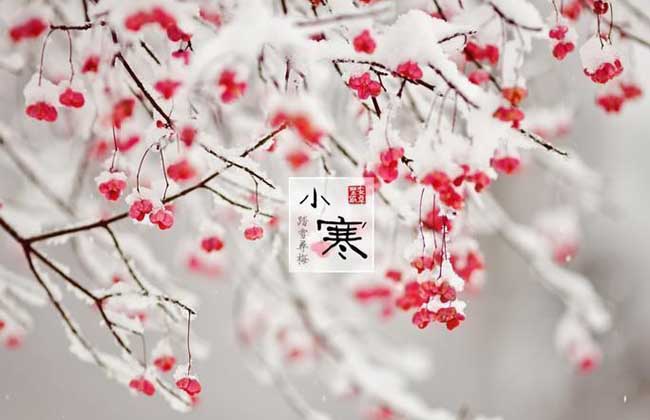
Xiaohan is the 23rd of the 24 solar terms in the lunar calendar, and also the fifth solar term of winter. It marks the official start of the late winter season, when the sun reaches the celestial longitude of 285 degrees. For China, Xiaohan marks the beginning of the solar term with the lowest temperatures of the year; only in a few years is the temperature during Dahan lower than that of Xiaohan. Let us take a look below at what the Xiaohan solar term means!
What does the Xiaohan solar term mean?
When the sun reaches the celestial longitude of 285 degrees, the Xiaohan solar term begins, marking the start of the coldest days of the year. Han means cold, and Xiaohan indicates the degree of cold. Cold air cooling processes are frequent, but few reach the standard of a cold wave. As the saying goes, "cold comes in the sanjiu," and the "sanjiu" mostly falls between January 9 and January 17, which is also right within the Xiaohan solar term, but this is only a general rule; in a few years Dahan may also be colder than Xiaohan.
Climate characteristics of the Xiaohan solar term
During Xiaohan, the average temperature in Beijing is generally around -5°C, with extreme minimum temperatures below -15°C. In the northern part of Northeast China, the average temperature is around -30°C, and the extreme minimum temperature can drop below -50°C, while the average afternoon high is no more than -20°C. In Heilongjiang, Inner Mongolia and areas north of 45°N and the northern Tibetan Plateau, the average temperature is around -20°C, and in the area west of the Hetao near 40°N the average temperature is around -10°C. Along the Qinling Mountains and Huaihe River line, the average temperature is around 0°C; south of this line there is no seasonal frozen soil, and winter crops have no obvious overwintering period. At this time the average temperature in the Jiangnan region is generally around 5°C. Although the fields are still full of life, cold air occasionally moves southward, causing a certain amount of damage.
The Xiaohan solar term and agricultural production
1. During Xiaohan, apart from the southern region needing to pay attention to applying winter fertilizer to crops such as wheat and rapeseed, Hainan and most of South China mainly need to do a good job of cold and frost protection, accumulating and making fertilizer, and building water conservancy projects. On the basis of watering frozen water well before winter, applying sufficient winter fertilizer, and earthing up around the roots, using artificial covering methods in the cold winter season is also an important measure to protect agricultural and forestry crops from freeze damage.
2. When a cold wave or strong cold air arrives, splashing diluted manure water and broadcasting plant ash can effectively reduce the harm of low temperatures to rapeseed. For open-field vegetable plots, crop straw, rice straw and the like can be sparsely scattered over the vegetable beds as long-term winter mulch, which does not affect light and can reduce wind speed among the vegetable plants, block the loss of ground heat, and achieve the effect of heat preservation and frost protection.
3. When low temperatures arrive, add a thicker covering as temporary protection, and promptly remove it after the low temperatures pass. Greenhouse vegetables should get as much sunlight as possible at this time; even in rainy, snowy and low-temperature weather, coverings such as straw curtains outside the greenhouse must not be left unremoved for many consecutive days, lest this affect the normal photosynthesis of the plants, cause nutrient deficiency, and lead to plant wilting and death when the curtains are removed on a clear day.
4. For high-mountain tea gardens, especially those facing northwest and vulnerable to cold wind, cover the canopy with rice straw, weeds or plastic film to prevent wind damage causing dead shoot tips and the direct harm of sandstorms to the leaves. After snow, the snow on fruit tree branches should be shaken off early to avoid strong winds causing the branches and trunks to break.
5. During Xiaohan, continue to do a good job in cultivating spring flower crops, carry out frost and moisture protection work, and strive for a good harvest of spring flowers. Prevent accumulated snow and freezing rain from breaking bamboo forests and fruit trees. Winter has many foggy and windy days, so fishing and aquaculture operations at sea or on rivers and lakes require special attention to safety.