What is best to eat on the winter solstice? Don't miss these traditional foods
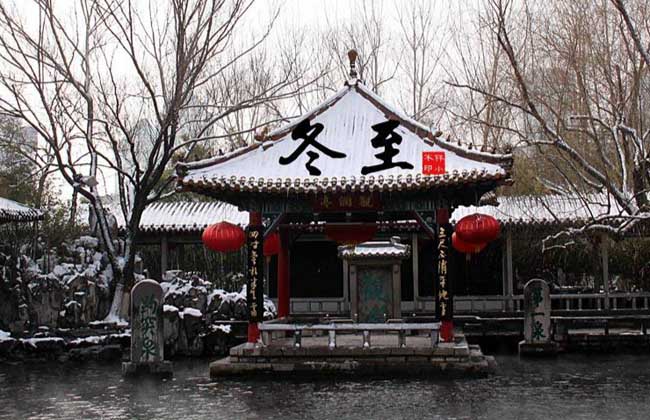
The winter solstice is one of the 24 solar terms and a traditional festival of the Chinese nation. Tonic foods eaten in winter suit the season's "storing" nature, helping the body store enough nutrients and improve physical fitness. After the winter solstice the weather is mainly cold, so tonics tend to be warm and hot in nature, nourishing yang qi to resist cold pathogens. As the saying goes, "food tonics are better than medicine tonics," and some of the foods commonly eaten at the winter solstice are very good at boosting yang and guarding against cold.
What does the winter solstice mean?
The ancients believed that from the winter solstice onward, the yang qi of heaven and earth begins to rise and grow stronger, marking the start of the next cycle, and that it is a day of great auspiciousness. For this reason, customs such as ancestor worship and family gatherings, which later generally appeared during the Spring Festival, often also appeared at the winter solstice. The winter solstice is also called "minor New Year," which shows both that the end of the year is near and that few days remain, and that the winter solstice is important. Observing the winter solstice as a festival originated in the Zhou dynasty, flourished in the Tang and Song dynasties, and has continued to the present day. In the Zhou calendar the first month was the eleventh month of the Xia calendar; therefore the Zhou first month equals today's eleventh month, so paying respects to the new year and celebrating winter were not distinguished. It was only after Emperor Wu of Han adopted the Xia calendar that the first month and the winter solstice were separated. Thus it can also be said that observing a dedicated "winter solstice festival" only began after the Han dynasty, flourished in the Tang and Song dynasties, and has continued to the present day.
Tonic principles for the winter solstice
1. Mild tonics: pork and its liver, kidneys, lungs, etc., eggs, hen, duck, tofu, celery, radish, longan, mushrooms, honey, royal jelly, etc.
2. Nourishing tonics: soft-shelled turtle, crucian carp, dried mussel meat, kelp, jellyfish, pear, orange, apple, banana, lily bulb, sesame, mung bean, adzuki bean, pea, daylily, white fungus, bird's nest, etc.
3. Warming tonics: mutton, beef and the internal organs of both, dog meat, rooster, goose, sea cucumber, squid, venison, jujube, walnut, hyacinth bean, potatoes and taro, scallion, garlic, chives, ginger, broad bean, wheat flour, alcoholic drinks, etc.
Dietary customs of the winter solstice
1. Northern boiled dumplings: Every year on the day of the lunar winter solstice, rich or poor, dumplings are an indispensable festival food. As the saying goes: "On the first of the tenth month, the winter solstice arrives, and every household eats boiled dumplings." This custom was left behind in memory of the "medical sage" Zhang Zhongjing, who gave out medicine at the winter solstice.
2. Mutton soup: The custom of eating mutton at the winter solstice is said to have begun in the Han dynasty. Legend has it that Liu Bang, Emperor Gaozu of Han, ate mutton cooked by Fan Kuai on the winter solstice and found it especially delicious, praising it endlessly. From then on the custom of eating mutton at the winter solstice took shape among the people. People rushed to eat mutton and various nourishing foods on the winter solstice, hoping for a good omen in the coming year. Today in the Tengzhou area of Shandong, this day is called Fujiu, and before the festival gifts such as mutton are given to elders; on Fujiu every household drinks mutton soup, seeking a good omen for the individual, the elders, and the family.
3. Jiangnan rice: In the water towns of Jiangnan, there is a custom on the night of the winter solstice for the whole family to gather and eat adzuki bean glutinous rice together. Legend has it that Gonggong had a worthless son who committed many evils and died on the day of the winter solstice; after death he became a plague ghost and continued to harm the people. However, this plague ghost feared adzuki beans most of all, so people cooked and ate adzuki bean rice on the winter solstice to drive away the plague ghost and prevent disasters and illness.
4. Sweet potato soup fruit: In Ningbo's traditional customs, sweet potato soup fruit is one of the must-eat foods of the winter solstice. "Fan" (sweet potato) and "fan" (to turn over) are homophones, and in the understanding of Ningbo people, eating sweet potato at the winter solstice means "turning over" all the bad luck of the past year. Soup fruit is similar to tangtuan, but much smaller and with no filling. Soup fruit is also called yuanzi, taking the meaning of "reunion" and "completeness." Old Ningbo people also say, "Eat soup fruit, grow one year older."
5. Taiwan rice cake: In Taiwan, China, the tradition of using nine-layer cake to worship ancestors at the winter solstice is still preserved. Glutinous rice flour is kneaded into animals symbolizing good fortune, blessing, prosperity and longevity, such as chickens, ducks, turtles, pigs, cattle and sheep, then steamed in layers in a steamer to worship ancestors, showing that the ancestors are not forgotten. People of the same surname and clan agree on the winter solstice or an earlier date and gather in the ancestral hall, where they worship the ancestors one by one in order of seniority, commonly known as "ancestor worship." After the ceremony, a great banquet is held to entertain the clan members who have come to worship, and everyone drinks heartily and renews ties that have grown distant through long separation; this is called "feeding the ancestors." The winter solstice festival and the ancestors have been passed down through generations in Taiwan, showing that people do not forget their "roots." Radish, green vegetables, tofu, wood ear, etc.
6. Taizhou lei yuan: People in Taizhou, Zhejiang, love good food, and the winter solstice is an important solar term of the year. On this day they make specialty dishes and foods, first to pay respects to the ancestors and pray that the ancestors bless the whole family with peace and good fortune in the coming year. Then the whole family gathers joyfully to drink and eat. Among these, eating "winter solstice yuan" (lei yuan, also called hard lei yuan or fan cao yuan) is an old Taizhou tradition, and lei yuan takes the meaning of round, smooth, and reunion.
7. Suzhou brewed wine: The Gusu region attaches great importance to the winter solstice solar term, and there is a saying in the Gusu region: "The winter solstice is like the great New Year." Traditional Gusu families drink winter-brewed wine on the night of the winter solstice. Winter-brewed wine is a kind of rice wine brewed with added osmanthus, with a pleasant fragrance. While drinking winter-brewed wine freely on the winter solstice night, the people of Gusu also serve various braised dishes such as braised beef and braised mutton. In the cold winter, winter-brewed wine not only drives away cold but also carries the beautiful wishes of the people of Gusu for life.
8. Jiangxi glutinous rice cake: Glutinous rice cake is a specialty of Zhejiang and Jiangxi, and also a traditional snack of Fujian people and an offering used by Fujian people in sacrifices. After being dried in the shade, glutinous rice cake is suitable for steaming, pan-frying, roasting over fire, or stir-frying with sand.
9. Winter solstice noodles: "Eat winter solstice noodles, and the day grows by one thread." In Hefei, Anhui, the custom of eating noodles at the winter solstice is related to the solar term, climate, and farm work. After the winter solstice come the coldest days of the nine periods, with every nine days counting as one nine. In the severe winter when dripping water freezes, only after eating a bowl of steaming hot egg noodles can one consider the winter solstice properly observed.
10. Tangyuan: A Han Chinese folk saying in the Chaoshan region goes: "The winter festival is as big as the New Year," and "If you don't return for the winter festival, you have no ancestors." This means that people who are away must hurry home on the winter solstice to pay respects to their ancestors no matter what, otherwise they are considered to lack a sense of ancestral roots. Compatriots on both sides of the Taiwan Strait value the winter solstice greatly and treat it as a festival of reunion. After eating winter festival yuan, the people of Chaoshan also stick two winter festival yuan on prominent places in the home such as doors, windows, tables, cupboards, ladders and beds, and even on the bow of a fisherman's boat, the horns of a farmer's ox, and the fruit trees grown by fruit farmers.
11. Longan with boiled eggs: The winter solstice was a major festival in ancient times, and Jiaxing places great importance on the winter solstice, with the proverb "The winter solstice is as big as the New Year," preserving ancient customs. According to the Jiaxing Prefecture Gazetteer: "At the winter solstice, ancestors are worshipped, and officials and gentry congratulate one another, as at the New Year ceremony." Folk people advocate tonics at the winter solstice, including adzuki bean glutinous rice, ginseng soup, white fungus, walnut kernels stewed with wine, and longan boiled with eggs. To this day, Jiaxing still carries on the custom of eating "longan with boiled eggs" at the winter solstice. Old people say that because the winter solstice night is the longest of the year, if you do not eat it you will be cold all night and still hungry in the middle of the night.
12. Pumpkin pancakes: Once the winter solstice passes, the New Year is in sight, and people in Hefei eat pumpkin pancakes at the winter solstice; the aroma of pumpkin pancakes fills the streets and alleys, and there is also a proverb that goes, "Eat winter solstice noodles, and the day grows by one thread," meaning that after the winter solstice the nights grow shorter and the days longer.
Tangyuan
Eating tangyuan at the winter solstice is a traditional custom in our country, and it is especially prevalent in Guangdong. Traditional Chinese medicine holds that glutinous rice is sweet in flavor and warm in nature, can nourish the body's vital qi, and after eating it the whole body feels warm, serving to resist cold and nourish the body, making it most suitable for eating in winter. The skin of tangyuan is made from glutinous rice flour, which is white and can nourish the lungs, fitting the five-color tonic theme of "white nourishes the lungs."
Glutinous rice is sweet in flavor and warm in nature, can nourish the body's vital qi, and after eating it the whole body feels warm, serving to resist cold and nourish the body, making it most suitable for eating in winter. Glutinous rice contains protein, fat, carbohydrates, calcium, phosphorus, iron, vitamin B1, vitamin B2, niacin and starch, among others; it is rich in nutrients and is a warming, strengthening food, with effects of tonifying the middle and boosting qi, strengthening the spleen and nourishing the stomach, and stopping spontaneous sweating, and it has a certain alleviating effect on poor appetite and abdominal distension and diarrhea. In addition, it can also relieve symptoms such as night sweats caused by qi deficiency, sagging and distension of the waist and abdomen after pregnancy, and shortness of breath and fatigue after labor injury. Traditional Chinese medicine has always regarded tangyuan as something that tonifies deficiency, regulates blood, strengthens the spleen, and improves appetite.
The filling is mainly fruit ingredients and dried fruits, including sesame, walnut, peanut, hawthorn, etc., and is rich in nutrients. Although tangyuan is good, eating too much can also make you ill. This is because glutinous rice is sticky and difficult to break down, and especially after being made into cakes and pastries, it is even harder to digest. China Eating Network reminds that when eating tangyuan at the winter solstice you should chew carefully and swallow slowly, the amount eaten at one time should not be too much, and you should not eat tangyuan continuously at every meal. Do not eat tangyuan that is too hot, to prevent scalding the mouth and tongue.
Radish
Radish contains protein, sugar, vitamin A, vitamin C, nicotinic acid, and the trace elements calcium, phosphorus, iron, etc. The saccharifying enzyme and mustard oil components contained in radish are of great benefit to the human digestive function. Mustard oil has a pungent taste and can promote gastrointestinal peristalsis, enhance appetite, and help digestion; this function has earned radish the laudatory name "little ginseng."
Radish is sweet and pungent in flavor and cool in nature, with effects of descending qi and calming asthma, relieving cough and resolving phlegm, promoting digestion and relieving distension, promoting urination and bowel movements, and clearing heat and detoxifying. For those suffering from acute or chronic bronchitis or cough with copious phlegm and asthma, wash white radish, slice it or shred it, marinate it with maltose and eat it, and it has the effect of descending qi, resolving phlegm, and calming asthma. When vomiting, pound radish, add honey and water and boil it, then chew and swallow it carefully; it has the effect of harmonizing the stomach, stopping vomiting, and promoting digestion.
Yam
Yam is rich in carbohydrates and protein. According to measurements: every 500 grams of slender hairy yam contains 7.1 grams of protein, 67 grams of sugar, 67 milligrams of calcium, 200 milligrams of phosphorus, 1.4 milligrams of iron, and 296 kilocalories of heat, and it is also rich in vitamin A. It is used for weakness of the spleen and stomach, poor appetite and fatigue, loose stools and chronic diarrhea, malnutrition in children, and weakness of the spleen and stomach. Yam both tonifies qi and nourishes yin, tonifies without causing stagnation, and nourishes without being greasy, making it a commonly used mild tonic for the spleen and stomach.
As for cooking yam, it can be used as a main ingredient or as a secondary ingredient, can be made into hot dishes or cold dishes, can be cooked into sweet dishes or salty dishes, can be "mixed," "quick-boiled," or "stir-fried," and can also be "stewed," "braised," or "roasted"; it can be used to cook ordinary dishes and can also help in making refined high-end dishes. It has the effects of improving dish quality, enhancing the tenderness of dishes, and enriching dish flavors.
Mutton
Mutton is suitable for winter tonics. Mutton is sweet in flavor without being greasy, and warm in nature without being dry, with effects of tonifying the kidney and strengthening yang, warming the middle and dispelling cold, warming and tonifying qi and blood, and improving appetite and strengthening the spleen. Therefore, eating mutton in winter can both resist wind-cold and nourish the body, truly killing two birds with one stone.
When it comes to side ingredients for stewing mutton, most people first think of white radish. Few people know that mutton also has an excellent partner - black beans. China Eating Network reminds that pairing mutton with black beans has many benefits. Mutton and black beans are both ingredients rich in protein, but their sources differ; when stewed together, the animal protein and plant protein can complement each other in amino acids, which is more conducive to the use of protein.
Nuts
Winter is the season for health preservation, suitable for eating more foods with nourishing effects. Nuts are rich in unsaturated fatty acids beneficial to the human body, as well as large amounts of vitamins and trace elements, and are one of the foods experts most recommend for winter. The hazelnut, walnut, almond and cashew introduced here are known as the "world's four great nuts." Whether in terms of nutritional content or taste, they are outstanding among all kinds of nuts, and eating a proper amount more of them in winter will make your body stronger.
Pigeon
As the saying goes, "one pigeon beats nine chickens." Pigeon has high nutritional value, and eating it especially in winter is very suitable for the elderly, the weak and sickly, surgical patients, pregnant women and children. Pigeon is also called white phoenix; the famous Chinese patent medicine Wuji Baifeng Wan is made with black-boned chicken and white phoenix as raw materials. In recent years, squab dishes have become popular in various places, especially in Hong Kong, China, where it is already said that "one pigeon tops nine chickens, and no banquet is complete without pigeon."
Gastrodia stewed squab and papaya white fungus stewed squab: gastrodia, white fungus and the like are themselves excellent tonic medicinal ingredients, and when combined with pigeon meat the nourishing effect is even greater. In addition, dishes such as pigeon kidney claypot rice: after the finger-sized pigeon kidneys are steamed and boiled and paired with sauce seasonings, only those who have eaten them know how delicious the taste is; the tender pigeon eggs, drizzled with fragrant sauce, are said to nourish yin and moisten dryness, making them very suitable for women to eat, and they have now become a fashionable dish at banquets.
Black sesame
Black sesame has the effects of tonifying the liver and kidneys, moistening the five viscera, and boosting qi. It can be used to treat conditions caused by insufficiency of liver and kidney essence and blood, such as dizziness, premature graying of beard and hair, hair loss, soreness and weakness of the waist and knees, weakness of the limbs, deficiency and damage of the five viscera, dry skin and withered hair, and dry intestines with constipation. Its effect in darkening hair and beautifying the face is especially widely praised.
Black sesame and red date porridge is a relatively suitable health-preserving medicinal porridge for the winter solstice solar term. The ingredients are 150 grams of japonica rice, 20 grams of black sesame, 25 grams of dried dates, and 30 grams of white granulated sugar. The specific method is: put the black sesame in a pan, stir-fry over low heat until fragrant, grind into powder, and set aside; rinse the japonica rice clean, soak in cold water for half an hour, remove, and drain; wash the red dates and remove the pits; add about 1500 milliliters of cold water to the pan, put in the japonica rice and red dates, first bring to a boil over high heat, then switch to low heat and simmer; when the rice porridge is thoroughly cooked, stir in the black sesame and white sugar, cook a little longer, and it is ready to be served.
Dog meat
Winter is the season for tonics, and among various tonics people often choose dog meat. Dog meat has the functions of warming the kidney and strengthening yang, and benefiting essence and replenishing marrow. It mainly treats deficiency of kidney yang, spermatorrhea and impotence, low spirits, cold pain in the waist and knees, female infertility, male infertility, and other conditions. Dog meat is delicious and high in nutritional value.
Dog meat is rich in protein, fat, various vitamins, purines, carnosine, creatine and other substances, and has a certain auxiliary therapeutic effect on the human endocrine, digestive, nervous, reproductive and other systems. It can strengthen the human body, improve the body's immunity and digestive function, and enhance sexual ability, among others.
After being cooked according to recipes, dog meat can be used to assist in treating many conditions. For example, 500 grams of dog meat and 100 grams of black beans, seasoned with five-spice powder, ginger, salt, etc., cooked and eaten, can assist in treating frequent night urination, bedwetting, soreness and pain in the waist and knees, and other conditions caused by kidney deficiency. Dog meat cooked with an appropriate amount of star anise, fennel, cassia bark, dried tangerine peel, ginger, salt, etc., has the effect of warming and tonifying the spleen and kidneys, and has a relatively good effect on aversion to cold and fear of cold, cold hands and feet, cold pain in the lower back, impotence, and clear watery vaginal discharge in women caused by deficiency of kidney yang.
Wood ear
Wood ear is deeply welcomed by consumers at home and abroad and enjoys the reputation of "the best meat among vegetables." Wood ear is not only an excellent anti-cancer food, effectively clearing waste and carcinogenic substances from blood vessels and preventing cardiovascular and cerebrovascular diseases, but can also dilute carcinogenic substances in the large intestine, helping to prevent colorectal cancer.
Wood ear contains relatively many trace elements and vitamin B1, B2, carotene, mannose, pentose, xylose, lecithin, cephalin, calcium, iron, etc., and has the effect of preventing blood clotting, preventing cardiovascular and cerebrovascular diseases, and preventing dry and hard stools. Traditional Chinese medicine holds that wood ear is neutral in nature and sweet in flavor, with effects of tonifying qi, benefiting intelligence, and generating blood, and is effective for anemia, soreness and weakness of the waist and legs, and numbness of the limbs.
Milk
Milk is one of the best sources of nutrients for the human body and is an excellent calcium supplement in winter, containing the 9 essential amino acids for the human body. The fat particles in milk are small and in a highly dispersed state, with a high digestion rate. The carbohydrate in milk is mainly lactose, which is conducive to the reproduction of lactic acid bacteria and inhibits the growth of putrefactive bacteria. Traditional Chinese medicine holds that milk is sweet and neutral in flavor, with effects of tonifying deficiency and nourishing the body, promoting fluid production and moistening the intestines, and relieving thirst, among others.
The calcium and phosphorus in milk are not only abundant but also in a relatively appropriate ratio, and are most easily absorbed by the human body. They are the best calcium source for constituting the human body and promoting growth and development. Milk can not only promote the healthy growth of adolescents but also give a helping hand to the health and longevity of middle-aged and elderly people. The nutritional characteristics of milk precisely suit the needs of the elderly, thus making it the best food for elderly health care.
Black beans
Black beans have the highest protein content among all kinds of beans. The fat they contain is mainly monounsaturated fatty acids and polyunsaturated fatty acids, with essential fatty acids accounting for 50%, and they also contain phospholipids, soy isoflavones, and biotin. Eating black beans will not cause high blood lipids and also has the effect of lowering cholesterol. Traditional Chinese medicine holds that black beans are neutral in nature and sweet in flavor, with the functions of moistening the intestines and tonifying blood.
Black beans are rich in vitamins, lecithin, riboflavin, etc., among which the content of vitamin B and vitamin E is very high, and the content of vitamin E is 7 times higher than that of meat. Traditional Chinese medicine holds that "black beans are the grain of the kidney," with effects of tonifying the liver and kidneys, strengthening tendons and bones, warming the stomach and intestines, improving eyesight and invigorating blood, and promoting urination and detoxifying, and they are also an excellent product for moisturizing the skin and darkening beard and hair.
Black beans are generally eaten by grinding them into soy milk. Using a soy milk machine that can make five-grain soy milk, put in some black rice, black beans, soybeans, mung beans, and adzuki beans together as multiple ingredients; you can also add some black beans ground into powder, and the soy milk made is fragrant, rich, and delicious.
Black rice
Black rice is a treasure among rices and has long enjoyed reputations such as "tribute rice" and "longevity rice," with special nutritional value. The reason black rice's color differs from other rices is mainly that its outer cortex contains anthocyanin pigments that resist aging. The darker the color of the rice, the stronger the anti-aging effect of the epidermal pigment. In addition, this pigment is also rich in flavonoid active substances, equivalent to as much as 5 times that of white rice, and is of great benefit in preventing arteriosclerosis.
Long-term consumption of black rice can not only promote sleep but also treat dizziness, vertigo, anemia, white hair, eye diseases, and soreness and weakness of the waist and legs. In addition, black rice also has a certain effect on tonifying blood, relieving pain, and treating internal and external injuries. If postpartum women eat more black rice foods, their bodies can recover sooner, and it also has a very good effect on white hair in children.
It is suggested that black rice porridge can be cooked and eaten regularly. In winter, black rice should be soaked for two days and two nights, then cooked in a pressure cooker, and it is ready to eat in only about 20 minutes. The water used to soak the rice should be cooked together with the rice and must not be discarded, in order to preserve its nutrients. Generally speaking, black japonica rice and black glutinous rice have the best taste when used to make porridge. When making porridge with black indica rice, it is best to add some glutinous rice to increase the viscosity. Besides porridge, black rice can also be made into snacks, such as tangyuan, zongzi, and bread.