On which month and day does the Start of Winter solar term fall each year?
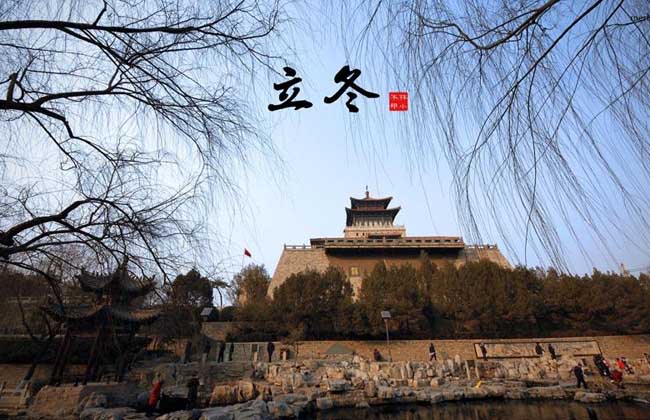
The Start of Winter is one of the 24 solar terms of the lunar calendar and also one of the traditional Han Chinese festivals. It falls between November 7 and 8 on the Gregorian calendar each year, when the sun is at 225 degrees of celestial longitude. After the Start of Winter, daylight hours will continue to shorten and the sun's noon altitude will continue to decrease. Let's take a look below at the date of the Start of Winter in 2016!
What date is the Start of Winter?
In 2016, the Start of Winter fell on November 7, 2016, the eighth day of the tenth lunar month in the Year of the Monkey (Bingshen year). It is suitable for demolishing houses, tearing down walls, seeking medical treatment, curing illness; other matters should not be undertaken. It is unsuitable for marriage and burial.
Climatic characteristics of the Start of Winter
In astronomy, the "Start of Winter" is regarded as the beginning of winter. According to climatological divisions, winter arrives in our country about 20 days later. During the Start of Winter period, the sun has reached 225 degrees of celestial longitude, and the Northern Hemisphere where we are located receives less and less solar radiation. However, because the heat stored in the ground during the summer half-year still has some energy left, it generally is not too cold yet, though temperatures gradually drop. On clear, windless days, mild and comfortable "Indian summer" weather often occurs in the tenth lunar month.
Agricultural activities during the Start of Winter
1. Autumn harvest and winter planting: The Start of Winter is a great time for autumn harvest and winter planting. All regions should make full use of fine weather to harvest, sun-dry and air-dry late rice well to ensure storage quality. Winter wheat sowing should be done promptly; pay attention to weather forecasts and make good use of favorable weather. Sowing early in the rain is not as good as sowing slightly later when there is a clear spell, so as to ensure sowing quality, strive for overwintering with tillers, prevent jointing within the year, and expand winter planting area as much as possible to reduce idle fields. All regions should do a good job in winter planting, winter water conservancy repair, and winter fertilizer accumulation.
2. Vegetable farming: After the Start of Winter, greenhouse construction should be completed in a timely manner. At the same time, manage greenhouse vegetables well. When daytime temperatures are high, the film can be opened on the leeward side for ventilation, and at night attention should be paid to sealing the greenhouse well. In North China and the Huang-Huai region, when the daily average temperature drops to around 4°C and the field soil freezes at night and thaws during the day, seize the opportunity to irrigate winter water for wheat, vegetables and orchards, so as to supplement insufficient soil moisture, improve the field microclimate, prevent "drought adding to the severity of cold," and reduce and avoid frost damage. In the regions south of the Yangtze River and South China, promptly opening "high-yield ditches" in the fields and clearing ditches for drainage are important measures to prevent waterlogging and freezing damage in winter.
3. Livestock farming: For autumn epidemic prevention of live pigs, focus on booster vaccinations. For farm cattle, strengthen grazing and let them eat enough forage. Before winter arrives, carry out a deworming treatment. When grazing, try to let goats eat enough forage to gain more weight. For autumn breeding of Angora rabbits, those not yet mated should be mated in time. Those withgoose raisinghabits should quickly introduce goslings for rearing. Raising them to 70 days of age coincides exactly with the Spring Festival, and they can be sold at a good price.