When is Grain in Ear? Introduction to the exact time of the Grain in Ear solar term
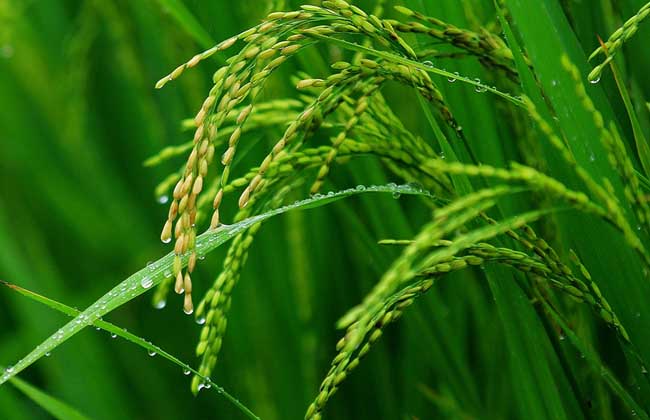
Grain in Ear is the 9th solar term of the 24 traditional Chinese solar terms and the third solar term of summer. It marks the official start of midsummer. The Grain in Ear solar term begins when the sun reaches the celestial longitude of 75 degrees. Its literal meaning is “awned wheat is ready to harvest, awned rice is ready to plant.” Now let us take a look at when Grain in Ear falls!
When is Grain in Ear?
In 2016, Grain in Ear fell at 13:48:28 on June 5, 2016, the first day of the fifth lunar month of 2016 (a short month). In 2017, Grain in Ear fell at 19:36:33 on June 5, 2017, the 11th day of the fifth lunar month of 2017 (a short month).
Regional farming times for Grain in Ear
1. Northeast: Irrigate and topdress winter and spring wheat. Finish transplanting rice seedlings. Thin millet, corn, sorghum, and cotton seedlings. Complete the first hoeing and ridging for soybeans and sweet potatoes. Give sorghum, millet, and corn two hoeings and ridgings. Strip leaves from cotton, hoe weeds in rice fields, prepare topdressing, prevent and control pests and diseases, and do a good job of hail prevention.
2. North China: General wheat fields begin harvesting. Seize both summer harvest and summer planting at the same time. Strengthen cotton field management, control aphids, water, and topdress. Northwest region: Prevent and control pests and diseases in winter wheat. Water spring corn, cultivate, hoe weeds, and topdress. Cultivate and hoe weeds in millet, thin seedlings, sow broomcorn millet, inspect seedlings, and fill gaps.
3. Southwest: Rush to plant spring crops and transplant rice in time. Harvest summer-ripening crops during clear weather. Harvest, plow, and plant in succession. Central China: Harvest wheat during clear weather and select and keep wheat seed. Rush to plant summer corn, summer sorghum, summer soybeans, sesame, and so on. Topdress mid-season rice, and at the late tillering stage combine cultivating and ridging with draining and sun-drying the field. Strengthen management of single-crop late rice and carefully remove impurities.
4. North China: Wheat-stubble rice and single-crop late rice between the Huai River and the Yangtze River begin transplanting. Raise seedlings for double-crop late rice. Prevent and control rice field pests and diseases. Earth up and hoe weeds in forest land.
5. South China: Topdress early rice, and cultivate and topdress mid-season rice. Sow late rice, harvest early corn, harvest early soybeans, and sow late soybeans. For spring- and winter-planted sugarcane and ratoon sugarcane, cultivate and topdress, earth up lightly, and control aphids.
Grain in Ear and agricultural production
Grain in Ear indicates the busiest season for the ripening and cultivation of awned summer-ripening crops such as wheat. In normal years, the plum rain season begins in mid-June. The half month from Grain in Ear to Summer Solstice is the peak busy period of the “three summers”: sowing, transplanting, and seedling-stage management of autumn-ripening crops, along with fully entering summer harvest, summer planting, and summer cultivation.
1. Farming and agricultural tasks: Promptly rush to harvest summer-ripening crops still in the field, such as wheat, broad beans, and peas, so as to achieve a bumper harvest and store every grain. In the first and middle ten days of the month, heavily apply ear-setting fertilizer to corn, do a good job of earthing up roots to prevent lodging, and control the Asian corn borer. Spray rice seedling fields with a standing-up medicine, transplant in the middle and last ten days of the month, control rice weevils in direct-seeded rice and thrown-seedling rice, and in early-planted fields control pests and diseases such as the striped stem borer and leaf blast. For cotton, cultivate and loosen the soil, hoe weeds, manage the bud stage well, control pests such as mirids, cotton aphids, and red spiders, apply organic fertilizer to strive for more bolls, repair the drainage system of cotton fields, and prevent waterlogging from rain. In the first and middle ten days of the month, rush to plant summer soybeans and peanuts, and topdress spring soybeans with flower-and-pod fertilizer. Topdress spring sweet potatoes, cultivate and hoe weeds, earth up and fill gaps, and take cuttings of summer sweet potatoes. Apply the finishing fertilizer for mint well. Sow vegetables such as cowpeas, amaranth, and bok choy, strengthen field management of eggplant, melon, and legume vegetables, prevent and control pests and diseases, and carry out harvesting for market and seed retention. Strengthen summer epidemic prevention for poultry and livestock, management of adult fish rearing, summer pruning and summer fertilizer application in mulberry fields, overhaul river and sea dike projects and irrigation and drainage machinery, and pay attention to flood prevention and drought prevention.
2. Vegetable farming
① Greenhouse vegetables: Increase ventilation and lower the greenhouse temperature. On sunny days, open the greenhouse door and the film on the east and west sides day and night for ventilation; on rainy days, cover the film at the ventilation openings to prevent rain from leaking into the greenhouse, and ventilate promptly after rain. Continue to do a good job of topdressing with fertilizer and water, removing diseased and old leaves, pruning and tying vines, and strengthening pest and disease control. After harvesting is finished, promptly clean the greenhouse. Clear melon and vegetable plants and branches and leaves out of the greenhouse and burn or bury them.
② Open-field vegetables: There are many varieties of melons and vegetables grown in the open field, most of which are in the peak period of harvesting and vegetative growth. Fine cultivation and management should be carried out according to the cultivation technical requirements of different melon and vegetable varieties. Fruit vegetables entering the harvest period should be topdressed once every 7-10 days; water promptly in drought, drain promptly after rain, and at the same time do a good job of pruning, tying vines, removing old and diseased leaves, and strengthening pest and disease control. Do a good job of raising seedlings for autumn eggplant and autumn chili peppers.
3. Livestock farming
① Keep poultry and livestock cages and sheds clean and hygienic to enhance the disease resistance of poultry and livestock during the plum rain season. Manure in the cages and sheds should be cleaned and transported out. Cattle should preferably be kept penned during rain to prevent them from getting soaked and having their body temperature lowered, which can cause colds. For cattle not yet bred, breed them quickly before the hot weather arrives. This is a good time to fatten sheep, but absolutely do not let sheep graze or rest in wet, muddy places, so as to avoid rheumatism.
② Angora rabbits and meat rabbits are even more afraid of the humid climate of the plum season. First, the rabbit shed should be dry and clean, and a layer of plant ash or lime should be spread on the floor of the rabbit cages. Second, forage must be dried before feeding, and green grass with mud and water must not be used. Third, place some hard charcoal in the feed trough for the rabbits to eat, so as to absorb water in the gastrointestinal tract and prevent diarrhea. Fourth, young rabbits are prone to coccidiosis infection during the plum rain season, so coccidiostat powder can be added to the compound feed for prevention, ensuring there is no foul odor, no accumulated filth, and no pests in the shed.
③ Strengthen prevention and control of diseases such as influenza virus and dysentery.
④ Purchase free-range poultry in time and provide appropriate insulation at night.
4. Fruit tree farming
① Citrus: Continue to do a good job of fruit retention and guard against fruit drop caused by abnormally high temperatures. Remove summer shoots and thin out some slender branches and overly dense branches. Strengthen control of scale insects, whiteflies, mites, black spot disease, and anthracnose, manually catch longhorn beetles, and scrape off insect eggs and larvae. Cultivate and hoe weeds, and shallowly turn the orchard soil.
② Chinese bayberry: To control brown spot disease, leaf roller moths, fruit flies, and so on, at the beginning of the month spray with 25% chlordimeform at 800 times dilution, or 20% fenvalerate at 3000 times plus thiophanate at 800 times or carbendazim at 1000 times. When the fruit ripens, trap and kill adult fruit flies to prevent fruit worms. Begin scraping and killing longhorn beetle eggs and larvae at the base of tree trunks. For young trees, carry out summer bud removal and pinching, and prune dead branches.
③ Grapes: Continue to drain standing water and improve disease resistance. Continue to control pests and diseases such as black pox, anthracnose, downy mildew, and clearwing moths. Skillfully apply fruit-strengthening fertilizer and foliar topdressing. Strengthen shoot management.
④ Loquat: Harvest in time. Clear ditches and drain water. Apply post-harvest fertilizer. Prune. Control pests such as yellow hairy caterpillars and angular tussock moths.
⑤ Pear trees: Continue to control pear scab, black spot, ring rot, pear lace bugs, aphids, and slug moths. Continue bagging, which should be completed before the first ten days of June. Continue to combine pesticide spraying with foliar fertilization. After rain, apply quick-acting fertilizer to strengthen fruit and shoots. Strengthen ditching and drainage. Strengthen summer pruning by cutting out water sprouts, crossing and overlapping branches, overly dense branches, and dead branches.
⑥ Peach trees: For mid- and late-maturing varieties, continue bagging at the beginning of the month. Harvest early-maturing varieties, apply supplementary fertilizer after harvest, and topdress mid- and late-maturing varieties according to tree condition. For summer pruning, mainly pinch the tips and cut out water sprouts, which should be completed by mid-June. Control slug moths, pear lace bugs, and scab, and catch adult longhorn beetles. Combine pest control with foliar topdressing. Open ditches for drainage and improve disease resistance.