What is the difference between salamander toxin and pufferfish toxin?
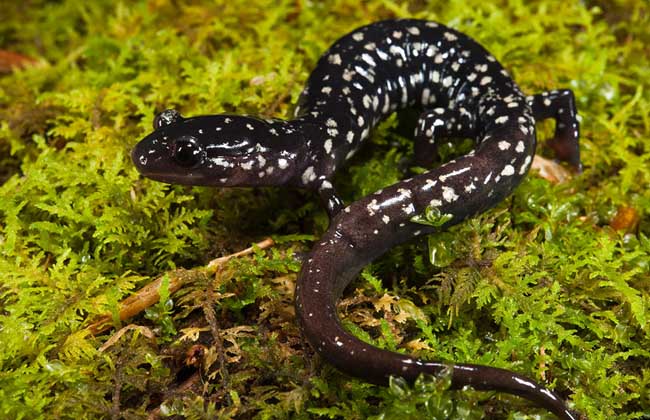
Salamanders are tailed amphibians with a body shape similar to lizards; most have bright, beautiful coloration, but they are toxic. Pufferfish toxin is an alkaloid contained in the bodies of pufferfish (commonly known as puffer fish) and other organisms. Its molecular formula is C11H17O8N3, and its molecular weight is 319. Let's take a look below at the difference between salamander toxin and pufferfish toxin!
The difference between salamander toxin and pufferfish toxin
In the very small glands of salamanders, there is a deadly bacterium, and they can use this bacterium to produce a toxin. This toxin is tetrodotoxin; it is not merely similar, but has a completely identical molecular structure. TTX is a commonly occurring toxin, and because some organisms at the top of the food chain accumulate it in large amounts, it becomes a “biochemical weapon.” Since pufferfish are the typical carrier, it is called pufferfish toxin. When a salamander is attacked, it immediately secretes this deadly neurotoxin.
Which animals contain pufferfish toxin?
In the late 1970s, people had already confirmed that the toxin in salamanders is tetrodotoxin. Since then, other organisms containing this highly toxic substance have been discovered one after another, including flatworms, parrotfish, starfish, marine nematodes, arrow worms, sea squirts, angelfish, fan crabs, nemertean worms that live on artificially farmed oysters, triton snails, and other gastropods. In addition, there is the American toad genus Atelopus frog, a mottled-colored tropical “poison dart” frog. Recently, people have also found tetrodotoxin in the bodies of 3 species of clingfish from Taiwan, China.
Exactly how strong is the toxicity of pufferfish toxin?
1. Pufferfish toxin is an amino perhydroquinazoline-type compound and is one of the most toxic neurotoxins found in nature. It was once considered the most toxic non-protein toxin in nature. Its LD50 by intraperitoneal injection in mice is 8 micrograms/kg. Its toxicity is more than 1250 times higher than that of cyanide, and 0.5 mg can cause human death. The toxin has a local irritating effect on the intestinal tract. After absorption, it rapidly acts on nerve endings and the nerve center, and can block sodium ion channels on nerve excitable membranes with high selectivity and high affinity, hindering nerve conduction, thereby causing nerve paralysis and death.
2. Pufferfish toxin is very stable in both chemical and thermal properties. General cooking methods such as salting or sun-drying cannot destroy it. It can be decomposed only by heating at high temperature for more than 30 minutes or under alkaline conditions. Heating at 220°C for 20 to 60 minutes can completely destroy the toxin. The incubation period of poisoning is very short, ranging from as short as 10 to 30 minutes to as long as 3 to 6 hours before onset. The onset is acute. If rescue is not timely, death can occur as quickly as within 10 minutes after poisoning, or at the latest 4 to 6 hours. After poisoning, there is also a lack of effective rescue measures. The pure toxin has a wide range of uses in medicine and has extremely high commercial value.
3. There is no specific antidote for pufferfish toxin at home or abroad, and comprehensive symptomatic treatment measures are generally used, such as early administration of 100 ml of 1% copper sulfate to induce vomiting, gastric lavage with 1:5000 potassium permanganate or 0.2% activated carbon suspension, and intravenous injection of hypertonic or isotonic glucose solution to promote the excretion of the toxin as quickly as possible and maintain respiration. High-dose use of tropane drugs including atropine, scopolamine, anisodamine, and anisodine has a significant effect on treating puffer fish poisoning. For those with muscle paralysis, intramuscular injection of 2 ml of 1% strychnine hydrochloride and vitamin B2 and B6 can relieve paralysis. Intravenous injection of caffeine, lobeline, and sodium thiosulfate together with normal saline also has a significant therapeutic effect. At the same time, symptomatic treatment measures such as fluid supplementation can be taken.