Master 3 rules for potted spider plants and the leaves will grow lush and green
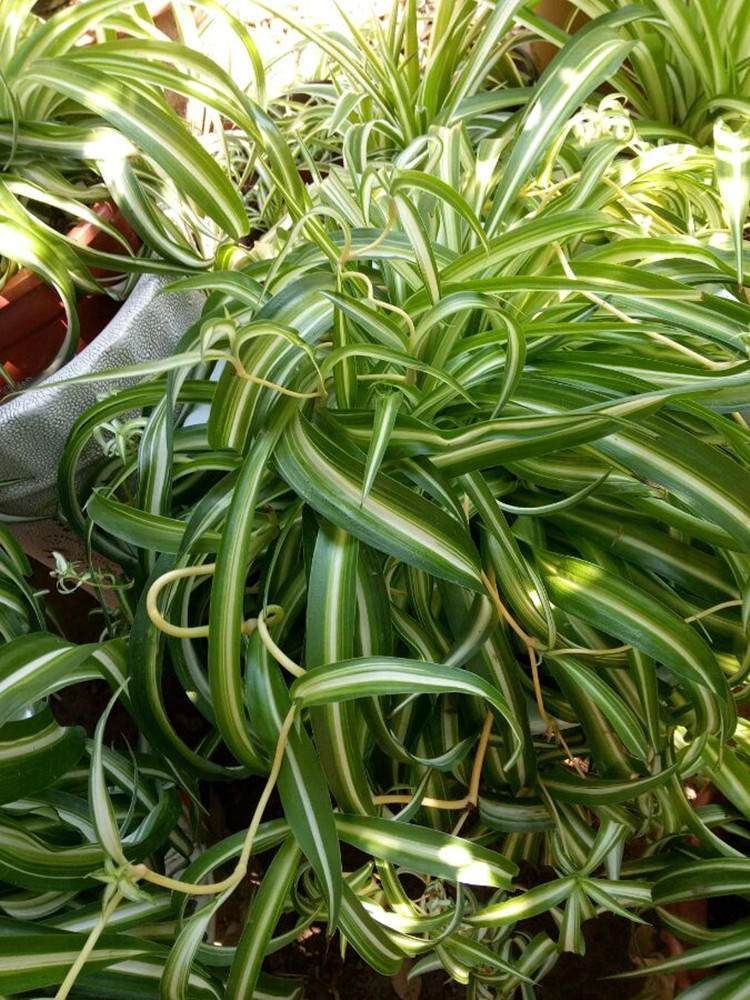
Spider plant (Chlorophytum comosum), with tender fresh green leaves, stays evergreen all year round. Gardeners can keep a few pots, place them on stands or hang them by the window, where they cascade elegantly and look lovely. In addition, keeping a pot of spider plant indoors can absorb harmful gases and keep the air in the room fresh. So how do you grow spider plants so the leaves stay green?
In fact, spider plants are not hard to grow. If you want the leaves to stay green, you only need to master a few "rules".
1. Growth rules
Spider plants like warmth and fear the cold, and they thrive in semi-shaded, humid environments and in loose, fertile soil.
2. Cultivation rules
Placement: When growing spider plants, move them outdoors to a semi-shaded spot after spring, or you can keep them indoors for a long time in a ventilated spot by a window.
Fertilizing: Summer and autumn are the growing season. Apply a general-purpose organic fertilizer for green plants 1 to 2 times a month, diluted 500 times for watering the roots and 1000 times for spraying the leaves, and they will grow vigorously, sending out many runners and small spider plants from the base of the leaf rosette.
Watering: Spider plants are fairly shade-tolerant and like to grow in a damp, shaded environment. During the growing season the potting soil should be slightly on the moist side, but drainage must be good and waterlogging must be avoided, otherwise the leaf tips easily scorch. Avoid harsh sun exposure and letting the potting soil get too dry.
Potting soil: For potted spider plants, the soil is not fussy, but generally loose, fertile soil is best. For large plants, repot and change the soil once every 1 to 2 years. Pay attention to pruning at ordinary times, cutting off dead leaves to keep the plant's shape attractive.
3. Rules for yellowing leaves
If a spider plant is exposed to harsh sun in summer, or frosted in winter, the leaf tips will scorch, which then makes the whole leaf turn yellow and scorched. In winter, when keeping it indoors to protect it from freezing and keep it warm, the potting soil should be on the dry side and fertilizing should be paused. If the potting soil is too wet, or drainage is poor, the leaves will also turn yellow, causing the spider plant to scorch. Of course, during the winter, if the potting soil stays dry for a long time, the leaves will also turn yellow and scorch. Therefore, when caring for them, gardeners need to avoid harsh sun and frost damage.