What is the difference between white sesame and black sesame?
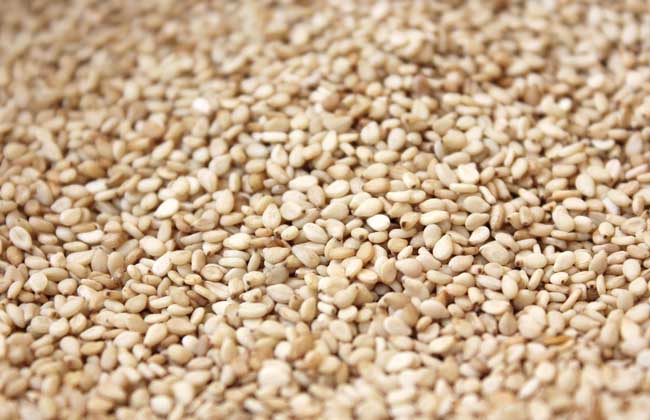
Sesame is the standout among China's four major oilseed crops and one of the country's main oil crops. The oil extracted from sesame seeds has a fragrant aroma and is also called sesame oil; it can be used as cooking oil and also for medicinal purposes. But sesame comes in black and white varieties, so let's take a look below at what the differences are between white sesame and black sesame!
The difference between white sesame and black sesame
Sesame comes in two kinds, black and white: the black one is called black sesame (Hei Zhi Ma) and the white one is called white sesame (Bai Zhi Ma). Black sesame is a mild nourishing and strengthening agent containing fatty oils, with moisturizing and nourishing benefits, and it also has a therapeutic effect on high blood pressure. From the perspective of nutritional science, both black sesame and white sesame are nutrient-rich foods, and in terms of fat they can be considered abundant in quantity and excellent in quality. The fat content of black sesame is 46%, and that of white sesame is 40%, both of which are high. The vitamin E content is also high: black sesame has 50 mg, and white sesame has 38 mg. In terms of the potassium-to-sodium ratio, black sesame is 43:1 and white sesame is 8:1, so regularly eating black sesame is beneficial for preventing or relieving high blood pressure. Sesame is a food high in dietary fiber: black sesame contains 28% and white sesame 20%, which is clearly an important reason why sesame lubricates the intestines and promotes bowel movements.
The nutritional value of white sesame
1. White sesame contains a large amount of fat and protein, as well as carbohydrates, vitamin A, vitamin E, lecithin, calcium, iron, magnesium and other nutrients; the linoleic acid in white sesame helps regulate cholesterol.
2. White sesame is rich in vitamin E, which can prevent the harm of lipid peroxides to the skin, offset or neutralize the accumulation of harmful free radicals in cells, make the skin fair and moisturized, and help prevent various skin inflammations.
3. White sesame also has the effect of nourishing the blood; it can treat dry, rough skin and make the skin delicate, smooth, rosy and radiant.
The nutritional value of black sesame
1. Improving fertility: black sesame is rich in vitamin E, and in addition to its good antioxidant effect, vitamin E also has a good promoting effect on human reproductive function. In men it can increase sperm count and enhance sperm motility, and in women it can raise estrogen concentration, which is why it is also called "tocopherol." Black sesame is also rich in magnesium, which is very important for men, because magnesium can improve sperm motility and enhance male fertility, so it is also called men's "health element."
2. Calcium supplementation: there are many calcium supplement products on the market, and although advertisements claim their absorption rates are very high, the actual results may be far different. From a scientific point of view, it is still best to supplement calcium through food. When people think of improving calcium intake through food, they easily think of milk and eggs, but they do not realize that the calcium content of black sesame is far higher than both: every 100 grams of black sesame contains nearly 800 mg of calcium, while every 100 grams of milk contains only about 200 mg of calcium. This shows that black sesame is truly an excellent choice for calcium supplementation.
3. Lowering blood pressure: the causes of high blood pressure are many, and one very important one is a high-salt diet. Nutrition experts recommend that each person consume no more than 6 grams of salt per day, but in real life the vast majority of people cannot achieve this, so recommending a high-potassium diet becomes very important, because one of the main roles of potassium after it enters the human body is to promote the excretion of sodium. Black sesame is rich in potassium: every 100 grams of black sesame contains a high amount of potassium and much less sodium, with a potassium-to-sodium ratio close to 40:1, which is very important for controlling blood pressure and maintaining heart health.
4. Darkening and nourishing the hair: modern research has proven that reduced melanin secretion by melanocytes in hair follicles is the main cause of gray hair, and a decrease in the amount of tyrosinase is one of the pathological mechanisms. Studies have found that the water extract of black sesame can promote the expression of tyrosinase, thereby increasing melanin synthesis, so gray hair can become black and glossy again.
5. Beautifying the face and moisturizing the skin: research suggests that reducing the production of free radicals, clearing aging metabolic products and increasing antioxidant enzyme activity are effective ways to delay skin aging. Black sesame is rich in natural vitamin E, with a content ranking at the top among plant foods. Vitamin E is a good antioxidant, and appropriate supplementation with vitamin E can moisturize the skin and improve appearance. In addition, sesame is one of the four major oil crops, and most of the oil in black sesame is unsaturated fatty acids, with linoleic acid accounting for about half.
7. Weight loss and body shaping: black sesame can help with weight loss and body shaping. Black sesame contains substances that prevent the body from gaining weight, such as lecithin, choline and inositol, so eating more sesame will not make you fat. When dieting to lose weight, if black sesame is also eaten, rough skin can be improved.
8. Anti-aging: black sesame can resist aging. Every 100 grams of black sesame contains 21.9 grams of protein, 61.7 grams of fat, 564 mg of calcium, 368 mg of phosphorus, 50 mg of iron, and also nutrients such as sesamin, arachidic acid, sesamol, oleic acid, palmitic acid, stearic acid, sterols, lecithin, and vitamins A, B, D, and E. Precisely because black sesame contains such rich nutrients, it plays a great role in delaying human aging and in beauty care.