Is the weasel a protected animal? Understanding the relevant regulations in one article
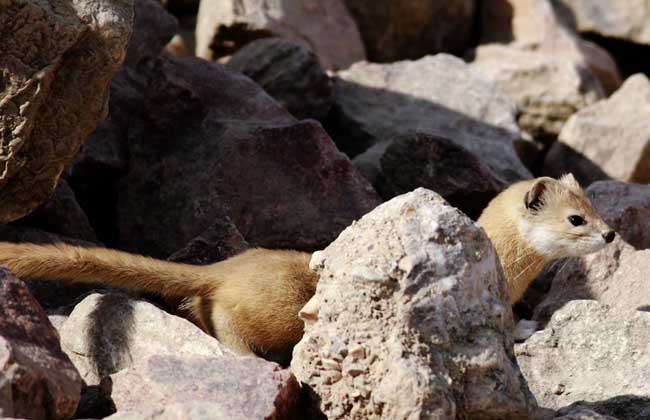
The scientific name of the weasel is the yellow weasel (Siberian weasel, Mustela sibirica), a carnivorous mammal of the rodent-eating family. It is mainly nocturnal, often inhabits hillsides or shrubs, can climb trees or enter water, has a very keen sense of smell but poor eyesight, and has a fierce temperament, often killing more prey than it can eat. Let us take a look below at whether the weasel is a nationally protected animal!
Is the weasel a protected animal?
The weasel is a protected animal, but it is not a nationally key protected animal; it belongs to the “three haves” category, namely animals that are beneficial or have important economic or scientific research value. According to the provisions of the Wildlife Protection Law of the People's Republic of China, “three haves” wild animals are subject to the provisions of this law. Overall, it is still protected by law, just at a lower level.
What food does the weasel eat?
The yellow weasel has a very omnivorous diet. In the wild, it mainly feeds on mice and hares. Although hares run very fast over short distances, in a long high-speed chase they will eventually be caught due to fear and exhaustion, have their necks bitten through, and become victims of the yellow weasel. It also eats bird eggs and chicks, fish, frogs and insects. Near homes, it often raids poultry at night, first sucking their blood, then eating the internal organs and body, and it has a craving for blood. It uses its stink glands to release a foul odor for self-defense. According to surveys, each yellow weasel can prey on 6 to 7 mice in one night.
The living habits of the weasel
1. The weasel is a nocturnal animal, especially active in the early morning and at dusk, and sometimes also active during the day. It usually moves alone. It is good at running, can move forward pressed close to the ground, squeeze through cracks and burrows, and can also swim, climb trees and walls, etc. Apart from the breeding season, it generally has no fixed den, and usually hides under piles of firewood and grass, in piles of rubble, in wall holes and other places.
2. In winter, the weasel often follows the migration of rodents and sneaks into the vicinity of villages, building nests in stone caves and tree holes. It is good at climbing to high places and swimming in water, and can also leap high and dart low, chasing its prey like lightning among the rubble of dry ditches. It is highly alert and always maintains a state of high vigilance, so it is very difficult to take a weasel by surprise. Once pursued by a dog or a person, when there is no way back and no way to escape, the weasel will fiercely launch a desperate counterattack against the intruder, appearing fearless and very fierce.
3. The weasel and other members of its family also have another weapon for driving off enemies, namely a pair of soybean-shaped stink glands on both sides of the anus. While fleeing, they can shoot out an unbearable foul secretion from the stink glands. If the pursuing enemy is hit in the head by this secretion, it will cause poisoning; in mild cases there will be dizziness, nausea and vomiting, and in severe cases the victim may fall to the ground and remain unconscious.