What is the difference between Spanish mackerel and sardines? A quick guide to telling them apart
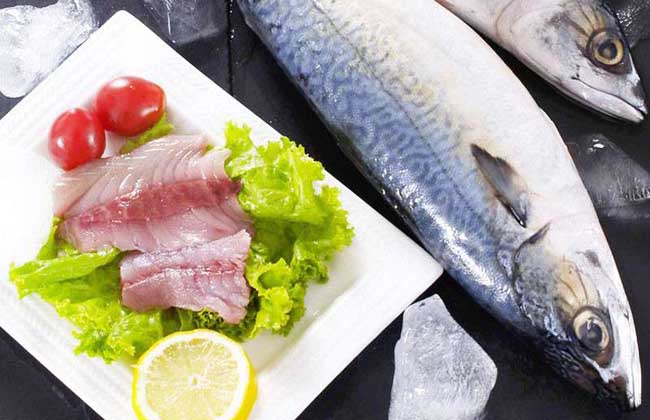
The scientific name of the Spanish mackerel is Scomberomorus niphonius, commonly known as swallow fish, banba, bamboo mackerel, pointed-head Spanish mackerel, green arrow, and so on. It is found in the Bohai Sea, Yellow Sea and East China Sea of China. Sardines are the collective name for the genus Sardina, the genus Sardinella and the genus Sardinops of the family Clupeidae, order Clupeiformes, class Osteichthyes, as well as certain edible fish of the family Clupeidae. Let us take a look below at the differences between Spanish mackerel and sardines!
The difference in family and genus between Spanish mackerel and sardines
1. Spanish mackerel: The Spanish mackerel is a warm-water upper-layer fish of the animal kingdom, phylum Chordata, subphylum Chordata, class Osteichthyes, order Perciformes, family Scombridae, genus Scomberomorus.
2. Sardine: The sardine is a coastal warm-water fish of the animal kingdom, phylum Chordata, subphylum Vertebrata, class Osteichthyes, subclass Actinopterygii, order Clupeiformes, family Clupeidae, genus Sardina, genus Sardinella and genus Sardinops.
The difference in morphology between Spanish mackerel and sardines
1. Spanish mackerel: The body of the Spanish mackerel is long and laterally compressed, spindle-shaped. The typical body length is 25-50 cm and the weight is 300-1000 g; the largest individual can reach 1 m in length and over 4.5 kg in weight. The caudal peduncle is slender, with 3 raised ridges on each side, of which the central ridge is long and the highest. The head length is greater than the body depth. The mouth is large and slightly oblique; the teeth are sharp and large, sparsely arranged. The body is covered with small cycloid scales, and the lateral line is irregularly wavy. There are black round spots in the center of the body sides. There are 2 dorsal fins; the first dorsal fin is long with 19-20 spines, and the second dorsal fin is shorter. There are 8-9 finlets behind both the dorsal fin and the anal fin. The pectoral and pelvic fins are short and small, without hard spines. The caudal fin is large and deeply forked.
2. Sardine: The sardine is a slender, silver-colored small fish. The dorsal fin is short and there is only one; there is no lateral line, and the head has no scales. The body length is about 15-30 cm. It lives in dense schools and migrates along the coast, feeding on large amounts of plankton. It mainly spawns in spring, and the eggs and the larvae that hatch a few days later drift with the water until they metamorphose into free-swimming fish.
The difference in origin between Spanish mackerel and sardines
1. Spanish mackerel: The Spanish mackerel is distributed in the western North Pacific. In China it is produced in the East China Sea, Yellow Sea and Bohai Sea. The main fishing grounds are Zhoushan, the offshore waters of Lianyungang and the southern coast of Shandong. The spring fishing season is from April to June each year, the autumn fishing season is from July to October, and May to June is the peak season.
2. Sardine: Sardines are distributed in the isothermal marine zones at latitudes 6-20 degrees north and south. The sardine species in China are mainly about 10 or more species of the genus Sardinella, among which the goldstripe sardinella and Chu's sardinella have relatively high yields.
The difference in benefits between Spanish mackerel and sardines
1. Spanish mackerel: The flesh of the Spanish mackerel is fine and tender, delicious and rich in nutrients. It has the effect of tonifying qi and relieving cough, has a certain therapeutic effect on weakness and coughing with asthma, and also has dietary therapeutic functions such as refreshing the mind and preventing aging. Regular consumption can have a certain auxiliary therapeutic effect on treating anemia, premature aging, malnutrition, postpartum weakness and neurasthenia.
2. Sardine: The nutritional value of sardines is very high. They are rich in phospholipids, protein and calcium, and have dietary benefits such as thinning the blood, helping to dilate blood vessels, preventing the formation of potentially fatal blood clots, preventing high blood pressure and elevated fat levels, and protecting against abnormal heartbeat. At the same time, the phospholipids in sardines have a beneficial effect in promoting fetal brain development.