Can the Epiphyllum oxypetalum be eaten? Understanding its edible value
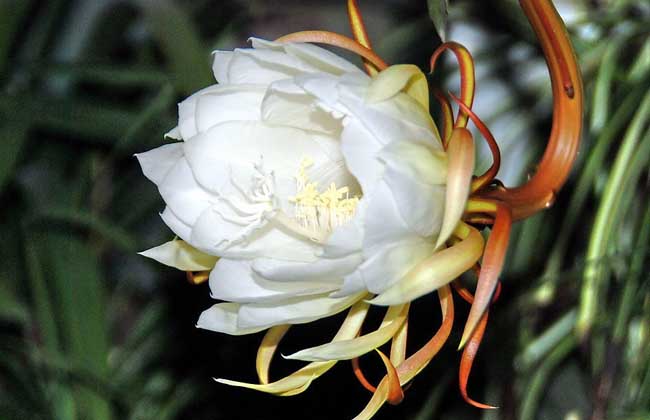
The Epiphyllum oxypetalum, also known as Qionghua, Beauty Under the Moon, etc., is an epiphytic succulent shrub plant of the genus Epiphyllum in the cactus family. It generally blooms in the hot summer, at around 20:00 to 24:00 at night, with a flowering period of three to four hours. Besides its ornamental value, it also has certain medicinal value. Let's take a look below at whether the Epiphyllum oxypetalum can be eaten!
Can the Epiphyllum oxypetalum be eaten?
The Epiphyllum oxypetalum can be eaten. Many plants today can be used as medicinal materials and can also be eaten, and the Epiphyllum oxypetalum is one of them. There are many ways to eat the Epiphyllum oxypetalum, and different ways of eating it bring different therapeutic effects. In daily life, we can drink flower tea brewed from the Epiphyllum oxypetalum more often, which can play a role in clearing heat, reducing phlegm and reducing inflammation, and can also treat diseases such as high blood lipids and high blood pressure. You can choose how to eat it according to your own needs.
The edible value of the Epiphyllum oxypetalum
The Epiphyllum oxypetalum is slightly cold in nature and sweet in taste, has the effect of softening the bowels and removing toxins, and also has a good effect in clearing heat and treating asthma. It mainly treats constipation, heat syndrome of the large intestine, pneumonia, blood streaks in phlegm, swollen sores and other symptoms. The flower has a very strong therapeutic effect and can treat palpitations, pulmonary tuberculosis, insomnia, cough due to lung heat and other symptoms, while also relieving the symptoms of high blood pressure and high fat.
How to eat the Epiphyllum oxypetalum
1. Scrambled eggs with Epiphyllum oxypetalum
[Ingredients] 6 Epiphyllum oxypetalum flowers, 4 eggs (or 8 quail eggs), 4 grams of salt, 3 grams of monosodium glutamate, 30 grams of vegetable oil.
[Method] ① Wash the Epiphyllum oxypetalum (fresh), chop it, crack the eggs (quail eggs), add salt and monosodium glutamate, and stir together with the chopped Epiphyllum oxypetalum until evenly mixed. ② Heat the wok over the fire, add vegetable oil, and when it is 60% hot, pour in the egg mixture, fry one side until golden brown, then fry the other side, and it is done when fully cooked.
[Effects] Clears the lungs, relieves cough, and reduces phlegm. Suitable for heart and stomach qi pain, vomiting blood, pulmonary tuberculosis and other symptoms.
2. Epiphyllum oxypetalum egg soup
[Ingredients] 100 grams of Epiphyllum oxypetalum, 2 eggs, an appropriate amount of oil, an appropriate amount of salt, 50 grams of shiitake mushrooms, an appropriate amount of scallions, an appropriate amount of goji berries, an appropriate amount of sesame oil
[Method] ① Wash the Epiphyllum oxypetalum, prepare the eggs, soaked shiitake mushrooms, scallions, etc. ② Cut the Epiphyllum oxypetalum and scallions into sections, and slice the shiitake mushrooms for later use. ③ Bring water to a boil, blanch the Epiphyllum oxypetalum, then rinse with cold water after blanching, and wash off the slippery components of the Epiphyllum oxypetalum. ④ Bring water to a boil, first add the eggs and shiitake mushrooms, then add the blanched Epiphyllum oxypetalum, and bring to a boil. ⑤ Add a few goji berries, and finally add the chopped scallions. ⑥ Before taking it out of the pot, drip in a few drops of sesame oil. The fragrant, tender, smooth and nutritious Epiphyllum oxypetalum egg soup is done!
2. Epiphyllum oxypetalum pork bone soup
[Ingredients] 50 grams of dried Epiphyllum oxypetalum, 250 grams of pork bones, two carrots, an appropriate amount of salt.
[Method] ① Wash the pork bones, blanch them in hot water, and remove the blood foam. ② Soak the dried Epiphyllum oxypetalum in clean water for half an hour and set aside. ③ Peel the carrots, wash them, cut them into chunks, and set aside. ④ Put all the ingredients into a stewing pot, add enough water to cover the solid ingredients, stew for 4 hours, and finally add salt to season.