Are purple sweet potatoes genetically modified food? Read this article and you will understand
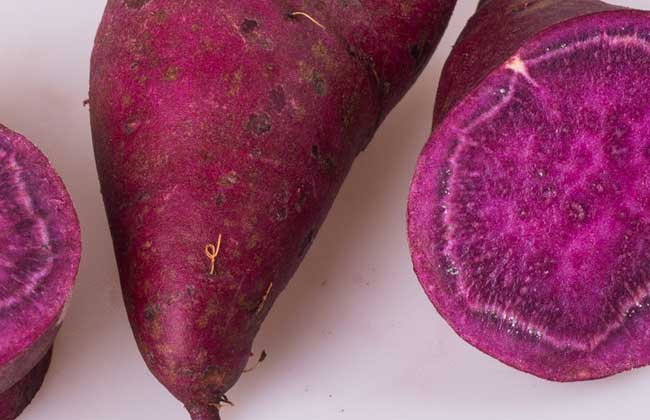
The purple sweet potato, also known as black sweet potato, shao sweet potato, etc., is a twining vine of the genus Ipomoea in the family Convolvulaceae. Its tuber flesh is purple to deep purple. In addition to containing the nutrients of ordinary sweet potatoes, it is also rich in selenium and anthocyanins. Many people assume it is a genetically modified food simply because its color is purple. Is that really the case? Let us take a look below at whether purple sweet potatoes are actually genetically modified food!
Are purple sweet potatoes genetically modified food?
Purple sweet potatoes are not genetically modified food. Genetic modification can also produce colored vegetables, but as far as the common purple sweet potatoes, tomatoes, and colored waxy corn are concerned, most are natural varieties or hybrid varieties. Purple sweet potatoes have existed in our country for a very long time. It is just that in recent years, our country successively introduced two main purple sweet potato varieties from Japan and crossed them with domestic varieties, breeding a series of purple sweet potato varieties, and none of these purple sweet potatoes are genetically modified.
Why are purple sweet potatoes purple?
The main reason purple sweet potatoes appear purple is that they contain anthocyanins. It is said that anthocyanin is a water-soluble pigment that can change color with the acidity or alkalinity of the cell sap, usually turning red when it encounters acidic substances and green when it encounters alkaline substances. Anthocyanin is a natural purple pigment additive and also a natural and powerful free radical scavenger. It is safe with no toxic side effects. Although it is more expensive than synthetic pigments, it still sells well on the international market.
How to judge genetically modified food
1. Season: Apart from greenhouse vegetables, other out-of-season foods are likely to be genetically modified.
2. Color: Anything different from the traditional is definitely genetically modified, such as colored cotton and colored peppers.
3. Size: Traditionally, tomatoes also have a certain size. For example, small tomatoes only as big as a thumb tip are definitely genetically modified. Another example is soybeans, also called yellow beans, the kind of beans used to make tofu and soy milk. Their shape should be like an animal kidney, somewhat flat. But today's soybeans are all round, much larger, like peas, and have very high yields. They are genetically modified.
4. Taste: Traditional corn is generally yellow corn or white corn with a slight sweetness, while the sweet corn popular now has a very high sweetness and is undoubtedly genetically modified.
5. Pests: Any crop that pests like to visit is not genetically modified, and any crop that pests fear, that is, one with no pests or very few pests, is genetically modified.
6. Yield: Genetically modified crops generally have yields considerably higher than traditional crops in the first few years.