What are soil-dwelling pests? A comprehensive review of common species
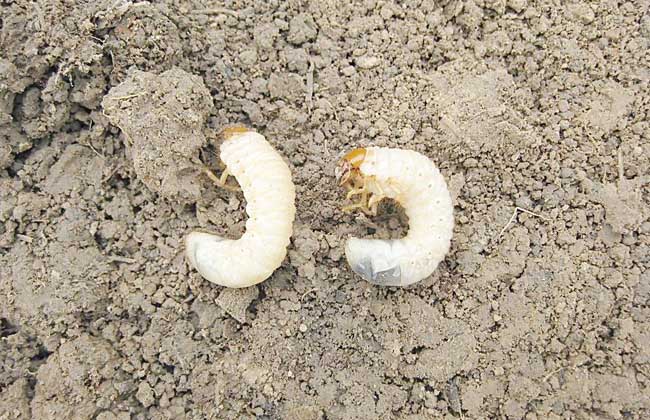
Soil-dwelling pests are omnivorous insects that live in the soil for their entire life or for a certain stage of their life, harming the underground parts of plants, seeds, seedlings, or the main stem near the soil surface. There are many species, mainly including mole crickets, white grubs, click beetles, cutworms, root maggots, root burrower bugs, root aphids, false flour beetles, crickets, rice root leaf beetles, sugarcane root longhorn beetles and termites, etc. Let's take a look below!
Mole cricket
The mole cricket, commonly known as genggou, lalagu, babagou, tugouzai, dubi, etc., has incomplete metamorphosis and takes about three years to complete one generation. It overwinters in soil burrows as adults or larger nymphs, begins activity in April and May of the following year, and harms the seedlings of corn and other crops. The nymphs gradually grow into adults and continue to harm corn. Overwintering adults begin laying eggs from mid-June. They hatch in early July; the newly hatched larvae are gregarious, disperse to cause damage at the 3rd instar, and reach the 8th to 9th instar by autumn, then burrow deep into the soil to overwinter. In the spring of the second year, the overwintering nymphs resume activity and continue to cause damage, reaching the 12th to 13th instar by autumn before entering the soil to overwinter. In the spring of the third year, they become active and cause damage.
White grub
The white grub is the larva of the scarab beetle, also known as bai tucan, hetao chong, etc. The adults are collectively called scarab beetles or scarabs, and they harm many plants and vegetables. According to their feeding habits, they can be divided into three categories: phytophagous, coprophagous and saprophagous. Among them, phytophagous white grubs have a wide range of feeding habits and harm many crops, cash crops, flowers and nursery stock. They prefer freshly sown seeds, roots, tubers and seedlings, and are a worldwide soil-dwelling pest with great damage.
Click beetle
The click beetle, also known as tiesi chong, tietiao chong, yang chong, etc., is the larva of the click beetle, harming plant roots, stem bases and feeding on organic matter; many species feed on tobacco. The larvae live in the soil for a long time, mainly harming cereals, potatoes, beans, sugar beet, cotton and various vegetables and forest tree seedlings, etc. They can bite and eat freshly sown seeds, feeding on the endosperm so that they cannot germinate. If seedlings have emerged, they can harm the fibrous roots, main roots and the underground part of the stem, causing the seedlings to wither and die. The damaged part of the main root is irregular, and they can also bore into tubers and root tubers.
Cutworm
The cutworm, also known as qiegen chong, yedao chong, commonly called di can, tu can, etc., has many species, with more than 10 species causing damage to agricultural crops. Among them, the black cutworm, yellow cutworm, large cutworm, white-edged cutworm and exclamation-mark cutworm are especially serious, all causing damage as larvae. Their hosts and targets of damage include cotton, corn, sorghum, millet, wheat, potatoes, beans, hemp, alfalfa, tobacco, sugar beet, rapeseed, cucurbits and various vegetables, etc. Seedlings of medicinal plants, forage grass and forest tree nurseries are also often damaged.
Root maggot
The root maggot is an omnivorous soil-dwelling pest, mainly harming cotton, corn, potatoes, beans, cucurbits, cruciferous vegetables, spinach, scallions, garlic, etc. It often bores into seeds or seedling stems to cause damage, or bores upward from below within the root stem, causing the entire plant to die and resulting in gaps in the rows of seedlings.
Cricket
The cricket, also known as ququ, yeming chong, zaojizi, etc., is an important agricultural pest in Northeast China, North China, the lower reaches of the Yangtze River and South China. It damages the roots, stems, leaves, fruits and seeds of various crops, with particularly serious damage to seedlings. It also harms corn, jute, tobacco, cotton, soybean and cassava, often causing gaps in seedlings and affecting the harvest.
Root burrower bug
The root burrower bug, also called the wheat root stink bug, occurs in North China, Northeast China and Inner Mongolia, etc., and causes relatively severe damage to corn, wheat and sorghum. It also harms other grass crops as well as beans, tobacco, etc. It usually gathers in groups at the roots of corn and other crops to suck sap, causing the plants to turn yellow, wilt and become stunted at the seedling stage, and in severe cases can cause the entire plant to wither and die during the grain-filling stage.
Root aphid
There are many species of root aphids. The cotton root aphid mainly harms cotton, kidney bean, broad bean, sweet pea, potato, tobacco, tomato, cabbage, turnip, sugar beet, wheat, oat, rye, millet, etc. The sugar beet root aphid concentrates as adult and nymph aphids on the roots to cause damage, sucking sap, causing the roots to shrink, turn black or rot, and the plants to have yellow leaves and withered tops. The bean root aphid mainly harms the roots of kidney bean, pea, broad bean, scarlet runner bean, sugar beet, potato, tomato, cabbage, turnip, shepherd's purse, carrot, wheat, oat, rye, millet, gladiolus, cotton and other crops.
False flour beetle
The false flour beetle, also known as the false ground beetle, pseudo ground beetle, etc., with its larva also called shaqian, is an agricultural pest. The adults mainly harm wheat, cotton, hemp, beans, sorghum, millet, peanut, alfalfa and fruit tree seedlings, etc. The larvae harm freshly sown seeds and crop seedlings about to emerge, and can also bite through the root stem of seedlings, causing gaps in the rows of seedlings.
Termite
Termites have a very broad diet, and their nutrients come from plants, mainly feeding on plant cellulose and its products. Generally speaking, termites are not yet an important pest to China's crops, but they are still relatively serious in harming the cash crop sugarcane. At the same time, some termites harm trees and damage houses and buildings, river embankments and dams.
Rice root leaf beetle
The rice root leaf beetle, also known as the rice root golden flower beetle, has larvae that concentrate at the roots of rice and bite and eat the fibrous roots. The affected rice plants grow slowly, the roots turn black, the rice leaves turn yellow, and the effective tillers and grains per panicle are significantly reduced. In severe cases, the entire plant withers and dies. Affected rice plants can be pulled up with a light tug, and at the same time large numbers of larvae and pupae can be found attached to the rice roots. Besides harming rice, it can also feed on various aquatic plants such as barnyard grass, youcao, lotus, long-leaved water plantain, dwarf arrowhead, duck tongue grass and pondweed, among which pondweed is an important wild host for it.
Sugarcane root longhorn beetle
The sugarcane root longhorn beetle, also known as the sugarcane root sawyer beetle, sugarcane root longhorn, etc., is widely distributed in major sugarcane-producing areas such as Guangxi, Guangdong, Hainan and Yunnan, etc. It mainly uses its larvae to bite and eat the root crown and main roots of host plants underground, causing the entire plant to die.
Walnut root weevil
The walnut root weevil, also known as the walnut transverse groove weevil, walnut yellow-spotted weevil, etc., is distributed in walnut-producing areas such as Henan, Shaanxi, Sichuan and Yunnan, etc. Its larvae harm the cortex at the roots of walnut trees, and the damage is more severe in low-lying gullies at the bottom of slopes and places with fertile soil beside villages, as well as on vigorously growing walnut trees.