What are beneficial insects? Introduction to common beneficial insect species in agriculture
Insects are the largest group of arthropods. Humans have identified more than 1 million insect species, the most common of which include locusts, butterflies, bees, dragonflies, flies, grasshoppers, cockroaches and others. Most insects can be made into specimens and valuable medicinal materials, and they are a good resource that humans can use. Let us take a look below at what beneficial insects there are!
Bees
Bees are one of the insect groups beneficial to humans, because bees work nonstop to obtain food, collecting nectar during the day and making honey at night, while also completing pollination tasks for fruit trees. They are an important medium for pollinating crops, pollinating crops, fruit trees, vegetables, forage grass, oil tea crops and medicinal plants, and can increase yields several times up to twenty times. According to reports from the United States, the effect of bees pollinating onions in increasing yield is very obvious. At the same time, honey is a commonly used nourishing food for people and has the reputation of “milk for the elderly”. Royal jelly is even more of a premium nutritional product; it can not only strengthen the body and prolong life, but can also treat chronic diseases such as neurasthenia and anemia.
Dragonflies
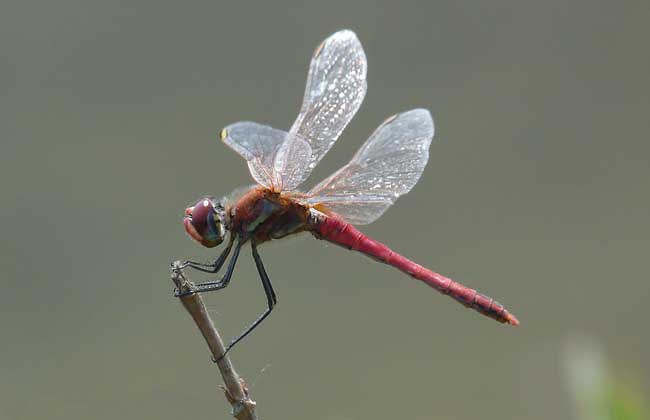
The nymphs of dragonflies can prey on mosquito larvae (the larvae of mosquitoes) in water, while adults generally fly over ponds or riversides to prey on flying insects. In addition to being able to prey in large numbers on insects harmful to humans such as mosquitoes and flies, they are among the most common beneficial insects.
Mantises
The mantis is a little overlord of the insect kingdom. It has a slender body and an elegant appearance, but its temperament is very fierce. In particular, its pair of “broadsword”-like front legs make other insects flinch. It usually feeds by catching other kinds of insects, with butterflies, cicadas and locusts as its main food, and it can eliminate most harmful insects.
Ladybugs
The lives of ladybug larvae are monotonous and dull. Every day they roam among flowers and plants, frantically preying on aphids. Adults will prey on any soft, tender-bodied insects, but their favorite food is still aphids. People often collect swarms of ladybugs and sell them to farmers and horticulturists to control pests such as aphids, scale insects and mites.
Silkworms
Silkworms are one of the insects that have contributed to humans for the longest time and to the greatest extent. They are the main raw material source of silk and occupy an important position in human economic life and cultural history. It is said that more than 3,000 years ago, Leizu, the wife of the Yellow Emperor, began to “raise silkworms to obtain silk.” The larvae and pupae of the domesticated silkworm can be eaten and also have the effect of dietary therapy.
Lacewings
Lacewings are predatory insects belonging to the order Neuroptera in the class Insecta. They can effectively prey in large numbers on many important agricultural pests, such as Chrysopa pallens and Chrysopa formosa. On average, they can still eat more than 100 aphids a day. Therefore, people have widely carried out work using lacewings artificially to eliminate pests.
Dung beetles
Dung beetles feed on animal dung. Within 24 hours, the food they eat can exceed their own body weight. They can accelerate the process of converting dung into substances that other organisms can use, and have the title of “nature's scavenger.” They are beneficial to humans. Australia's original dung beetle species only liked to eat small-particle dung such as kangaroo droppings, and did not like the dung of introduced cattle and sheep. From 1965-1985, the Commonwealth Scientific and Industrial Research Organisation of Australia began the Australian Dung Beetle Project and successfully introduced 23 species of dung beetles from around the world. As a result, it improved the problem of dung accumulation on Australian pastures and at the same time reduced harmful bush flies by about 90%.