What are the harmful insects? A list of common agricultural pest species
Insects are the most numerous animal group on Earth, accounting for more than 50% of all species. Humans have identified over 1 million species of insects, but many species remain to be discovered, and they are found in almost every corner of the world. However, many insects are harmful to humans. Let us take a look below at what common harmful insects there are!
Locusts
Locusts are an important component of agricultural, forestry and pastoral ecosystems. Quite a few harmful locust species can cause varying degrees of damage to agriculture, forestry and animal husbandry. There are already more than 10,000 species of locusts worldwide, of which about 300 can cause harm to agriculture, forestry and animal husbandry. Locusts can occur worldwide except in Antarctica and in Eurasia north of 55°N. The area with year-round locust occurrence worldwide reaches 46.8 million sq km, and 1/8 of the global population is frequently plagued by locust disasters.
Termites
Termites belong to the phylum Arthropoda, class Insecta, order Isoptera. They live social lives similar to ants. In taxonomic status, their social system belongs to the more primitive hemimetabolous insects, while ants belong to the more advanced holometabolous insects. They are a highly destructive insect, boring into and feeding on artificial fibers, plastics, wires, cables and even bricks, stones and metals.
Mosquitoes
Mosquitoes belong to the class Insecta, order Diptera, family Culicidae. Usually the females feed on blood, while the males suck plant juices. They are one of the four pests, and their main harm is spreading diseases. According to research, mosquitoes transmit as many as more than 80 kinds of diseases. On Earth, no other insect poses a greater harm to humans than mosquitoes.
Flies
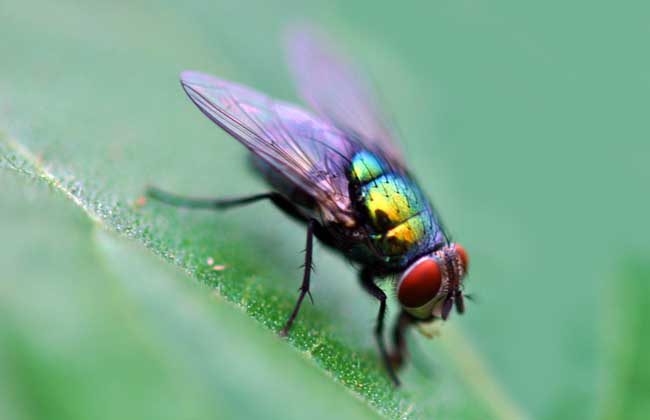
Flies harm humans by carrying and spreading various pathogenic microorganisms. They like to crawl and feed on the feces and urine, sputum, vomit and corpses of humans or livestock, and can very easily pick up large amounts of pathogens, such as Vibrio cholerae, Salmonella typhi, Shigella dysenteriae, hepatitis bacteria, poliovirus, hepatitis A bacteria, hepatitis B bacteria and roundworm eggs. They also often land on human bodies, food and tableware, and have the habit of rubbing their feet and brushing their bodies when they land, so the pathogens attached to them quickly contaminate food and tableware.
Mole crickets
Mole crickets are polyphagous pests that like to feed on various vegetables, and are especially serious pests of vegetable seedbeds and transplanted vegetable seedlings. Adults and nymphs bite and feed on newly sown seeds and young shoots in the soil, or bite through the roots and stems of seedlings, causing the seedlings to wither and die, with the damaged roots appearing tangled like hemp. Mole crickets move underground and bore the topsoil into many tunnels, causing the seedling roots to be exposed to air and separated from the soil, resulting in seedling death from dehydration and drying, gaps in the rows, and in severe cases even destruction of the seed, greatly reducing vegetable yields.
Horse flies
Horse flies are extremely troublesome to livestock. According to statistics, dairy cows can experience a decline in milk production of 11%-15% due to horse fly bites, and in severe cases up to 19%-25%. Besides transmitting equine infectious anemia, they can also transmit many other important human and livestock diseases, such as surra, which is prevalent among cattle and dogs in India, Thailand, Malaysia and Taiwan, China. This disease also occurred in camels in northwest China in the 1950s, causing great losses. In addition, horse flies can transmit the well-known anthrax, as well as the more widely spread tularemia, filariasis, equine lumbar paralysis, dourine, sleeping sickness, nagana, suara, coital disease, encephalitis, vesicular stomatitis and so on.
Cockroaches
Cockroaches, also known as Xiaoqiang, Huangponiang, Touyoupo, Xiebanchong, Youzaopo and so on, can carry the eggs of many worms such as roundworms, Ancylostoma duodenale, beef tapeworm, pinworms and whipworms. They can also serve as intermediate hosts for various nematodes such as Moniliformis, Hymenolepis nana and Gongylonema, and can carry various protozoa, 4 of which are pathogenic to humans or animals, such as Entamoeba histolytica and Giardia intestinalis.